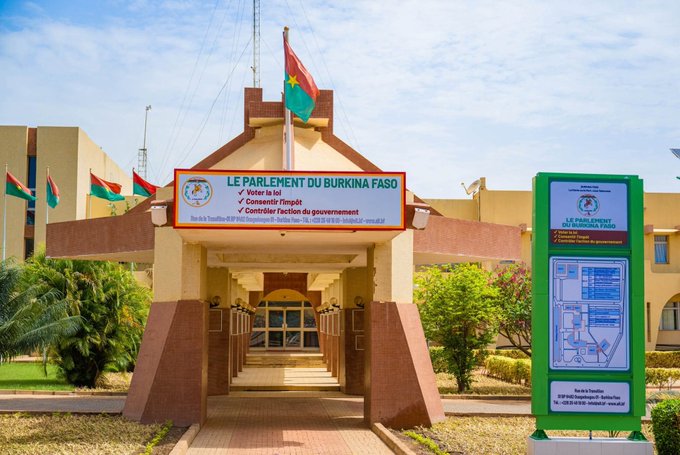
The legislative assembly of Burkina Faso is set to deliberate a pivotal bill on religious freedom this Saturday, marking a critical juncture in the country’s evolving legal landscape. The draft law, which cleared the Council of Ministers on March 19, 2026, now awaits scrutiny from the National People’s Assembly, where lawmakers will assess its implications for the nation’s secular foundations and social harmony.
a law born from pressing security challenges
Burkina Faso, long celebrated for its tradition of religious tolerance and peaceful coexistence, finds itself at a crossroads. The proposed legislation arrives at a time when the country grapples with escalating security threats, prompting authorities to seek stronger legal frameworks to address emerging risks linked to extremism and radicalization.
key objectives behind the draft law
Proponents of the bill argue that its passage is overdue for several compelling reasons:
- Combating radicalization: The government contends that clearer legal provisions are essential to curb hate speech, recruitment into extremist groups, and the exploitation of religion for destabilizing purposes.
- Financial transparency: The law seeks to impose stricter oversight on the funding of religious organizations, requiring disclosure of financial sources to prevent illicit or foreign influence.
- Regulating worship spaces: To prevent the proliferation of unregulated prayer sites, the legislation introduces standardized criteria for establishing and operating places of worship.
- Upholding state neutrality: The bill reaffirms the principle that public institutions must remain impartial, ensuring no religious group—majority or minority—receives preferential treatment or faces exclusion.
concerns over overreach and social fragmentation
Despite the government’s assurances, the draft law has sparked debate among civil society groups, religious leaders, and legal experts. Critics highlight several areas of concern that demand careful consideration during Saturday’s deliberations:
- State overreach: Opponents warn that overly broad regulatory powers could enable political interference in religious affairs, potentially stifling free expression among faith leaders and their followers.
- The fragility of national cohesion: With tensions already simmering, any perceived encroachment on religious freedoms risks exacerbating divisions within society. Analysts emphasize the need for an inclusive legislative process to safeguard unity.
- Balancing security and liberties: The central challenge lies in drafting a law that effectively shields the nation from extremist threats while preserving the fundamental right to religious belief and practice for all Burkinabè citizens.
The outcome of Saturday’s parliamentary session will hinge on lawmakers’ ability to strike this delicate balance. Every clause, amendment, and vote will be closely watched by citizens, religious communities, and political observers alike, as the future of Burkina Faso’s secular fabric hangs in the balance.