Benin’s peaceful leadership transition sets african democratic example
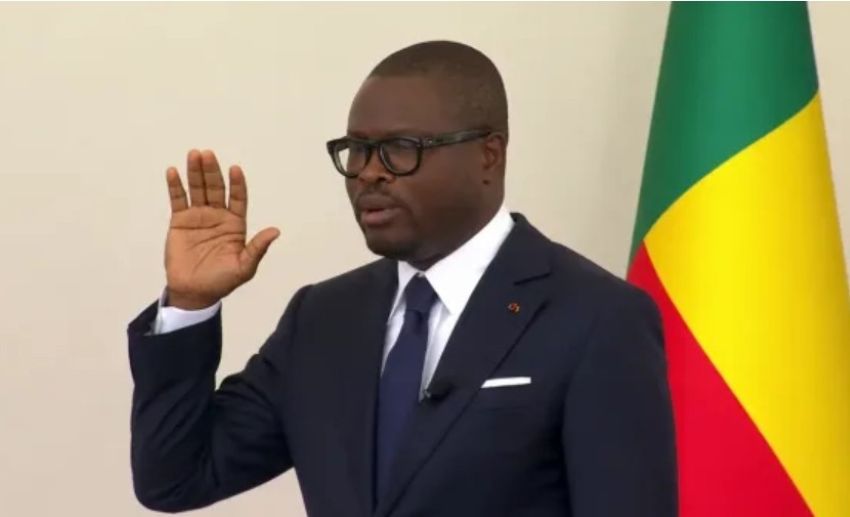
Cotonou, 24 May 2026 — Benin has delivered one of Africa’s most compelling political moments this year. In a scene of unprecedented solemnity, Romuald Wadagni was sworn in as the nation’s new president, succeeding Patrice Talon after two constitutionally mandated terms. The transition unfolded without incident, reinforcing a rare democratic tradition on the continent.
The inauguration ceremony transcended national boundaries, drawing diplomats, regional leaders, and international observers who recognized the event as a powerful symbol during a period of political turbulence across West Africa. In an era marked by constitutional manipulations and military interventions in neighboring states, Benin’s orderly succession stood out as a beacon of institutional stability.
a historic moment for african democracy
President Talon’s voluntary departure after completing his second term sent a clear message about constitutional adherence. While other African leaders have altered term limits to extend their rule, Benin’s outgoing president demonstrated an unwavering commitment to democratic norms. His calm presence at the inauguration—surrounded by former Beninese heads of state—further underscored the country’s democratic maturity.
The peaceful transition has been widely celebrated across the region, with citizens and political observers hailing it as a “democratic lesson” in an era of political upheaval. The images of Talon handing over power with dignity have resonated deeply, offering a stark contrast to the instability gripping much of West Africa.
new president inherits economic progress and social challenges
At 49, Romuald Wadagni brings a technocratic background to the presidency, having previously served as Finance Minister and architect of several key economic reforms under Talon’s administration. His inauguration speech emphasized continuity in structural reforms while promising accelerated policies to improve living standards for Beninese citizens.
Wadagni’s profile represents a new generation of African leaders focused on economic modernization and administrative efficiency. However, his presidency faces significant tests, including youth unemployment, rising living costs, infrastructure development, and reducing inequality. Balancing institutional stability with his own reform agenda will require careful navigation.
a continental message of democratic resilience
The inauguration’s most powerful symbol may not have been the swearing-in itself, but rather President Talon’s dignified presence throughout the ceremony. In a continent where power transitions often spark crises, this image sent a profound message: institutions can prevail over personalities, and stability can be built on constitutional foundations rather than personal rule.
Benin’s successful transition reaffirms its position as one of West Africa’s most stable democracies. In an era when African nations are searching for new democratic benchmarks, this moment could leave a lasting imprint on the continent’s political imagination.