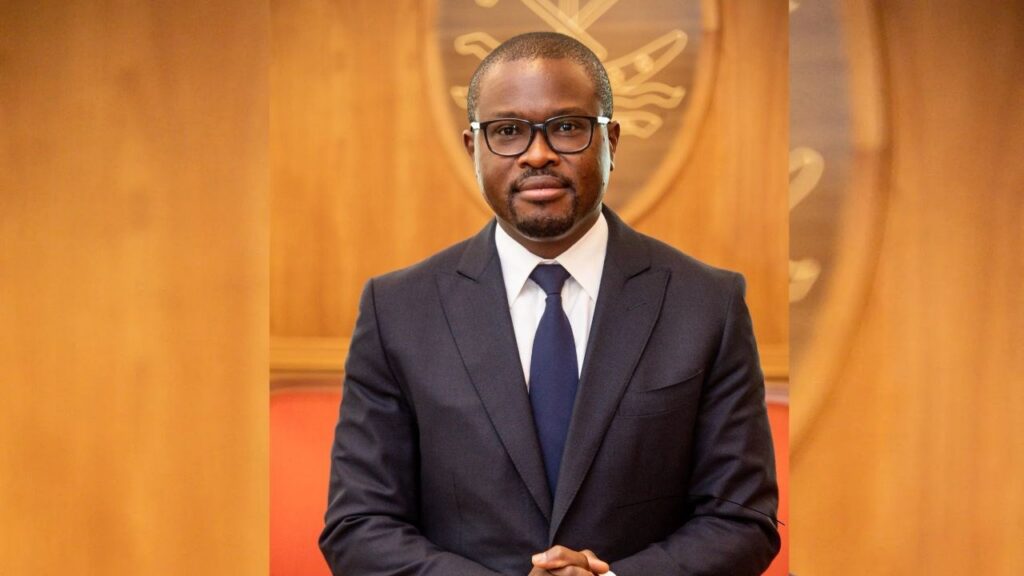

Just days after taking office, Benin’s new President Romuald Wadagni, who succeeds Patrice Talon, presided over his first-ever Council of Ministers on May 28, 2026, officially launching the 2026–2033 seven-year term. The inaugural meeting carried deep symbolic weight, as the head of state laid out the guiding principles, values, and ambitions that will shape his leadership over the next seven years.
Two key priorities emerged as the cornerstones of this administration. The first, and perhaps the most transformative, is the eradication of extreme poverty and the reduction of stark development disparities between municipalities. Wadagni emphasized the need for a more ambitious regional approach to development, ensuring that remote and underserved areas gradually close the gap in access to essential services and economic opportunities. The second priority is national security—an issue of growing concern amid regional instability—with the President instructing his cabinet to prioritize the defense and protection of the nation’s borders.
The President also introduced a new governance rhythm to enhance efficiency and accountability. The Council of Ministers will now convene monthly, on the first Wednesday, while the Interministerial Committee will meet twice a month, on the first and third Mondays. In addition, thematic Cabinet meetings will be held between these sessions to ensure close monitoring of sector-specific policies. This structured approach reflects a commitment to disciplined, results-driven governance.
Closing the session, Romuald Wadagni urged his government to ‘roll up its sleeves and get to work,’ emphasizing that the quality of their efforts will directly determine improvements in the daily lives of citizens. This first Council of Ministers set a tone of sobriety and purpose, outlining a vision rooted in tangible outcomes, equitable growth, and national unity—challenges the Benin Republic faces as it embarks on this new chapter.