Just a week into his presidential mandate, Romuald Wadagni is already carving out his vision for Bénin’s executive branch. The successor to Patrice Talon, under whom he served as Minister of Economy and Finance for two consecutive terms, faces a delicate balancing act: upholding the economic legacy of the past decade while stamping his own political identity. His early post-inauguration decisions reflect this careful blend of fidelity to past achievements and measured innovation.
Preserving a decade of economic progress
Wadagni has made it clear that he stands by the fiscal policies and structural reforms he championed during his eight-year tenure at the Finance Ministry. The recovery of public finances, the strengthening of Bénin’s sovereign credit rating, and the successful execution of major infrastructure projects are framed as cornerstones that must be safeguarded. This commitment to continuity has resonated with international donors, investors, and credit rating agencies, who have consistently praised Cotonou’s macroeconomic trajectory under President Talon’s leadership.
The new president’s explicit alignment with this model grants him immediate credibility among technical and financial partners, especially as West Africa grapples with political and security turbulence. As the architect of Bénin’s most recent eurobond issuances and a vocal advocate for fiscal discipline, the former finance minister brings rare legitimacy to the international stage.
Signals of a distinct leadership style
Yet Wadagni is not content with simply carrying forward his predecessor’s agenda. His early policy moves suggest a shift in tone on political and social fronts, where the previous administration left visible fissures. The new head of state has signaled a commitment to broadening his support base and easing tensions with an opposition that had long criticized the institutional constraints imposed during Talon’s presidency.
His public appearances so far contrast sharply with Talon’s more reserved demeanor. Wadagni’s approach emphasizes consultation, prioritizes engagement with intermediary bodies, and highlights an inclusive governance model. This strategic positioning aims to reinforce the narrative of an open presidency, even as it navigates the institutional framework shaped by the 2019 constitutional reforms.
Navigating political and regional challenges
The realities of governance, however, will soon test his resolve. Wadagni must contend with a parliamentary majority rooted in Talon’s political bloc, an administration shaped by a decade of centralized decision-making, and a public eager for signs of meaningful change. His ability to assemble a government loyal to his vision—without disrupting the internal balance of the presidential camp—will be pivotal.
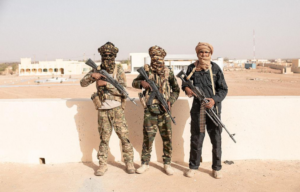
On the regional front, the new president inherits a pressing security dossier. The threat of jihadist activity in northern Bénin, which borders Burkina Faso and Niger, continues to demand significant military resources and demands a nuanced diplomatic approach with transitional governments in the Sahel. His upcoming decisions on defense and regional cooperation will serve as a critical indicator of his political autonomy as Talon’s successor.
The first 100 days in office will be a litmus test. From appointing a government to setting the budgetary direction for the coming fiscal year and managing relations with the opposition, Wadagni must prove that his embrace of continuity does not preclude a genuine political shift. His early moves suggest he is attempting this delicate equilibrium, blending innovation with steadiness in his initial policy signals.