Gabon’s government has formally initiated negotiations with the European Union to finalise a new Sustainable Fisheries Partnership Agreement (SFPA), following the endorsement of a national task force and negotiation timeline by the Council of Ministers.
The move comes as Libreville seeks to address longstanding imbalances in its fisheries cooperation with Brussels, while safeguarding the country’s marine sovereignty and promoting sustainable exploitation of its fish stocks.
What’s changing in Gabon’s fisheries partnership with the EU
The decision marks a strategic shift after Gabon terminated its previous SFPA in June 2025—an agreement that had allowed up to 33 European vessels to fish tuna in Gabonese waters under a €1.6 million annual contribution from the EU. The old protocol expired on June 28, 2026, leaving both sides at a crossroads.
Under the renewed talks, Gabon aims to secure a fairer framework that prioritises local economic benefits and strict enforcement against illegal, unreported, and unregulated (IUU) fishing. The government has also outlined a clear negotiation roadmap, including multiple discussion rounds and coordinated input from national stakeholders.
Government priorities: sovereignty, sustainability and economic returns
The new agreement is expected to strengthen Gabon’s control over its maritime resources while fostering a thriving blue economy. Key objectives include:
- Enhanced resource governance: Ensuring Gabonese authorities retain full oversight of fishing activities within its exclusive economic zone.
- Local value addition: Prioritising employment and revenue generation for Gabonese businesses and communities involved in the fisheries sector.
- IUU fishing crackdown: Strengthening monitoring and penalties to combat illegal fishing and protect marine biodiversity.
- Fair financial terms: Negotiating compensation that reflects the true value of Gabon’s marine resources, moving beyond the previous one-sided arrangement.
EU signals openness to revised partnership
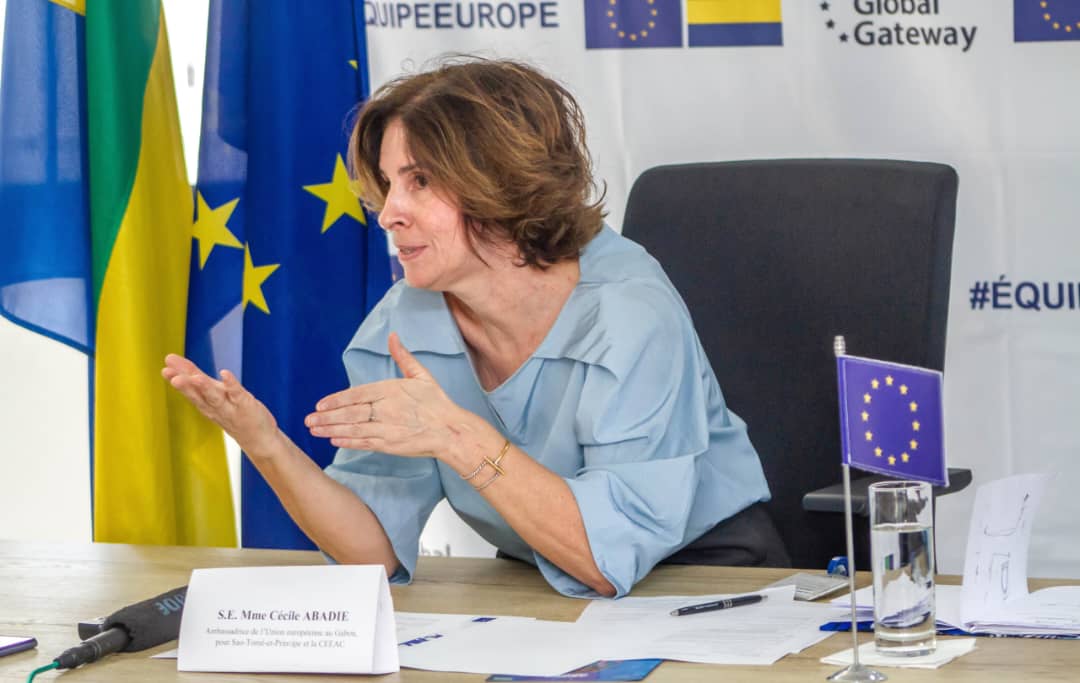
European officials have expressed willingness to engage in a ‘next-generation’ agreement that addresses Gabon’s concerns. In June 2026, the EU reiterated its readiness to discuss terms that balance mutual interests while adhering to international sustainability standards.
The negotiations come at a pivotal moment, as both sides seek to rebuild trust and establish a framework that supports long-term ecological and economic stability in the Gulf of Guinea.
Next steps: a phased approach to securing a fair deal
The Gabonese delegation, led by Minister Aimé Martial Massamba, is set to initiate formal talks with EU representatives in the coming weeks. The process will unfold in structured phases:
- Initial technical consultations: Aligning on data, legal frameworks, and scientific assessments of fish stocks.
- Intermediate bargaining rounds: Addressing financial contributions, vessel quotas, and environmental safeguards.
- Final ratification: Securing parliamentary approval in both Gabon and the EU to formalise the new partnership.
The government has emphasised that transparency and inclusivity will guide every stage of the negotiation, with input sought from local fishermen, industry experts, and civil society groups.