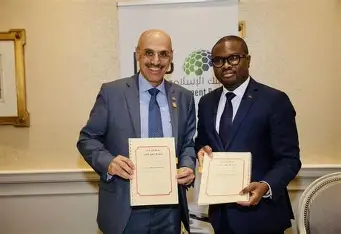
The Republic of Benin has taken a decisive step toward strengthening its food sovereignty initiatives. The Islamic Development Bank (IDB) has approved a financial package amounting to 12.57 billion West African CFA francs, earmarked for modernizing the nation’s agricultural sector. This substantial investment prioritizes soil fertility restoration, a pressing concern exacerbated by the country’s vulnerability to climate-induced disruptions.
Strategic financial diversification in agricultural development
Beyond the financial scale of the transaction, the selection of the IDB reflects a deliberate shift in Benin’s funding strategy. By engaging with the IDB, Cotonou reduces its historical reliance on Western-dominated financial institutions and conventional bond markets, where interest rates remain exorbitantly high. The adoption of Islamic financing mechanisms, rooted in risk-sharing and tangible asset-backed structures, offers a sustainable solution for long-term infrastructure projects, particularly in agriculture.
Economic rationale behind soil resilience investments
From an economic standpoint, this initiative underscores a pragmatic approach to safeguarding national growth. Enhancing land resilience is no longer merely an environmental consideration but a strategic economic imperative. By fortifying agricultural systems against prolonged droughts and erratic rainfall, Benin mitigates the need for costly emergency food imports. This proactive measure not only stabilizes foreign exchange reserves but also reinforces the country’s trade balance and reinforces its economic independence.