The heart of Mali’s crisis: blaze at the gates of Bamako
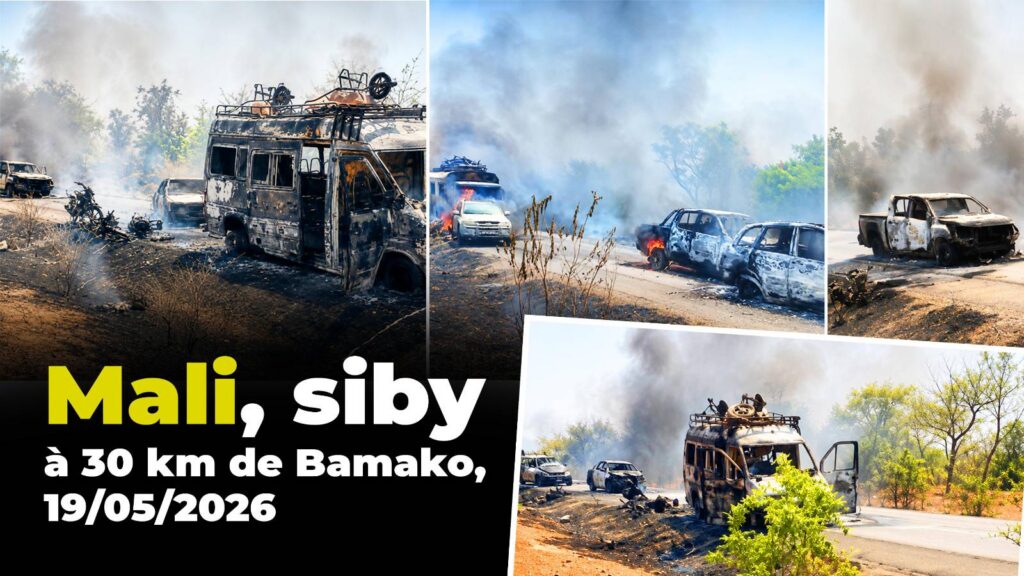
The quiet hills of Siby, a mere 30 kilometres from Bamako’s bustling streets, have become the latest battleground in a war that refuses to stay at the country’s edges. On the afternoon of 19 May 2026, convoys of trucks and Hilux pickups moving goods toward Guinea were engulfed in flames. Witnesses described armed riders appearing without warning, blocking the national highway and torching vehicles with terrifying efficiency. The black smoke plumes rose high enough to darken the skyline of the capital, a stark reminder that no place in Mali remains untouchable.
A calculated campaign to strangle the capital
The assault on Siby is not an isolated raid but the latest strike in a deliberate blockade orchestrated by the Group for the Support of Islam and Muslims (JNIM). Insurgents have progressively seized control of key roads feeding Bamako—the routes to Ségou, Senegal, and the southern corridors toward Guinea and Côte d’Ivoire. Travel is no longer safe; drivers face mobile checkpoints, extortion, and instant destruction of cargo for those who defy the group’s diktat. The goal is clear: cut off the lifelines of the capital, starve the economy, and push the population toward despair. Inside Bamako’s markets, the cost of essential goods has spiralled, feeding frustration that the transitional government struggles to calm.
Empty promises and exposed vulnerabilities
The junta’s official narrative of a military resurgence clashes painfully with reality. After foreign forces withdrew, Bamako pinned its hopes on a partnership with the Russian paramilitary unit Africa Corps—formerly known as Wagner. Yet the mercenary force, bankrolled by Malian taxpayers, has shown little ability to anticipate or counter large-scale attacks so close to the presidential palace in Koulouba. Their approach, focused on punitive raids and protecting mining sites, offers no tactical solution to an insurgency waging asymmetric warfare. Joint patrols by Malian troops and Russian fighters lack depth, leaving critical routes exposed. Reliance on digital propaganda cannot mask the operational failure on the ground.
The attack on Siby serves as a final warning: denial is no longer a policy. By allowing JNIM to tighten its stranglehold around Bamako and strike within sight of the capital, the junta and its Russian allies have exposed their strategic shortcomings. For ordinary Malians, the dream of restored sovereignty and absolute security is fading in the smoke of burning trucks. If Bamako is to avoid total suffocation, a fundamental reassessment of military strategy and alliances is now a matter of national survival.