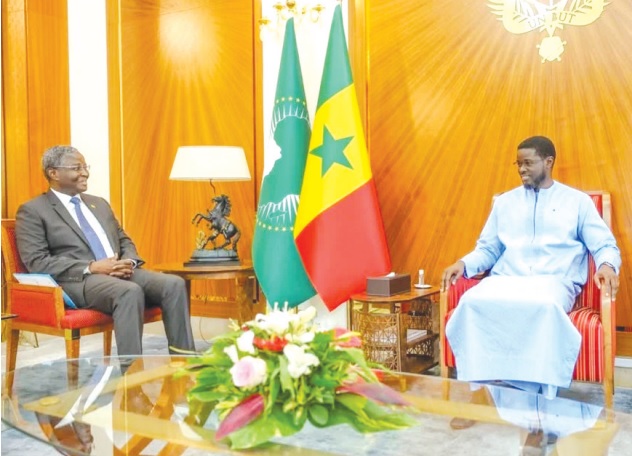
Dakar hosts critical UEMOA review as Senegal seeks to regain momentum
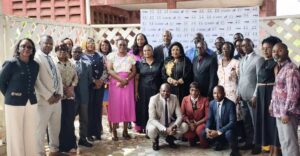
The political phase of the 11th annual review of community reforms within the West African Economic and Monetary Union (UEMOA) concluded yesterday in Dakar, following a one-day postponement. This high-level gathering brought together key stakeholders including Senegalese Finance and Budget Minister Cheikh Diba and UEMOA Commission President Abdoulaye Diop.
Senegal’s performance across 145 evaluated reforms has slipped by 2.14 points compared to 2024, with a provisional implementation rate of 76.45%—down from 78.59% a year earlier. The decline stems primarily from setbacks in economic governance and convergence (-6.3 points) as well as structural reforms, compounded by delays in submitting critical financial documentation.
Key challenges identified
- The failure to transmit Senegal’s 2024 financial reporting through the UEMOA’s single window system
- Persistent weaknesses in cultural industries, tourism, handicrafts, quality standards, and business climate
- Governance gaps in economic convergence mechanisms
Addressing these gaps has become urgent. The minister confirmed that findings will be presented to Prime Minister Ousmane Sonko during a dedicated audience with President Diop, signaling the government’s commitment to accelerating compliance with regional standards.
Progress in select sectors
Not all news was negative. Significant advances were recorded in:
- Agriculture, livestock, fishing, and environment (+12 points)
- Human and social development (+6.5 points)
- Energy sector modernization (+3 points)
- Legal, accounting, and statistical framework improvements (+5.5 points)
These sectoral gains reflect targeted efforts that authorities aim to consolidate before the next evaluation cycle.
Regional context and next steps
Established by an additional act of UEMOA Heads of State in 2013, this annual review assesses collective progress toward treaty objectives while identifying implementation gaps. Since 2014, Dakar has hosted ten such sessions, with the current edition marking the second under the biennial political configuration adopted in July 2023.
« This mechanism ensures transparency and accountability in regional integration efforts. The results presented today will guide our corrective actions over the coming months », stated President Diop in his closing remarks.
The authorities have pledged to prioritize reforms in lagging sectors while reinforcing progress in high-performing areas, ensuring Senegal remains aligned with UEMOA convergence criteria ahead of future reviews.