The Malian government and the World Bank are advancing a fresh phase of collaboration aimed at strengthening the education system, which faces mounting pressures from insecurity, mass displacements, and resource constraints.
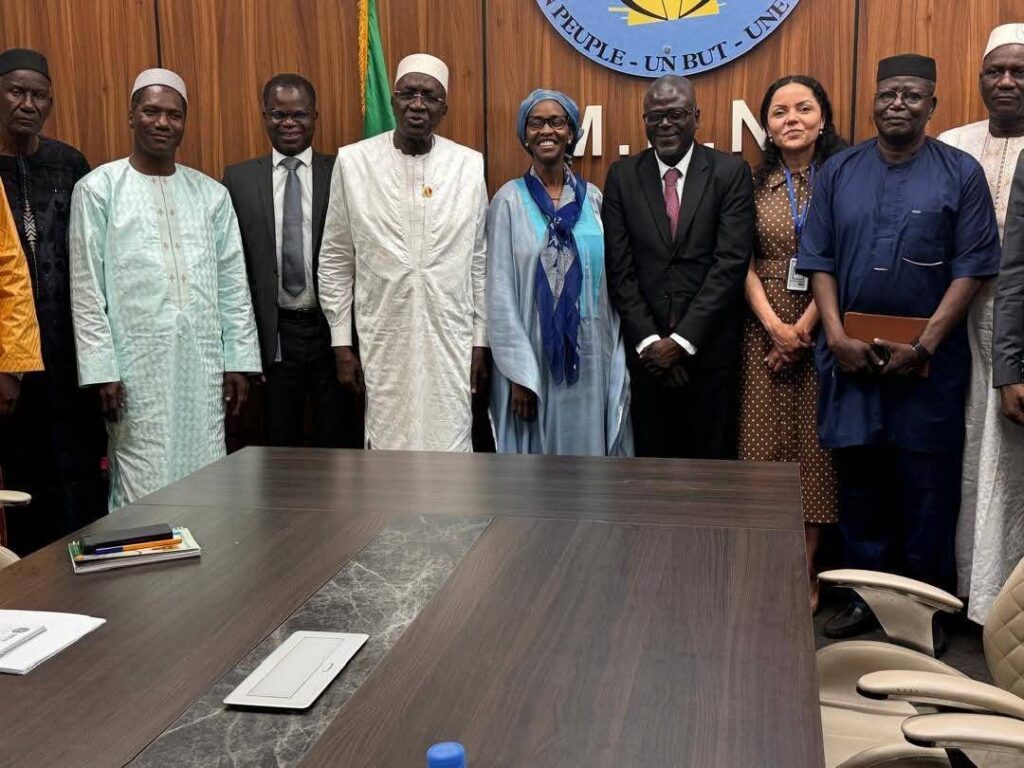
On June 1, the Minister of National Education, Amadou Sy Savané, welcomed a World Bank delegation led by Awa Cissé Wagué in Bamako. Discussions centered on upcoming initiatives designed to enhance human capital and elevate educational outcomes across the country.
Malian officials highlight that this renewed partnership aligns with a broader development strategy backed by the financial institution, which also encompasses energy access and agricultural modernization. The initiative builds on existing programs already funded by the World Bank.
In March 2026, the institution approved a $150 million grant through the International Development Association (IDA) to sustain critical education and health services. The program is expected to directly benefit over one million students by facilitating school enrollment, ensuring national exam administration, and upgrading learning environments.
Mali’s education sector remains severely strained by security challenges affecting multiple regions. Widespread school closures, population displacements, and limited access to schooling continue to undermine academic performance and opportunities.
The upcoming phase will focus on finalizing project details, financing mechanisms, and implementation timelines. For Bamako, this collaboration represents a pivotal opportunity to revitalize an education system vital to the nation’s long-term growth.