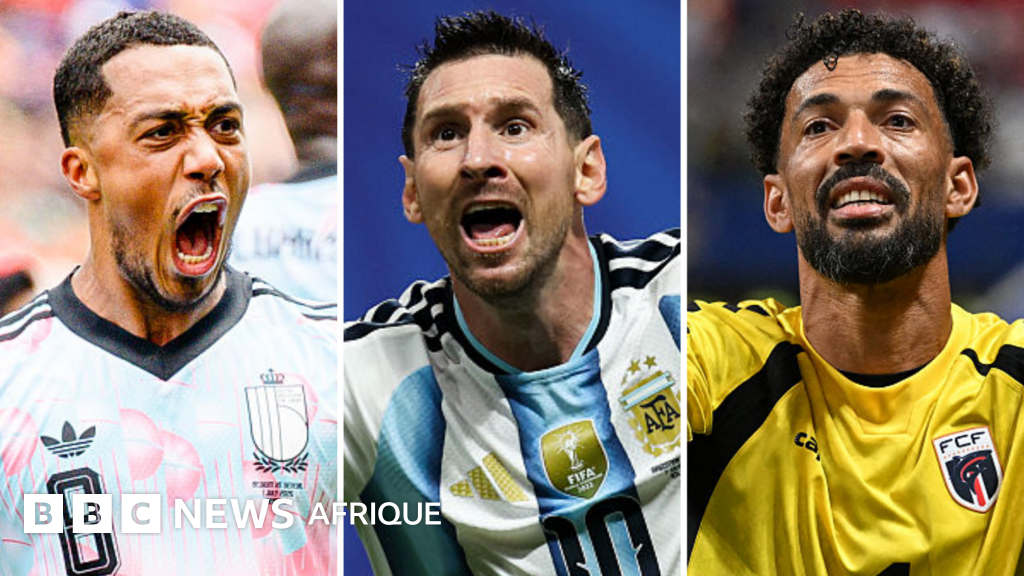
The 2026 FIFA World Cup has delivered world-class excitement with breathtaking late goals, dramatic comebacks, and shocking upsets—raising the question: could this be the greatest World Cup ever?
With the quarterfinals approaching and eight more matches to go, the tournament co-hosted by Canada, Mexico, and the United States has already set new standards. This is the first time 48 nations have competed in the world’s most prestigious football event—and the action on the pitch suggests it may surpass every previous edition.
record-breaking goals and relentless drama
Across 104 matches played so far, 280 goals have been scored—an average of 2.92 per game. That’s the highest scoring rate since Mexico 1970, when 95 goals were recorded in 32 games (2.97 goals per match). For context, the 2022 World Cup in Qatar averaged 2.69 goals per match, while the 2018 edition in Russia saw 2.64.
The most lopsided result was Germany’s 7–1 win over Curaçao, but there have also been six other matches with six goals and 13 with five goals. Offensive play has dominated: 74.6% of goals were scored in open play—the highest proportion in World Cup history—while just 5% came from penalties, the lowest rate ever recorded.
late drama and historic comebacks
The suspense has been unrelenting. In the knockout stages, eight matches were decided by a goal scored after the 85th minute. Argentina needed extra time to overcome Cape Verde—a true underdog story—while four others went to penalties.
Enzo Fernández’s 90th-minute winner against Egypt was the 10th goal scored in the 90th minute or later in the tournament, a World Cup record. Just days ago, Belgium and Argentina both erased two-goal deficits in the same tournament for the first time since 1970. England’s victory came despite a red card and 40 minutes of numerical disadvantage in the packed Azteca Stadium.
Eight goalless draws have been recorded—another record—but far from signaling weakness, they reflect a growing parity across teams.
fans, stars, and unforgettable atmosphere
Concerns over high ticket prices and travel costs threatened to leave stadiums half-empty. Yet the opposite happened. FIFA reports a 99.7% attendance rate—over 4.4 million spectators in the group stage alone, rising to 6.2 million after the Round of 16. Average attendance stands at over 65,000 per match, second only to the 1994 U.S. World Cup.
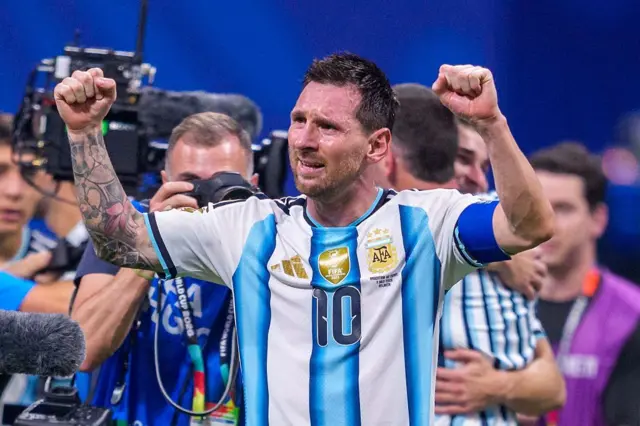
The biggest names are delivering too. Lionel Messi leads the scoring with eight goals, closely followed by Kylian Mbappé and Erling Haaland with seven each, and Harry Kane with six. Never before have three players scored seven or more goals in a single World Cup. The race for the Golden Boot is tighter than ever.
Small nations have also written history. Curaçao, the smallest country to ever qualify, recovered from a 7–1 loss to Germany to earn a draw with Ecuador. Qatar, despite a 6–0 defeat to Canada, held Switzerland to a 1–1 draw. Cape Verde stunned fans with draws against Spain, Uruguay, and Saudi Arabia before nearly eliminating Argentina in the Round of 16—only to fall 3–2 in extra time.
challenges: cost, logistics, and controversy
Not everything has gone smoothly. Soaring costs for tickets, hotels, and transport have strained supporters’ budgets. Hydration breaks, introduced to protect players in extreme heat, were welcomed in hot climates but jeered when used in air-conditioned or rainy conditions.
The tournament’s length—beginning June 11 and ending July 19—has drawn criticism. With matches nearly every day, player fatigue and recovery time have become major concerns, especially as the Premier League resumes just over a month after the final.
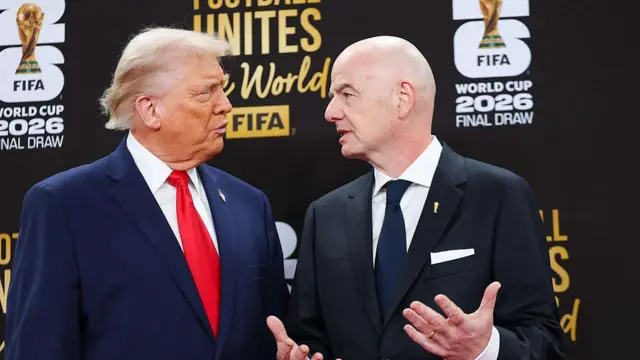
Controversy also erupted around refereeing decisions. American striker Folarin Balogun was sent off in the Round of 16 clash with Bosnia-Herzegovina. Following a call from U.S. President Donald Trump to FIFA President Gianni Infantino, FIFA cited Article 27 of its disciplinary code to provisionally suspend the one-match ban. Balogun played in the next round. It marked only the second time in World Cup history a red card was overturned under such circumstances, echoing a 1962 case involving Garrincha.
UEFA, the Belgian FA, and England manager Thomas Tuchel criticized the decision. Belgian players later admitted it motivated them further.
can the tournament live up to the hype?
With the quarterfinals featuring four of the world’s top-ranked teams—Argentina, Spain, France, and England—this World Cup has the ingredients for a legendary finale. A thrilling conclusion could cement its place as the greatest ever.
Despite logistical hurdles and controversies, the 2026 World Cup has delivered on its promise: unforgettable matches, full stadiums, and a global celebration of football. If the final lives up to the excitement of the group stage and Round of 16, this edition may be remembered as the pinnacle of international football.