China commends Democratic Republic of Congo’s anti-sexual violence efforts at UN Security Council
- Security
China’s representative to the United Nations Security Council, Ambassador Fu Cong, condemned the escalating international instability observed in recent years during a session on Wednesday, July 8, 2026. He highlighted that sexual violence in conflicts has intensified, with women and girls being the primary victims. In his view, the use of sexual violence as a weapon of war and terrorism constitutes a blatant violation of relevant UN Security Council resolutions and international law, causing lasting trauma to victims, their families, and communities.
Escalating crisis demands urgent action
During the session, presided over by the Democratic Republic of Congo, China firmly condemned all forms of sexual violence in conflicts and urged all states to unite in preventing and combating these crimes. This stance follows warnings from the UN Special Representative on Sexual Violence in Conflict, Pramila Patten, that conflict-related sexual violence has more than doubled in a year, reaching unprecedented levels amid escalating wars and eroding respect for international law. The Democratic Republic of Congo remains one of the worst-affected countries, where sexual violence persists in the eastern regions due to the activities of local and foreign armed groups and what authorities describe as Rwanda’s aggression through the M23 rebellion.
Sovereignty and responsibility in addressing sexual violence
Ambassador Fu Cong emphasized the fundamental principle of national sovereignty, stressing that states themselves must take the lead in preventing and combating sexual violence and protecting women and children. He called on the international community to fully respect the sovereignty and authority of affected countries while assisting them in strengthening security and rule of law capacities to ensure justice and protection for victims.
“The Secretary-General’s report highlights that countries like the Democratic Republic of Congo and Colombia, in cooperation with the United Nations, have actively sought tailored solutions and made significant progress in investigations and prosecutions, military and police management, implementation of public reparations, and support for survivors and children. China commends these efforts. We expect the Special Representative of the Secretary-General and relevant expert groups to continue fulfilling their mandates and providing necessary support to countries in combating sexual violence,” Fu Cong stated.
Peace as the cornerstone of ending sexual violence
The Chinese diplomat underscored that restoring peace and stability is the essential prerequisite for eradicating conflict-related sexual violence. Armed conflicts, social unrest, and weakened rule of law create fertile ground for these crimes to proliferate.
“Only peace and stability can address the root causes of these crimes and create an environment conducive to judicial and humanitarian action. The international community must uphold a common, comprehensive, cooperative, and sustainable security concept, prioritize peaceful dispute resolution, strengthen preventive diplomacy and mediation, promote ceasefires and an end to wars, respect international humanitarian law obligations, and defuse tensions in conflict zones. We must maintain a zero-tolerance stance toward terrorism, enhance international counter-terrorism cooperation, and resolutely combat all forms of terrorism,” he asserted.
Strengthening victim support mechanisms
Fu Cong also highlighted the need to bolster assistance mechanisms for victims. He stressed that helping survivors regain physical and mental health and rebuild their lives is crucial for promoting justice, social equity, and long-term stability.
“The international community should support conflict-affected countries in improving their assistance systems to provide survivors with comprehensive services, including medical care, psychological support, legal assistance, education, economic reintegration support, and measures to combat stigma. The Secretary-General’s report notes that the United Nations and international humanitarian agencies face severe funding shortages, forcing reductions in assistance programs in several regions and leaving many sexual violence survivors without recourse. We call on traditional donors, particularly countries with historical responsibilities, to provide stable and predictable financial support to affected countries, victims, and survivors, and to fully honor their commitments,” the ambassador pleaded.
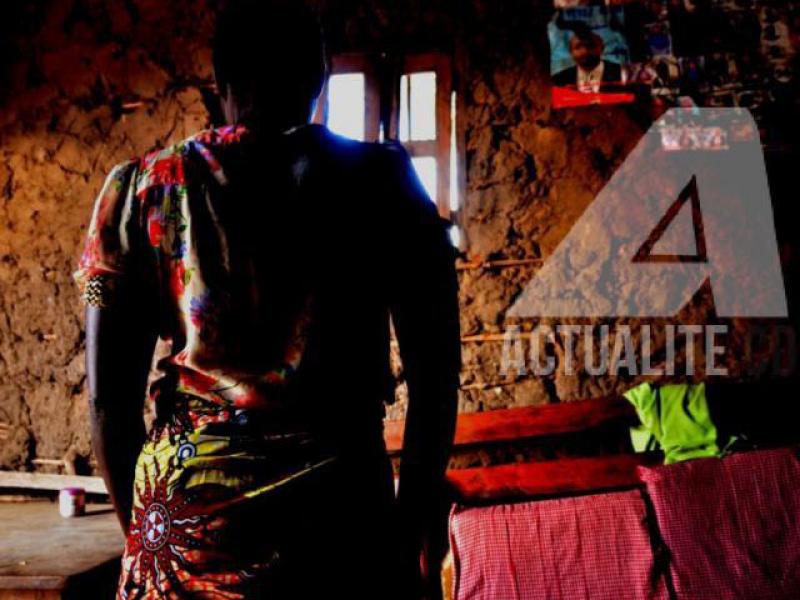
This session takes place against a backdrop where women in the Democratic Republic of Congo, particularly in conflict zones, continue to suffer sexual violence amid the activities of local and foreign armed groups. Authorities also point to Rwanda’s aggression through the M23 rebellion as exacerbating the vulnerability of women in the eastern part of the country.
Diplomatic efforts stall amid ongoing violence
While diplomatic initiatives to end the crisis and restore lasting peace have been announced, the situation on the ground remains dire. Despite progress on the political and diplomatic fronts, fighting continues, with parties accusing each other of failing to honor commitments.