As Morocco braces for a pivotal legislative election in late 2026, the political landscape is buzzing with speculation over who will succeed Aziz Akhannouch as the next head of government. The current prime minister, a seasoned businessman-turned-politician, has led the country through a period of economic reforms and social challenges. Now, with the clock ticking, a handful of high-profile figures are positioning themselves to take the helm at the Mechouar Saïd.
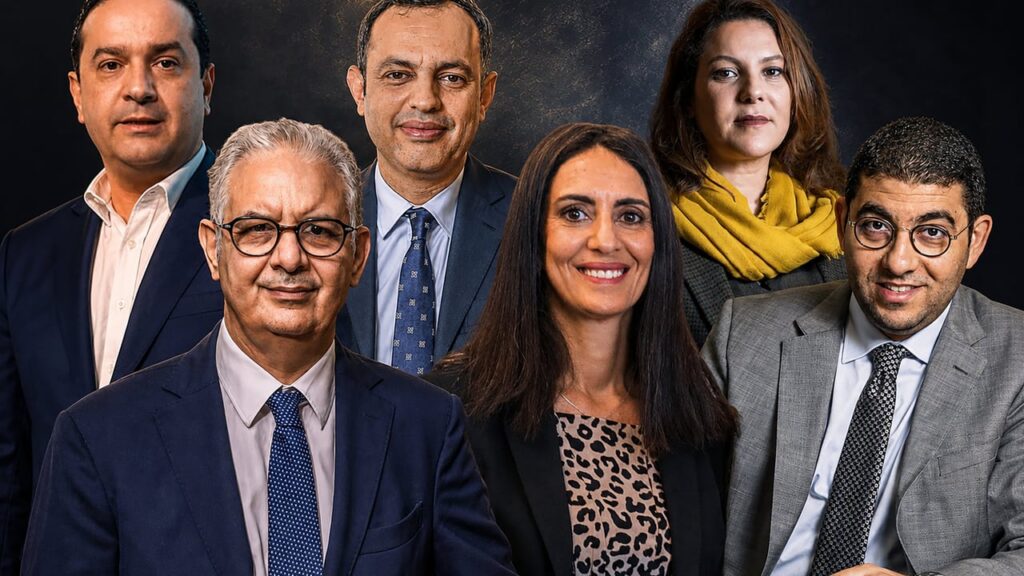
Among the frontrunners, Mostafa Terrab, chairman of the Office Chérifien des Phosphates (OCP Group), stands out for his deep understanding of Morocco’s economic engine. His leadership in the phosphate sector has made him a key player in national development strategies. Meanwhile, Nizar Baraka, a veteran politician and former finance minister, brings decades of experience in economic policy and governance, positioning him as a strong contender for the top job.
Another name frequently mentioned is Abdelouafi Laftit, the Interior Minister whose tenure has been marked by efforts to modernize public administration and strengthen security frameworks. His role in maintaining stability during a period of regional turbulence has earned him both praise and scrutiny. On the other hand, Younes Sekkouri, a dynamic reformist within the ruling party, has been vocal about his vision for a more inclusive and forward-looking Morocco, resonating with younger voters.
The political chessboard also features Nadia Fettah Alaoui, a former minister of tourism and industry, whose track record in driving economic diversification and women’s empowerment makes her a compelling choice. Meanwhile, Fouzi Lekjaâ, a seasoned technocrat with a background in finance and public policy, has quietly built a reputation as a pragmatic problem-solver, capable of navigating the complexities of Moroccan governance.
What voters and analysts are watching
As the election approaches, Moroccan voters and political analysts are closely examining the profiles of these candidates. Key questions loom large: Who can unite a divided electorate? Who has the economic acumen to address unemployment and inflation? And who can balance the demands of a young, ambitious population with the realities of a traditional political establishment?
For some, the ideal candidate is someone who can bridge the gap between Morocco’s urban centers and rural heartlands. For others, it’s about finding a leader who can maintain the country’s strategic alliances while asserting greater economic independence. The stakes are high, and the debates are heating up as the nation prepares to cast its ballots.
Challenges and expectations
The next prime minister will inherit a country at a crossroads. Morocco’s economy, while resilient, faces persistent challenges such as youth unemployment, regional disparities, and the need for further digital and green transitions. The political landscape is also evolving, with new parties and movements gaining traction, adding layers of unpredictability to the race.
Whoever emerges victorious will need more than just political savvy—they’ll need a clear vision for Morocco’s future. Will it be a leader who prioritizes continuity and stability? Or one who pushes bold reforms to accelerate progress? The answers will shape the kingdom’s trajectory for years to come.