World Bank commits $160 million to boost water access and climate resilience in Chad
The World Bank has allocated $160 million to enhance water access and strengthen climate resilience in Chad’s most vulnerable regions, directly benefiting one million people—over half of whom are women.
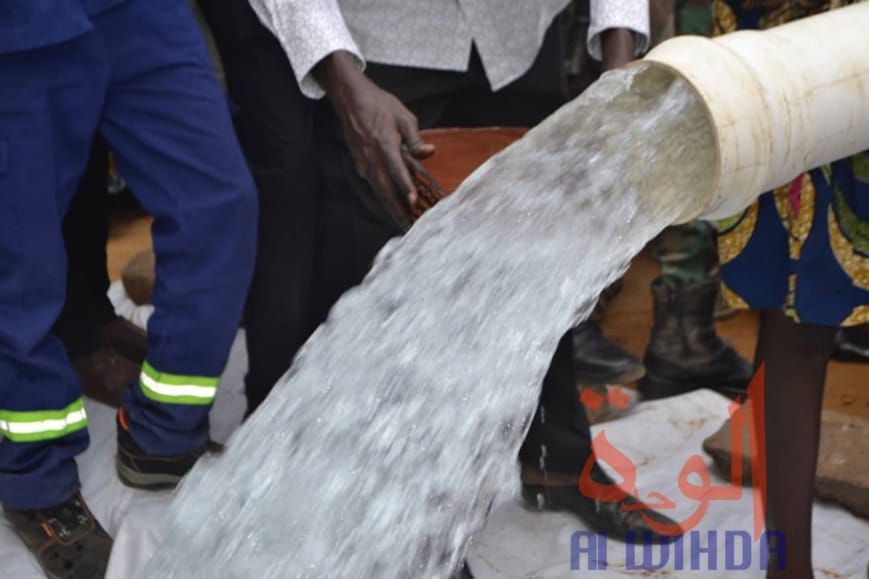
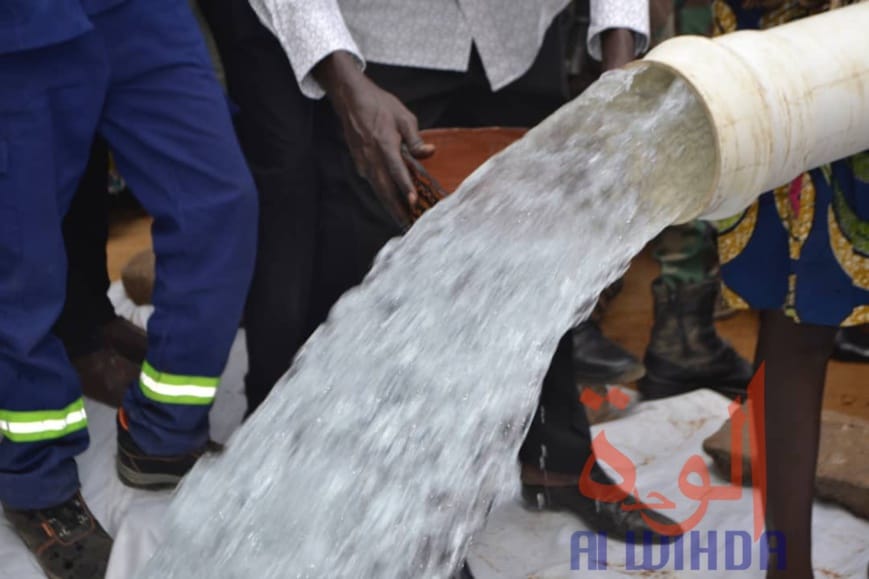
The World Bank is stepping up its support for Chad by launching a transformative initiative to improve water security and climate adaptation across the country’s most at-risk provinces. A $160 million grant from the International Development Association (IDA) will fund critical water infrastructure and resilience-building programs in targeted regions.
The Water and Climate Resilience Project in Chad
The Water and Climate Resilience Project for Chad (PASER) represents a strategic investment aimed at stabilizing communities facing climate shocks, displacement, and resource scarcity. By enhancing access to reliable water systems and climate-smart infrastructure, the project seeks to protect livelihoods from recurring droughts, floods, and land degradation.
Key components of the initiative include sustainable water resource management, localized capacity building, and targeted interventions to improve living conditions in areas heavily burdened by environmental stress. Over one million residents—including a significant number of refugees—will directly benefit from these resilience-focused investments.
Addressing fragility through water security and economic opportunity
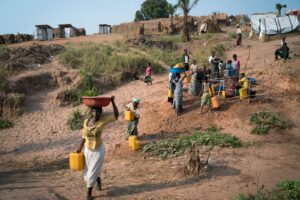
Farouk Mollah Banna, the World Bank’s Resident Representative in Chad, emphasized the project’s role in easing tensions over dwindling natural resources. “In a time of heightened competition for water and arable land, this initiative will restore access to clean water and foster hope in communities where over 1.3 million Sudanese refugees have settled in eastern Chad,” he noted. “It tackles core drivers of fragility such as uneven regional development, limited economic opportunities, and conflicts over natural resources.”
A substantial portion—$80 million—of the project’s funding is dedicated to the Host and Refugee Communities Window (WHR), ensuring that displaced populations receive equitable support alongside host communities.
Aligning with national development priorities
The initiative complements Chad’s Chad Connexion 2030 – Programme 15, a national strategy designed to shift from humanitarian aid toward integrated development and resilience-building in regions affected by population displacement. By combining water security with local economic empowerment, the project aims to create pathways from vulnerability to stability.
Hawa Cissé Wagué, the World Bank’s Acting Country Director for Chad, highlighted the project’s broader impact: “Through close collaboration with development partners, this operation demonstrates how targeted development investments can serve as powerful tools for peacebuilding and conflict prevention in some of the world’s most fragile settings. It is a vital step toward building a more inclusive and stable future for Chad.”
With over half of the beneficiaries—50.6% of whom are women—representing both host communities and refugees, the project will extend its reach across refugee-hosting provinces, N’Djamena, and other high-risk areas. This comprehensive approach underscores its potential to transform lives and foster long-term resilience in Chad’s most vulnerable regions.