The Sahel region is grappling with a devastating surge in human rights violations, with Mali, Burkina Faso, and Niger bearing the brunt of a spiraling crisis. As civilian casualties mount, calls for decisive action are growing louder in Washington, where lawmakers are pushing for targeted sanctions against the military juntas ruling the region.
Washington’s Stance on Sahel’s Authoritarian Turn
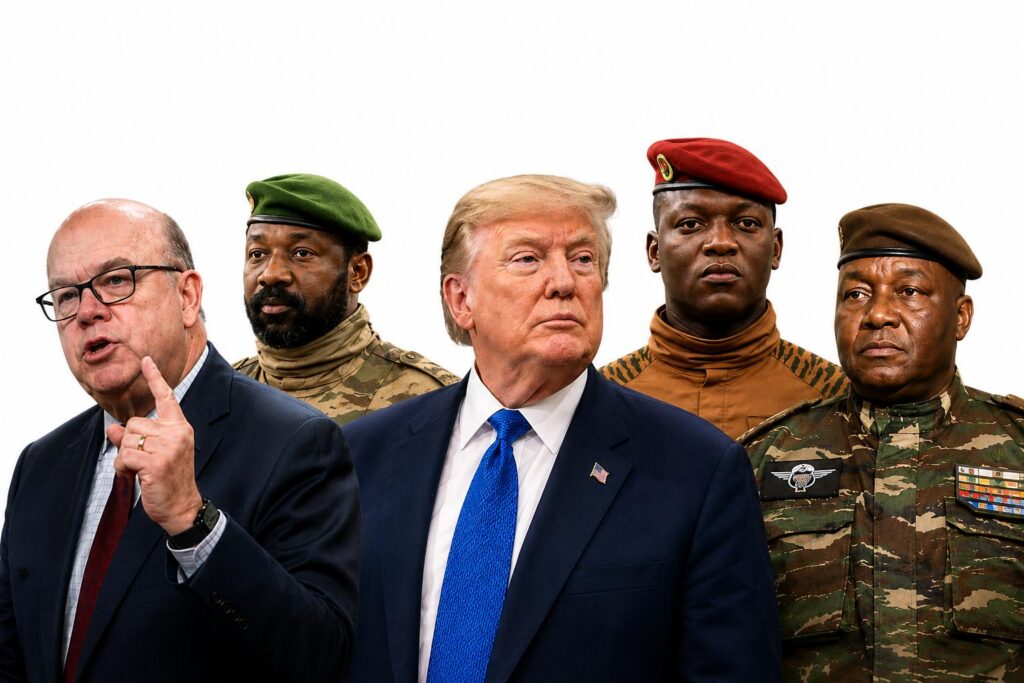
In a bold move at the U.S. Congress, Representative James P. McGovern has intensified pressure on the Trump administration to take a firm stand against the Sahel’s military regimes. The congressman, known for his advocacy of human rights, is urging the White House to deploy diplomatic and financial tools—including asset freezes, travel bans, and Magnitsky-style sanctions—to hold junta leaders in Bamako, Ouagadougou, and Niamey accountable for their actions.
Among McGovern’s key demands is the immediate and unconditional release of Mohamed Bazoum, the democratically elected president of Niger, who has been held captive by the Niamey junta since July 2023. His detention symbolizes the broader democratic backsliding plaguing West Africa, prompting U.S. diplomats to argue that inaction is no longer an option if Washington aims to preserve its moral standing on the global stage.
2026’S Bleak Toll: State-Sponsored Violence Escalates
This year has already seen over 2,600 deaths in the Sahel, a stark reminder of the human cost of unchecked authoritarianism. Far from restoring stability as promised, the military juntas have entrenched a climate of fear, with civilians bearing the heaviest burden.
Mali: A Wave of Mass Atrocities
In Mali, the humanitarian and security situation has reached a tipping point. Military operations, often backed by foreign mercenaries, have led to systematic abuses. A recent massacre, where nearly 500 men were executed in villages accused of collaborating with insurgents, has sent shockwaves through international organizations. Far from weakening jihadist groups, these mass killings have fueled resentment and recruitment for armed factions.
Burkina Faso: Forced Mobilization and Extrajudicial Killings
In Ouagadougou, the junta led by Captain Ibrahim Traoré has weaponized the state apparatus to suppress dissent. Extrajudicial executions in rural areas—disguised as anti-terrorism operations—are on the rise. Even more alarming is the regime’s use of a “general mobilization” law to forcibly conscript journalists, judges, human rights activists, and political opponents, effectively sentencing them to death.
Niger: Airstrikes That Miss Their Mark
In Niger, the military regime under General Abdourahamane Tiani faces an unprecedented security crisis. Recent airstrikes, purportedly targeting terrorist convoys, have instead struck bustling markets and civilian gatherings, leaving scores of innocent lives lost. The absence of independent investigations has ensured total impunity for these acts.
Life in the Crossfire: The Human Cost of Sahel’s Crisis
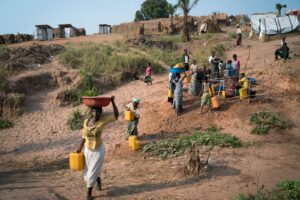
Beyond the grim statistics and diplomatic posturing, the daily reality of Sahel’s civilians tells a harrowing story. In the Liptako-Gourma region, dubbed the “tri-border zone,” residents describe a life under siege, trapped between two deadly forces.
« If we refuse to hand over our crops to the jihadists, they kill us. But if the army arrives and finds traces of the terrorists here, we’re accused of treason and executed on the spot, » shares a farmer from the Mopti region in Mali, requesting anonymity.
This dual threat has forced millions to flee their homes, creating one of the fastest-growing displacement crises on the continent. The resulting humanitarian emergency is compounded by economic collapse, as diplomatic isolation and diverted public funds—prioritizing war over health and education—push families deeper into poverty. Strict media censorship and the expulsion of foreign journalists have silenced voices that might otherwise expose the plight of these forgotten communities.
Geopolitical Chess: The Risks of Sanctions Amid Shifting Alliances
McGovern’s push for sanctions comes at a critical juncture, as the Sahel’s juntas pivot away from traditional Western partners toward new alliances with Russia and China. Cutting financial and political ties with these regimes risks accelerating this geopolitical shift, potentially pushing the Alliance of Sahel States (AES) firmly into Moscow’s sphere of influence.
Yet analysts warn that inaction carries its own perils. Allowing military regimes to commit war crimes under the guise of sovereignty would further destabilize the region, eroding global trust in democratic norms. For Washington, the challenge is clear: demonstrating that respect for human life and international law remains non-negotiable in its diplomatic engagements.
A Call for Moral Clarity
The Sahel is experiencing one of the darkest chapters in its modern history. With civilian deaths mounting in 2026, McGovern’s initiative serves as a stark reminder that the international community cannot remain a passive observer.
While sanctions won’t undo the suffering of victims, they would send a powerful message: the fight against terrorism cannot justify the erosion of freedoms or the slaughter of innocent civilians. All eyes are now on the White House to see if it will take a stand.