Military crackdown on weapons casts shadow over Guinea-Bissau’s December vote
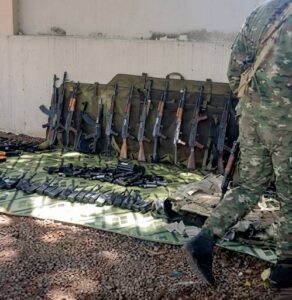
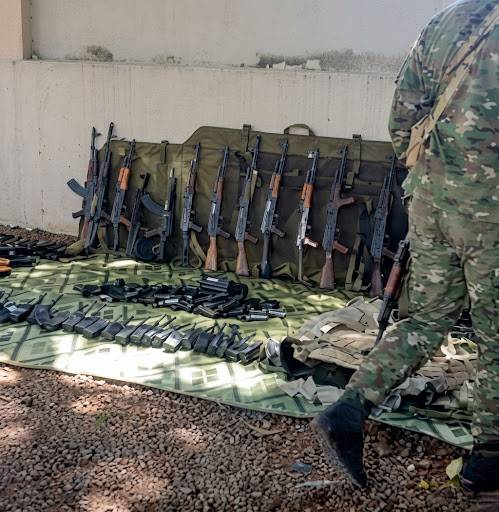
Guinea-Bissau is witnessing a sweeping military-led disarmament campaign in Bissau, targeting hidden weapons caches across the capital. Authorities claim the operation aims to dismantle armed groups linked to weapons allegedly traced back to supporters of former President Umaro Sissoco Embaló. With the country’s presidential election just weeks away on December 6, the timing of these seizures has intensified an already tense political climate—but will the crackdown secure stability or sabotage the vote?
Arms seizures reveal deeper power struggle ahead of polling day
Security forces are conducting thorough searches in Bissau, combing through private residences and shipping containers in search of unregistered firearms and ammunition. The stated goal: to curb the circulation of illegal weapons outside official military structures. But in a nation where the army has repeatedly overthrown governments, this move raises critical questions—is it about public safety or political control?
The military leadership insists the operation responds to genuine security threats. However, reports suggest that some of the weapons under scrutiny are believed to be connected to networks associated with Embaló, a claim that remains unverified by independent evidence. This has fueled speculation that the disarmament push may be a strategic move designed to weaken the former president’s influence.
Embaló’s return blocked: can he still run for president?
Umaro Sissoco Embaló, who was ousted in a November 2025 coup, has been living in exile in Morocco. Despite the political turbulence, he announced plans to return and contest the upcoming presidential election. His intended return date—October 4—was prevented by the military junta, which cited