Why did Senegal lose the CAN 2025 title?
The Confederation of African Football (CAF) revoked Senegal’s Africa Cup of Nations 2025 title, awarding it to Morocco instead. This unprecedented decision raises questions about post-competition rulings and the upcoming appeal before the Court of Arbitration for Sport (TAS).
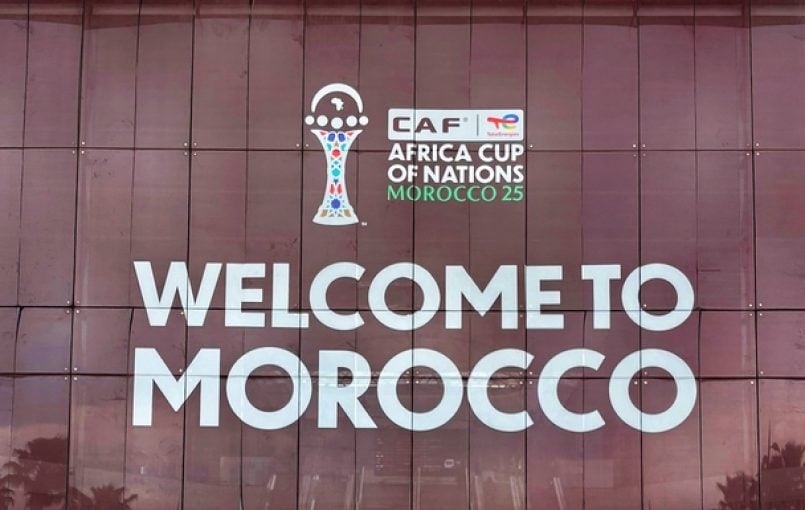
CAF’s controversial decision to revoke Senegal’s title
The January 18, 2026 final between Senegal and Morocco, the host nation, was marred by controversy. Despite Senegal’s victory on the field, the match became the focal point of a broader debate surrounding refereeing decisions and CAF governance. Allegations of bias against the host team cast a shadow over the tournament, prompting CAF to reaffirm its commitment to fairness and transparency.
The final itself was a turning point in this saga. With the score tied, Senegal had a goal disallowed in the 92nd minute, followed by a controversial penalty awarded to Morocco in the 98th minute. In protest, the Senegalese team and staff abandoned the field, leading to a 15-minute suspension. Senegal eventually scored in extra time and claimed the trophy, but their protest set the stage for legal repercussions.
Legal grounds for the CAF’s decision
The Moroccan Football Federation (FRMF) swiftly filed a complaint with the CAF Disciplinary Board, citing Articles 82 and 84 of the CAN Regulations. These articles state that a team refusing to play or abandoning the field without referee approval is deemed to have forfeited the match 3-0. The Disciplinary Board initially dismissed the complaint, but the FRMF appealed to the CAF Appeals Jury, which ruled on March 17, 2026, that Senegal had violated Article 82. The Appeals Jury declared Senegal forfeited, awarding the title to Morocco with a 3-0 score. Senegal responded by appealing to the Court of Arbitration for Sport (TAS).
What to expect from the Senegalese appeal
The TAS appeal, filed on March 25, 2026, challenges the CAF Appeals Jury’s decision. According to CAF Statutes (Article 48.2), the TAS prioritizes CAF and FIFA rules, with Swiss law as a subsidiary reference. The appeal hinges on two key arguments: the interpretation of Articles 82 and 84 and the balance between referee authority and disciplinary sanctions.
Senegal’s appeal may argue that the team’s temporary protest does not constitute a forfeiture under the regulations. Additionally, it could contend that CAF’s post-match ruling infringes on the referee’s immediate authority, as outlined in FIFA’s Code of Discipline and Laws of the Game. The outcome remains uncertain, as the TAS’s decision will be final, potentially either upholding or overturning the CAF’s ruling.