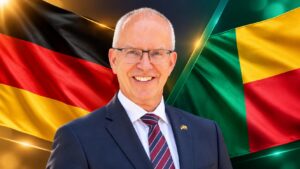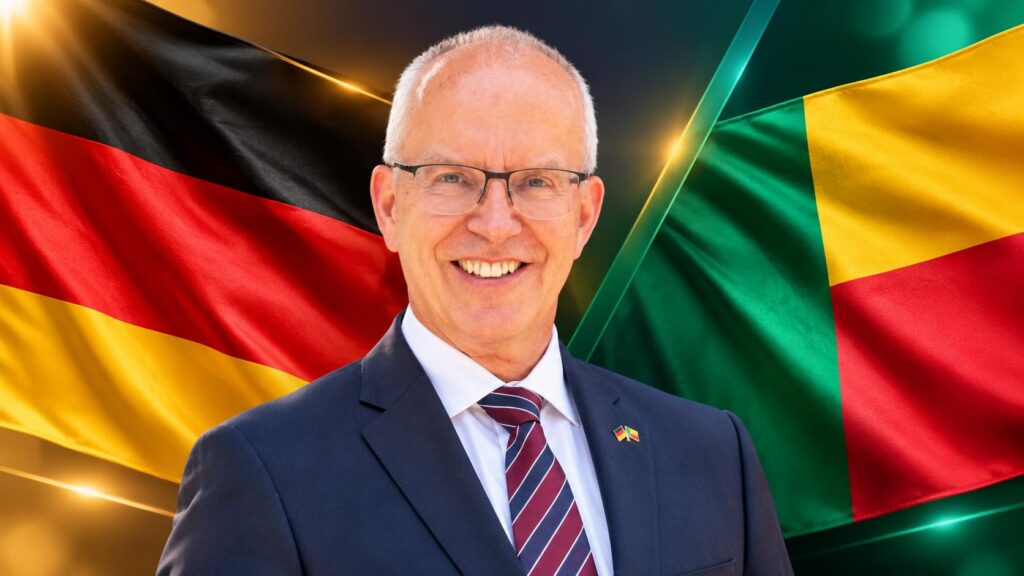
As the countdown to Berlin 2027 begins, Benin and Germany have taken a decisive step forward with a new €15 million pledge announced in October 2026. The strategic funding, finalized during high-level bilateral consultations in Cotonou, is set to reshape key sectors while reinforcing the foundations for next year’s landmark negotiations.
Berlin 2027 on the horizon: a funding injection with long-term stakes
Co-chaired by Hugues O. Lokossou, Benin’s Minister in charge of External Resource Mobilization and Debt Management, and Dr. Silvia Morgenroth, Director of the West Africa Division at Germany’s Federal Ministry for Economic Cooperation and Development (BMZ), the consultations were more than routine diplomacy. They laid the groundwork for the critical intergovernmental talks scheduled in Berlin, where both nations will negotiate long-term commitments. The €15 million (approximately 9.8 billion FCFA) allocation—announced at the close of the meetings—marks a pivotal moment in this partnership.
Where will the €15 million go? Three pillars shaping Benin’s future
The funding will be channeled into initiatives that align with Benin’s own development priorities, as outlined in the Programme d’Actions du Gouvernement (PAG):
1. Powering progress: solar energy meets hydroelectric at Nangbéto
The agreement includes a groundbreaking solar component to be integrated into the existing Nangbéto hydroelectric dam—a hybrid hydro-solar project designed to enhance energy reliability. This initiative supports Benin’s push toward renewable energy, reducing fossil fuel dependence and expanding access to electricity for underserved communities.
2. Empowering entrepreneurs—especially women
A second focus is on local small and medium-sized enterprises (SMEs), with expanded technical advisory programs targeting business growth and sustainability. A special emphasis on women-led businesses aims to strengthen economic participation and close gender gaps in entrepreneurship. These efforts are expected to stimulate job creation and diversify Benin’s economic base ahead of Berlin 2027.
3. Building resilient institutions and green futures
Germany’s support also extends to institutional strengthening through:
- Financial governance and decentralization: Enhancing local budget management and fiscal transparency to improve service delivery.
- Youth employment and skills alignment: Bridging the gap between vocational training and labor market needs to equip young professionals for emerging industries.
- Water access and biodiversity protection: Strengthening environmental resilience by investing in sustainable water management and ecosystem conservation.
What’s at stake in Berlin 2027?
The October 2026 pledge is more than just financial—it’s a signal of deeper commitment. Both nations have reaffirmed their dedication to core values including democracy, rule of law, and multilateralism. The Berlin summit will be the stage where these commitments translate into binding, multi-year agreements. Success here could redefine the trajectory of bilateral cooperation, while missed opportunities risk stalling progress.
With Berlin 2027 fast approaching, the €15 million investment is a test case: can Benin and Germany turn strategic intent into tangible, lasting results? The world will be watching how this funding shapes not just sectors, but the very future of Benin’s development path.
From pledges to impact: the road ahead
Implementation will be critical. Transparent disbursement, rigorous monitoring, and inclusive stakeholder engagement will determine whether this funding translates into measurable change. As both governments prepare for Berlin, the focus shifts from what was promised to how these goals will be achieved—setting the tone for a partnership that could inspire others across Africa.