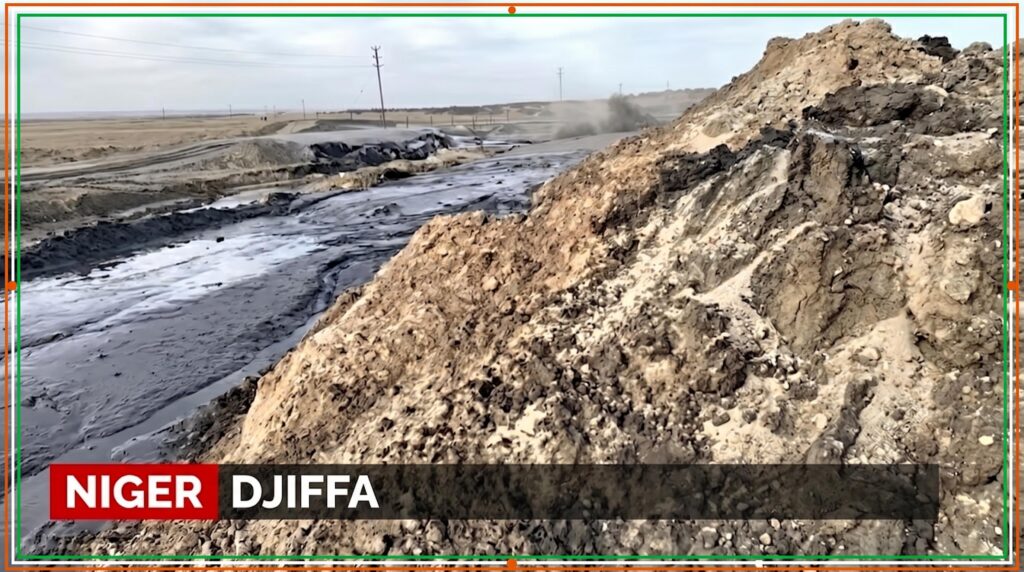
Rising alarm in Diffa as crude oil leak threatens local ecosystems and livelihoods
With oil at the heart of Niger’s economic ambitions, a growing crude oil leak in the Diffa region has flipped the narrative: what was meant to fuel progress now threatens the environment and the very communities it was supposed to sustain. After nearly a week of unaddressed seepage, the situation has escalated from a technical fault to a full-blown environmental crisis, raising a critical question: is Niger prepared to act before the damage becomes permanent?
In eastern Niger, where oil exploration and transport are key economic drivers, a visible dark sheen now spreads across land and water alike. The leak—described by local observers as a mini-oil spill—has triggered urgent calls for intervention. But with each passing hour, the window for effective containment narrows, and the risks to public health, agriculture, and fragile ecosystems multiply.
Why speed is non-negotiable in responding to oil leaks
Oil spills are not mere operational glitches. They are environmental emergencies that demand immediate, coordinated action. When crude oil escapes from pipelines, wells, or storage facilities, it doesn’t just stain the soil—it poisons water sources, suffocates soil life, and disrupts the delicate balance of local ecosystems. In Diffa, where water scarcity is already a reality, the stakes are even higher.
First responders face a race against time:
- Locate the source: Pinpointing the exact location of the leak is the first step toward stopping further contamination.
- Contain the spread: Deploying booms and barriers to prevent the oil from reaching rivers, wetlands, or farmland.
- Assess the damage: Collecting soil and water samples to determine contamination levels and ecological impact.
- Protect communities: Informing nearby residents about health risks and safety measures.
The longer the oil flows, the harder cleanup becomes—and the greater the long-term cost to both the environment and public trust.
Hidden consequences: how oil spills ripple beyond the spill site
While satellite images and ground reports can show the visible spread of oil, the true impact extends far beyond sight. A crude oil leak doesn’t just damage land—it disrupts lives.
For pastoralists, whose herds graze on contaminated land, the threat is immediate. For farmers, whose crops depend on clean water, contamination can spell financial ruin. And for families drawing water from wells near the leak, long-term exposure to hydrocarbons can lead to serious health issues.
Environmental damage in Diffa could also have cascading effects:
- Loss of biodiversity in wetlands vital for migratory birds.
- Reduction in fish populations, impacting food security.
- Soil degradation, rendering farmland infertile for years.
These risks aren’t theoretical. They represent real threats to the 2.5 million people who call Diffa and its surroundings home.
The cost of silence: why transparency is as crucial as cleanup
When environmental disasters unfold, misinformation and delayed communication only amplify the crisis. Residents have a right to know:
- What caused the leak?
- Who is responsible for stopping it?
- What health and safety measures are in place?
- Is my water safe to drink?
Without clear, timely updates, rumors spread, panic grows, and trust erodes. Authorities and operators must prioritize public communication—not just for legal compliance, but for public safety and accountability.
Prevention over penalty: building a culture of environmental responsibility
The Diffa incident isn’t just about responding to a spill—it’s about preventing the next one. Oil-rich nations face a dual challenge: maximizing economic benefits while protecting natural resources. In Niger, that balance has not yet been achieved.
To avoid future crises, key measures must be implemented:
- Regular infrastructure inspections: Pipelines, storage tanks, and wells must be monitored for wear, corrosion, and structural risks.
- Real-time monitoring systems: Sensor networks and satellite tracking can detect leaks faster than ground crews.
- Emergency response drills: Simulated spill scenarios prepare teams to act decisively under pressure.
- Community engagement: Informing residents about risks and empowering them to report anomalies.
The goal is clear: oil must fuel progress, not environmental destruction. The government, oil operators, and environmental agencies must work as one—because when it comes to oil spills, prevention is not optional.
What happens next in Diffa could define Niger’s environmental future
Diffa’s oil spill is no longer a pending threat—it’s a live crisis. The next 48 to 72 hours will be decisive. Will the leak be sealed? Will cleanup begin? Will residents receive the information and protection they deserve?
This moment is not just about containing oil—it’s about reaffirming a national commitment to environmental stewardship. Niger cannot afford to treat oil spills as inevitable accidents. Each leak that goes unchecked erodes public trust, damages ecosystems, and risks long-term economic harm.
The people of Diffa deserve more than cleanup—they deserve reassurance that their environment, their health, and their future matter more than short-term gains. The question is no longer if Nigeria will act, but whether it will act in time.