Water scarcity in Africa: Gabon’s strategic move at the African Water Forum
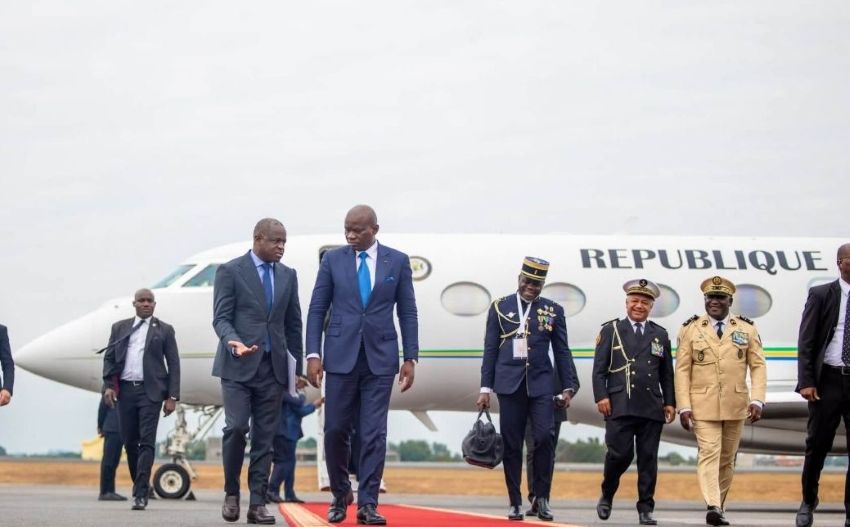
Libreville, Saturday, July 18, 2026 — Access to clean water has emerged as one of Africa’s most pressing geopolitical challenges. At the African Water Forum held in N’Djamena, heads of state delivered a unanimous message: without substantial investments in water infrastructure, stronger regional cooperation, and climate adaptation strategies, sustainable development goals will remain out of reach.
Gabon’s President Brice Clotaire Oligui Nguema took part in this continental gathering, positioning Gabon at the heart of this collective effort while seeking tangible solutions to the country’s ongoing challenges in potable water supply.
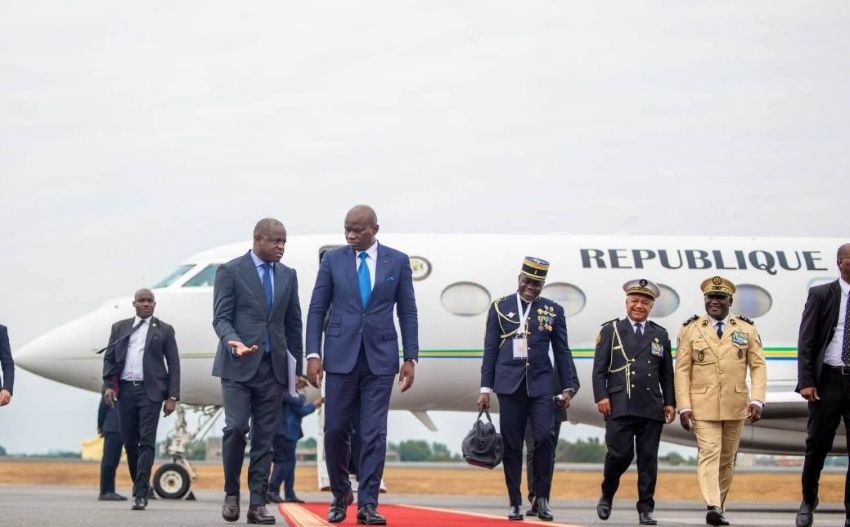
Upon his return to Libreville on Friday, the Head of State brought back more than just diplomatic participation. The Forum’s deliberations have unlocked new avenues for financing, technical cooperation, and expertise sharing, all of which will support ongoing reforms aimed at improving water and sanitation access nationwide.
The African water crisis: a shared urgency
Over two days in Chad’s capital, leaders from multiple African nations, financial institutions, technical partners, and international organizations assessed the continent’s growing water stress. Rapid population growth, unchecked urbanization, recurring droughts, floods, and climate change are exerting unprecedented pressure on water resources.
Key resolutions were adopted, including calls to:
- Accelerate investments in clean water distribution networks;
- Enhance the climate resilience of water infrastructure;
- Strengthen water governance frameworks;
- Develop innovative financing mechanisms;
- Promote joint management of transboundary water basins.
The Forum also underscored the need for deeper partnerships between governments, development banks, the private sector, and international donors to bridge the funding gap that has stalled numerous water projects across the continent.
The overarching ambition? To turn water from a development bottleneck into a catalyst for economic growth, public health, and economic stability.
Gabon ramps up water sector reforms
For Gabon, these resolutions resonate deeply. Despite possessing one of Central Africa’s richest water endowments, many households—especially in Greater Libreville—still face daily water supply shortages.
President Oligui Nguema has made improving water access and sanitation a national priority. The recent declaration of a water emergency reflects this commitment to addressing immediate needs while laying the groundwork for long-term structural solutions.
Gabon’s participation in the African Water Forum aligns with this strategy, enabling the country to secure new financial partners, adopt best international practices, and receive technical support to modernize its water infrastructure.
Bilateral discussions held on the Forum’s sidelines also strengthened ties with African and international partners engaged in water, sanitation, and sustainable water resource management.
Transforming water into an engine for growth
Beyond ensuring access to clean water, water security underpins Gabon’s broader development agenda. It affects public health, food security, agriculture, industrialization, energy production, and investment attractiveness. As Gabon seeks to diversify its economy, securing this vital resource has become both an economic necessity and a social imperative.
The breakthroughs achieved in N’Djamena offer Gabon a chance to fast-track the modernization of its water networks, bolster infrastructure resilience against climate change, and enhance living conditions for its people.
« The Forum has unlocked fresh opportunities in water infrastructure financing, technical cooperation, and expertise transfer, » a statement from the Presidency noted.
As climate change reshapes global balances, water mastery is becoming a defining marker of state sovereignty. For Gabon, the challenge now is to translate the commitments made in N’Djamena into concrete achievements. Universal access to safe drinking water is no longer just a development target—it is a cornerstone of the country’s prosperity and resilience in the decades ahead.