Cotonou is accelerating its structural transformation with a landmark financial agreement signed with the World Bank. The deal, finalized on July 17, 2026, unlocks $320 million in funding to propel Benin’s economic growth through energy independence and human capital development. This dual investment signals a new chapter for the country’s economy and its people.
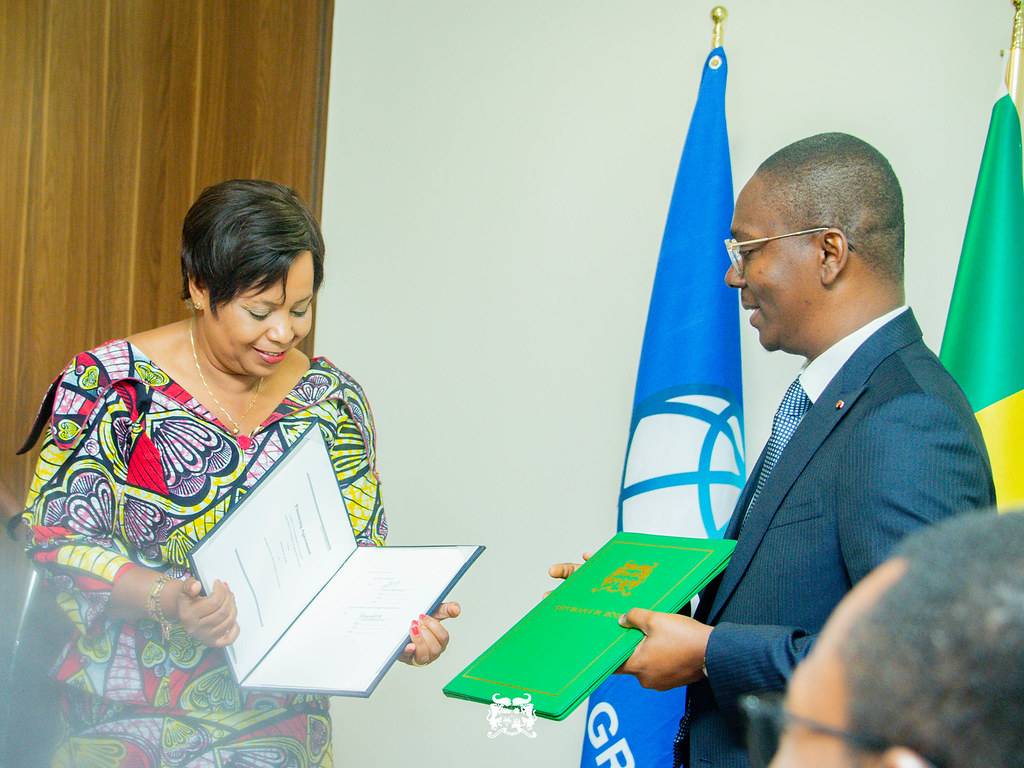
The agreements were sealed in the modern setting of Cotonou’s ministerial complex, where government officials and World Bank representatives gathered to formalize the partnership. The funding isn’t just about injecting capital—it’s a strategic move to align Benin’s long-term economic vision with tangible progress in infrastructure and social welfare.
Dogo-Bis Dam: Powering the Ouémé Valley’s future
The first tranche of $150 million is earmarked for the Dogo-Bis multifunctional dam project in the Ouémé Valley. Far more than a power source, this dam is designed to be a catalyst for integrated development.
On the energy front, Benin is taking bold steps toward self-sufficiency. By boosting national electricity production, the dam will reduce reliance on regional energy imports—a persistent vulnerability for local industries. Édouard Dahome, Minister of Energy, Water, and Mines, highlighted its potential to stabilize electricity supply, making it more affordable and reliable for businesses and households alike.
But the dam’s impact extends beyond watts and volts. By ensuring a steady water supply, it will unlock the agricultural potential of the Ouémé Valley. Historically, farmers in the region struggled with unreliable water access and limited processing facilities. With Dogo-Bis, the government aims to stabilize year-round agricultural output and attract private investors to local food processing—turning raw produce into higher-value products.
ALAFIA I: Investing in Benin’s next generation
The second agreement, worth $170 million, funds ALAFIA I, a program focused on nurturing human capital. The initiative targets early childhood development, nutrition, and maternal health, addressing the root causes of economic stagnation.
Research consistently shows that investments in early childhood yield the highest returns in public policy. A healthier, better-nourished population from infancy translates to lower healthcare costs, higher school enrollment rates, and a more productive workforce in the future. ALAFIA I isn’t just about short-term gains—it’s about building the social foundations for sustainable growth that benefits all Beninese.
A synergy for lasting change
The true strength of these investments lies in their synergy. As Hugues Oscar Lokossou, Minister Delegate for External Resource Mobilization and Debt Management, noted, the projects are designed to reinforce each other.
The agricultural and industrial growth spurred by the Dogo-Bis dam will enhance food security, while ALAFIA I ensures the workforce is healthy, educated, and ready to meet the demands of a modern economy. Improved connectivity across Benin will also ensure that economic benefits spread evenly, reducing urban-rural divides.
Setting a regional benchmark
With this $320 million boost, Benin is sending a strong signal to international investors. In a region often plagued by instability, Cotonou is positioning itself as a stable, forward-thinking hub for development financing.
The goal is clear: transition from a transit-based economy reliant on subsistence farming to a diversified, semi-industrial powerhouse. Sustainability and inclusivity are at the core of this strategy, with a focus on empowering women and rural communities. Benin isn’t just chasing economic growth—it’s redefining what inclusive development looks like.
The July 17 agreements aren’t just another bureaucratic milestone. They represent a cornerstone for Benin’s future. By simultaneously investing in the Ouémé Valley’s energy potential and its youth through ALAFIA I, the government is proving that sustainable economic strength requires more than bricks and mortar—it demands a thriving, well-nourished population. The real test now lies in execution, and the nation is watching closely.