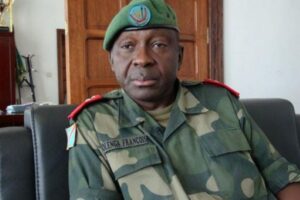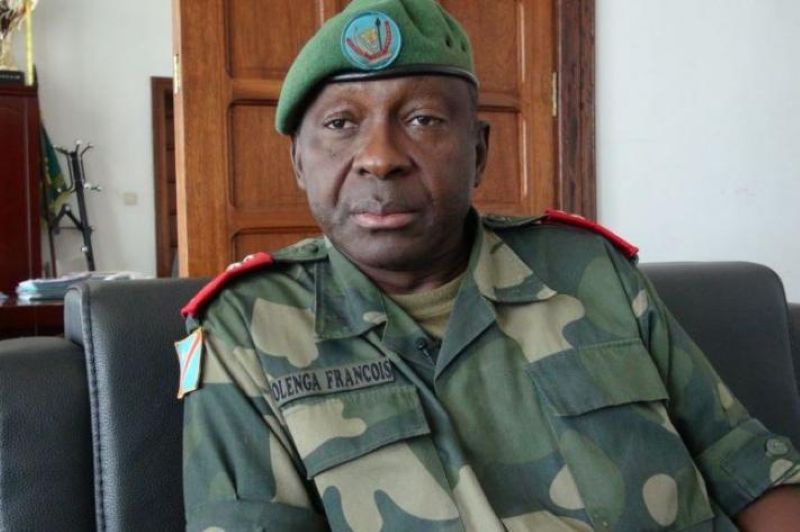
The United States Department of the Treasury has officially lifted sanctions against retired four-star General François Olenga and Safari Club, his business venture, following a nine-year legal battle. The decision was communicated through a formal notification to Olenga’s legal representative on September 23, bringing an end to a prolonged dispute over the validity of the sanctions.
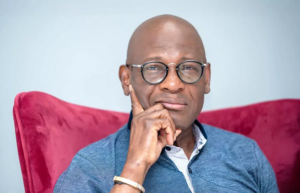
« This marks the conclusion of more than nine years of relentless effort, legal maneuvers, and advocacy. I have consistently argued that the evidence did not justify the sanctions imposed on my client,» stated Aimé Kilolo Musamba, Olenga’s attorney, in a statement. The lawyer emphasized the significance of the outcome, positioning it as a testament to the power of African legal representation in international disputes.
What the sanctions removal means for Olenga and his business
Following the delisting, General Olenga is no longer barred from entering the United States or engaging in financial transactions with American entities. His Safari Club, a high-profile hospitality complex near Kinshasa, is now free to host American visitors and conduct business without restrictions. Prior to this decision, both the general and his business were effectively cut off from the U.S. market, severely limiting their economic and diplomatic opportunities.
Revisiting the grounds for sanctions
In June 2017, the U.S. Treasury placed Olenga on its sanctions list, accusing him of undermining the Democratic Republic of Congo’s democratic process. The Treasury alleged that under his oversight as head of the Republican Guard during former President Joseph Kabila’s administration, opposition figures were harassed, arbitrary arrests occurred, and U.N. observers were obstructed. Additionally, Olenga’s assets in the U.S. were frozen, and he was barred from travel to the country.
Olenga’s legal team countered these claims throughout the proceedings, arguing that the sanctions were politically motivated and lacked sufficient legal justification. The recent reversal suggests that their arguments ultimately prevailed, setting a precedent for similar cases.
Implications for the Democratic Republic of Congo
Aimé Kilolo Musamba framed the outcome as more than just a personal victory for Olenga, calling on the DRC to take greater control over its own sanctions policies. In a statement from Brussels, he highlighted the need for Congolese authorities to develop a national framework for imposing targeted sanctions on individuals and entities involved in international crimes within the country.
« Sovereignty is not just about political independence; it is also about the ability of a state to enforce its own legal instruments to protect its people and national interests. The law knows no borders when defended with skill and determination,» the lawyer asserted. He stressed that the DRC must stop relying exclusively on foreign powers to impose sanctions, advocating for a more self-sufficient approach to justice and governance.
Looking ahead: a new chapter for U.S.-DRC relations
The delisting of General Olenga signals a potential shift in U.S. policy toward the DRC, particularly in how sanctions are applied in response to political and human rights issues. While the decision does not address the underlying conflicts in the eastern part of the country, it removes a longstanding irritant in bilateral relations and could pave the way for renewed diplomatic and economic engagement.
For Olenga, the lifting of sanctions restores his reputation and opens new avenues for business and travel. For the DRC, it serves as a reminder of the importance of legal advocacy and the need to strengthen domestic institutions capable of handling such challenges independently.