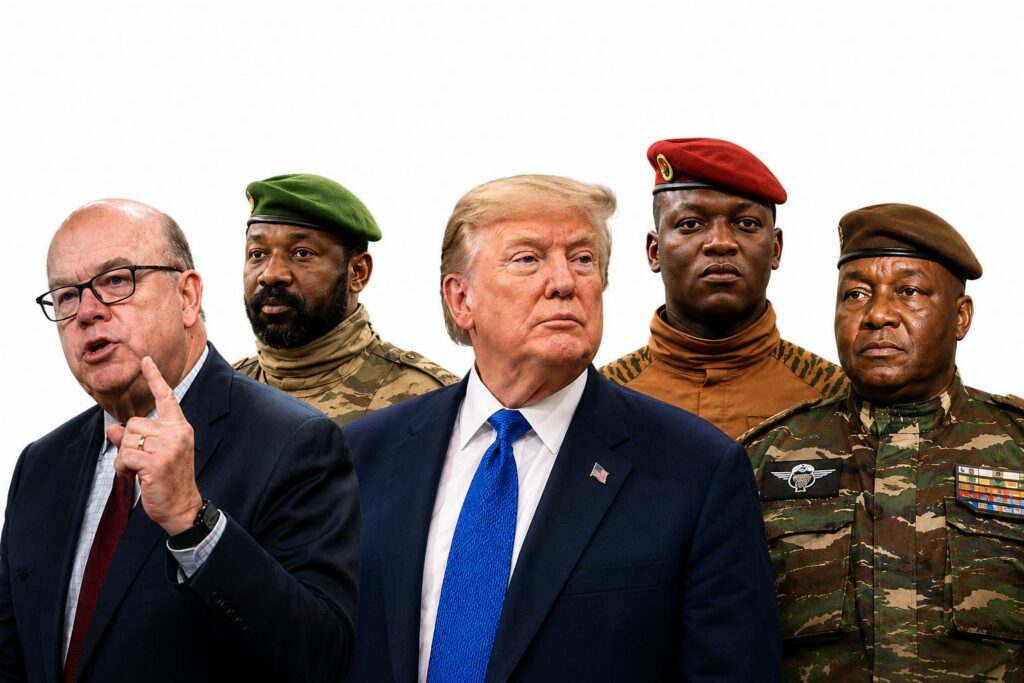
The Sahel region is grappling with an unprecedented surge in violence, as military juntas in Mali, Burkina Faso, and Niger escalate their crackdowns on civilians. With over 2,600 deaths recorded in early 2026 alone, the humanitarian crisis has reached catastrophic levels, forcing millions to flee their homes under the dual threats of armed groups and state repression.
Washington considers tough measures against Sahel juntas
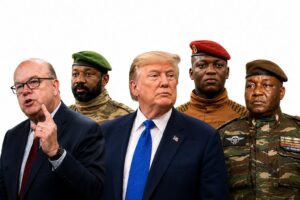
In the United States Congress, Representative James P. McGovern is leading a vocal push for Washington to take decisive action. The Democratic lawmaker is urging the Trump administration to impose targeted sanctions on top officials in Bamako, Ouagadougou, and Niamey, accusing the juntas of committing grave human rights violations. His demands include freezing assets, travel bans, and Magnitsky-style sanctions to hold the military regimes accountable for their actions.
One of the central demands is the immediate and unconditional release of former Nigerien President Mohamed Bazoum, who has been held captive by the Niamey junta since the July 2023 coup. Bazoum’s detention symbolizes the democratic backsliding gripping West Africa, and diplomats argue that inaction would undermine U.S. moral authority on the global stage.
Bloodshed and repression fuel Sahel’s humanitarian catastrophe
The violence gripping the region has taken a devastating toll on civilians. In Mali, military operations—often supported by foreign mercenaries—have led to widespread atrocities, including the recent extrajudicial execution of nearly 500 men in villages accused of colluding with insurgents. Far from weakening jihadist groups, such brutality fuels recruitment and deepens local resentment.
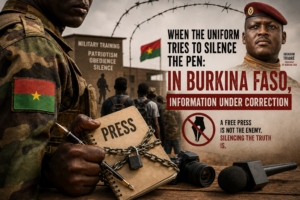
In Burkina Faso, the junta led by Captain Ibrahim Traoré has weaponized state institutions to suppress dissent. Extrajudicial killings in rural areas, combined with forced conscription under the guise of a “general mobilization” law, have turned dissenters—journalists, judges, and activists—into targets. Many face the grim prospect of being sent to the front lines as expendable soldiers.
Niger’s military regime, under General Abdourahamane Tiani, has escalated aerial strikes that frequently miss their intended targets, striking civilian markets and gatherings instead. The lack of independent investigations has entrenched a culture of impunity, leaving families in constant fear.
Daily life under siege: trapped between terror and state violence
For millions in the Liptako-Gourma region—the so-called “tri-border” area—survival has become a daily gamble. Residents describe a brutal Catch-22: if they refuse to provide food to jihadists, they face execution. If the military suspects them of harboring insurgents, they are accused of treason and killed on the spot.
The resulting displacement crisis is among the worst in recent memory, with millions forced into makeshift camps. The economic fallout is just as severe, as juntas divert public funds from healthcare and education to military campaigns. Tight censorship and the expulsion of foreign journalists ensure that these atrocities remain largely hidden from international scrutiny.
Geopolitical stakes: can Washington balance pressure with regional stability?
The push for sanctions comes at a critical juncture. Since severing ties with Western partners and demanding the withdrawal of U.S. and French troops, the Sahel juntas have pivoted toward Moscow and Beijing. Critics warn that imposing harsh penalties could push the Alliance of Sahel States (AES) further into Russia’s sphere of influence, complicating Washington’s long-term strategic goals.
Yet proponents of sanctions argue that inaction would signal tacit approval of war crimes, emboldening juntas to escalate repression. The U.S. faces a stark choice: either confront the regimes directly, risking geopolitical fallout, or risk normalizing a new era of authoritarianism in West Africa. The coming weeks will reveal whether Washington is willing to draw a line in the sand.