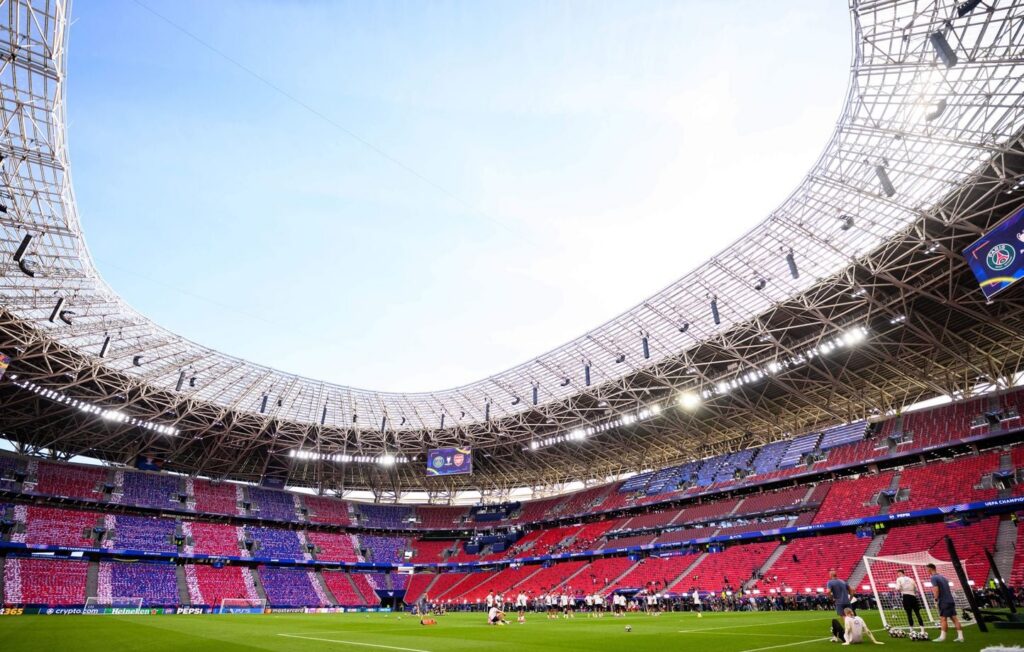
Why the UEFA Champions League final between PSG and Arsenal starts at 6 pm instead of 9 pm
The highly anticipated UEFA Champions League final between Paris Saint-Germain (PSG) and Arsenal, set to take place in Budapest, has been scheduled for 6 pm local time this Saturday, a significant shift from the traditional 9 pm kickoff. This adjustment follows an announcement made by European football’s governing body last August and will apply to all future Champions League finals.
So, what prompted this change? The decision stems from a combination of logistical, economic, and audience-driven considerations. The UEFA’s primary goal is to enhance the experience for both teams and fans while maximizing global viewership.
Logistics and team convenience take center stage
The new 6 pm start time is designed to alleviate the pressure on players and staff after an exhausting season. By concluding the match earlier, teams will have more time to recover, travel, and prepare for the next challenges. Organizers and broadcasters also benefit from this schedule, as it simplifies the coordination of post-match activities, including press conferences and logistics.
Boosting the local economy and fan experience
Budapest, as the host city, stands to gain significantly from this adjustment. A 6 pm kickoff allows supporters more time to celebrate in local bars, restaurants, and fan zones if their team wins, thereby stimulating the city’s hospitality sector. The UEFA also aims to create a more family-friendly atmosphere, particularly in Europe, where families can gather to watch the final without late-night disruptions.
Additionally, the earlier start time is expected to benefit Asian audiences, who have increasingly become a key market for European football. While 6 pm in Budapest translates to 1 am in Tokyo, it is still a more reasonable hour compared to the previous 9 pm kickoff, which forced fans to stay up until 2 am or later.
Economic and media implications
From an economic standpoint, the change is intended to drive higher engagement and revenue through increased viewership and advertising opportunities. Broadcasters will have more time for post-match analysis and discussions, while the local economy in Budapest benefits from extended fan celebrations and tourism-related activities.
This adjustment reflects the UEFA’s commitment to modernizing the Champions League final to meet the evolving needs of players, fans, and stakeholders alike. As the new format rolls out, fans can expect this trend to continue in future editions of the tournament.