Togo’s leadership faces explosive accusations over alleged espionage ties
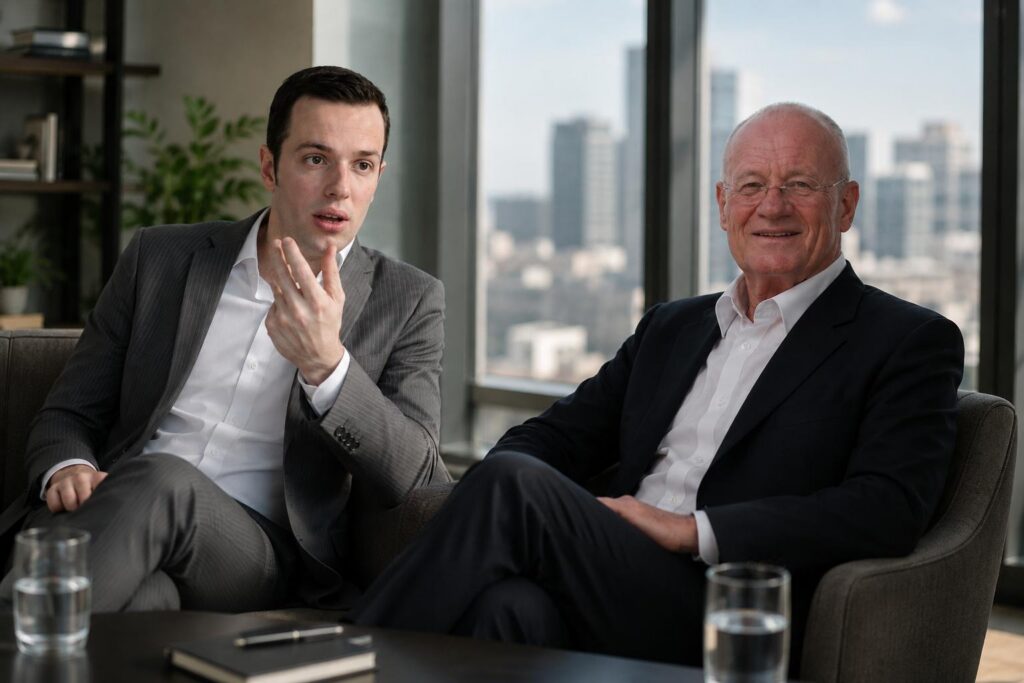
The unfolding saga surrounding mass surveillance in Togo has escalated into a full-blown political and media firestorm. In his latest investigative report, journalist Thomas Dietrich levels a bombshell claim: Togolese President Faure Gnassingbé is allegedly collaborating with the influential Yatom family, whose patriarch, Dany Yatom, formerly led Israel’s top intelligence agency. This partnership, if proven true, involves entrusting critical national security operations—including surveillance systems—to a private espionage firm with deep ties to foreign intelligence networks.
The implications of these allegations extend far beyond mere political scandal. They expose a troubling pattern: a regime willing to outsource its own citizens’ security to external entities, prioritizing regime survival over national sovereignty. The move mirrors the tactics of long-standing authoritarian dynasties, where paranoia drives the systematic suppression of dissent and the erosion of democratic freedoms.
Faure Gnassingbé’s gamble on foreign intelligence contractors
What makes this case particularly alarming is the scale of the alleged collaboration. Rather than relying on domestic institutions, the Togolese government—under Gnassingbé’s leadership—is said to have handed over key components of its surveillance apparatus to a private firm linked to former Israeli intelligence operatives. This decision raises serious questions about Togo’s commitment to self-governance and the protection of its people’s fundamental rights.
The use of foreign mercenary intelligence services to monitor citizens is not just a breach of democratic norms; it is a direct assault on the country’s autonomy. By externalizing security functions, the regime effectively abdicates its responsibility to protect its population, instead weaponizing surveillance tools to silence opposition, stifle civil society, and perpetuate its grip on power—a grip that has endured for nearly six decades.
Thomas Dietrich’s investigation: between revelation and recklessness
While the accusations against the Togolese leadership are grave, the manner in which they have been presented has sparked intense debate. Thomas Dietrich, known for his confrontational style and high-profile clashes with African regimes, has framed his latest exposé as a crusade against authoritarianism. Yet critics argue that his approach risks undermining the very cause he claims to champion.
The journalist’s decision to deploy sensational claims on digital platforms—without immediately backing them up with verifiable evidence such as contracts, financial records, or leaked documents—has diluted the impact of the revelations. This strategy, while effective at generating online buzz, leaves the door wide open for the government to dismiss the allegations as baseless propaganda orchestrated by external forces. Such a reaction not only weakens the credibility of the investigation but also endangers local journalists and activists who operate under far greater risks, often with meticulous documentation and without the safety net of international exposure.
A toxic cycle of mutual exploitation
The dynamic between Togo’s authoritarian regime and the expatriate journalist has become a self-perpetuating cycle of provocation and retaliation. For Gnassingbé’s government, Dietrich’s accusations serve as a convenient pretext to escalate repression under the guise of defending national security against alleged foreign interference. Meanwhile, for Dietrich, the spectacle of confronting a high-profile dictator offers a powerful narrative to bolster his public image and expand his audience.Yet, while this tug-of-war plays out in the spotlight of social media, the true victims remain invisible: the ordinary citizens of Togo. Trapped in a state of surveillance, devoid of meaningful democratic discourse, and stripped of their right to privacy, they bear the brunt of a system that prioritizes control over freedom. The fight for transparency and human dignity in Togo cannot thrive on half-truths, manufactured scandals, or the ego-driven theatrics of distant commentators. It demands unassailable evidence, unwavering integrity, and a commitment to truth that transcends political grandstanding.