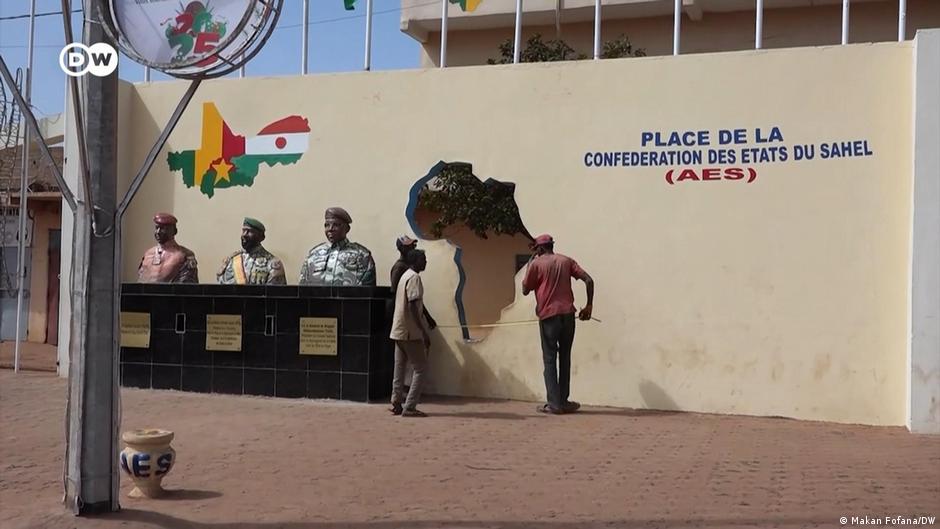
Togo strengthens its Sahel strategy amid shifting regional dynamics
Lomé has unveiled an updated approach to its Sahel policy, positioning itself as a key mediator between West African states led by military regimes and the international community. The move comes as violent extremism continues to reshape security landscapes across the region.
Three pillars of Togo’s revised Sahel policy
The Togolese government has structured its new strategy around three core objectives. First, it aims to reinforce regional cooperation to enhance collective security efforts. Second, Lomé seeks to facilitate dialogue conditions that could lead to sustainable peace. Finally, the country plans to support political normalization in neighboring states that experienced military takeovers.
Foreign Minister Robert Dussey emphasized that this approach addresses the urgent need for stability in the Sahel, where terrorist violence continues to escalate. “The situation demands immediate action,” he stated, highlighting the risk that instability in neighboring countries poses to regional security.
Security progress and challenges
Experts acknowledge Togo’s efforts to prevent the southward spread of armed groups and limit terrorist cell establishment within its borders. Jean Emmanuel Gnagnon, a researcher at the University of Lomé, noted that “compared to neighboring nations, Togo has demonstrated resilience against extremist influence.”
However, he cautioned that while previous initiatives bought time, they haven’t resolved the underlying crisis. “The measures prevented worse outcomes but didn’t eliminate the root causes of instability,” Gnagnon explained.
Mixed reactions to diplomatic engagement
Not all observers share this assessment. Madji Diabakaté, a political scientist, criticized Togo’s approach as overreaching. “Attempting to mediate between military regimes and democratic states without addressing core issues is like a frog trying to match a buffalo,” he argued.
Some Togolese citizens also question their government’s regional focus, believing domestic political stability should take priority. Critics argue that supporting military-led states may undermine regional democratic institutions like ECOWAS.
Despite skepticism, Dussey maintains that Togo’s strategy prioritizes “constructive relations with regional and international partners based on shared interests.”
Looking ahead: balancing security and diplomacy
As the Sahel crisis deepens, Togo’s evolving approach reflects a delicate balance between security imperatives and diplomatic ambitions. While the new strategy aims to position Lomé as a key player in regional stabilization, its effectiveness will depend on both internal and external factors beyond its control.