Lomé, Togo — The third edition of the Biashara Afrika panafrican forum opened this Monday with an unforgettable lesson in continental diplomacy gone awry.
The grand stage for celebrating the African Continental Free Trade Area (AfCFTA) and its promise of a unified market of 1.4 billion consumers turned into an unintended spectacle when two investors, one from Nigeria and another from Ghana, were denied entry despite holding valid West African passports.
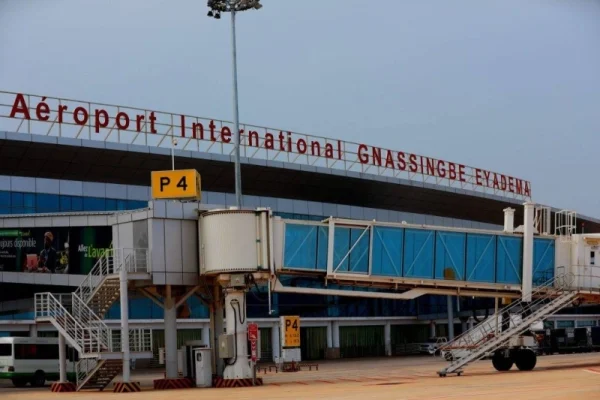
Under the watchful eyes of global investors and heads of state, their crime? Simply presenting their Ghanaian and Nigerian passports at Lomé’s Gnassingbé Eyadéma International Airport. The irony deepened when border officials demanded European passports or 24-hour visas as alternatives.
Dr. Jumoke Oduwole, Nigeria’s Minister of Industry, Trade and Investment, didn’t mince words. Speaking before a room of African leaders and financial titans, she recounted the bizarre episode involving high-profile investors who had just arrived from Europe the night before. One, a financial services investor, reportedly declared on the spot that he would reconsider any plans to invest in Togo.
“If a European investor faced such a situation within the EU, it would never happen. Yet here we are, at an African forum, watching our own integration ideals collapse at the first checkpoint.”
When bureaucracy undermines continental ambition
The incident exposed a harsh truth: despite decades of CEDEAO’s supposed free movement protocols, African investors face more hurdles than their European counterparts. The message is clear — in West Africa’s supposed logistics and finance hub, a European passport greases the wheels far better than a regional one.
Economists and business leaders at the forum were quick to condemn the contradiction. An Ivorian economist warned, “Without free movement of people, the AfCFTA is just empty rhetoric.” A Ghanaian entrepreneur added, “If we must carry European passports to do business in Africa, then integration is nothing but a slogan.”
Faure Gnassingbé’s 48-hour ultimatum
The spectacle was too glaring to ignore. Within hours, Togo’s President Faure Gnassingbé took direct action. Rejecting the usual slow-moving bureaucratic responses, he issued a public ultimatum to his Minister of Security:
“Resolve this anomaly within 48 hours.”
The deadline lands just before the forum’s close, putting immigration authorities on notice. The message: the airport’s border control must align with AfCFTA’s free movement principles — or face scrutiny from the continent’s top investors.
Can Lomé’s airport become a symbol of change?
Biashara Afrika 2026 had set out to dismantle non-tariff trade barriers across Africa. Ironically, the forum’s opening incident highlighted how deeply rooted bureaucratic obstacles remain. A single misplaced stamp at an airport tarmac now risks undermining billions in projected investments.
The next steps are critical: harmonizing visa policies, digitizing border procedures, and ensuring political will translates into action. As one delegate put it, “A continent that cannot let its own people in smoothly will struggle to attract outsiders.”
For now, all eyes are on Lomé — and whether the airport’s quick fix can signal a broader shift toward genuine integration.