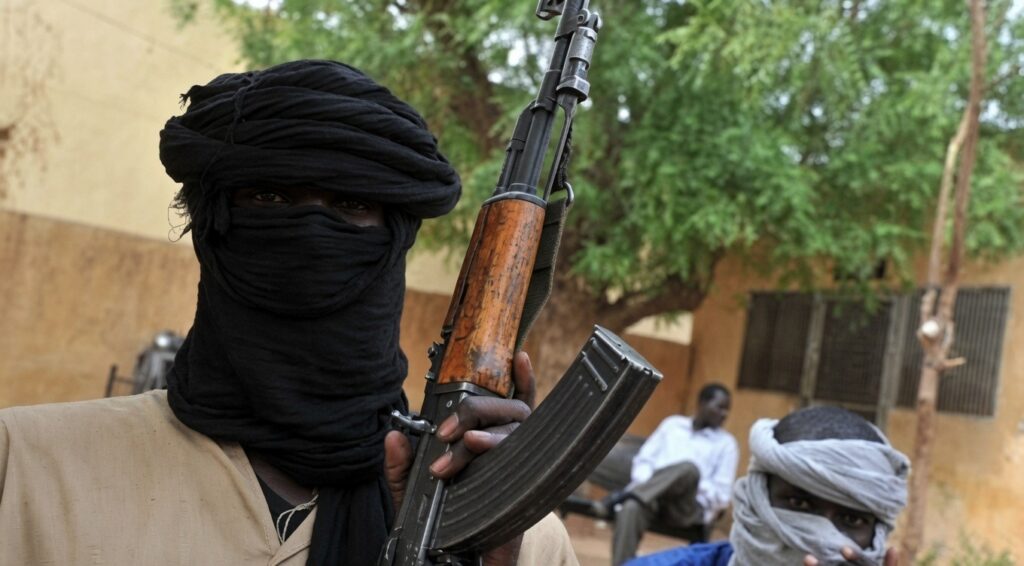
The Sahel-Saharan region has officially emerged as the primary focal point for global jihadism. Stretching from the western borders of Mali to the edges of the Lake Chad basin, millions of civilians are currently enduring life under the control of groups linked to Al-Qaeda or the Islamic State. For these populations, daily life is a struggle marked by bans on farming, extreme social regulations, and the constant threat of violence. However, the most concerning aspect of this crisis is not just the strength of the insurgents, but the evident lack of a coherent security policy to extinguish the flames across the Sahel.
A cycle of reaction and improvisation
State responses to a threat that moves seamlessly across the porous borders of the Sahel remain disjointed and poorly planned. Instead of implementing a unified and strategic military doctrine, governments often resort to knee-jerk reactions following major attacks. This fragmented approach fails to address the interconnected nature of the insurgency.
A robust security policy involves more than just purchasing military hardware or making bold claims on social media. It requires several critical components:
- Genuine and lasting strategic coordination between Sahel frontline states.
- A comprehensive plan to secure major transport routes and agricultural hubs to protect the rural economy.
- A territorial network supported by shared intelligence to anticipate enemy movements rather than simply reacting to destruction.
In the absence of such a strategy, a vacuum has formed, allowing armed groups to establish themselves as the primary administrators, collecting taxes and governing vast territories.
The limitation of purely military solutions
Another major flaw in the current Sahel security landscape is the belief that the crisis can be resolved through force alone. By neglecting “human security”—which includes the restoration of schools, health clinics, and impartial justice—governments are inadvertently helping jihadist recruiters. Military operations, even when successful in the short term, often fail to produce lasting results because there is no long-term vision for state return. When the military withdraws, extremist groups often return with deeper roots in local communities.
The need for a strategic shift
The situation observed from Mali to Lake Chad serves as a grim warning. An organized, global insurrection cannot be defeated with improvisation and shifting alliances. Unless Sahel leaders develop a comprehensive, coordinated, and evidence-based security policy, political rhetoric will continue to ring hollow while the region continues to slip into the hands of armed factions.