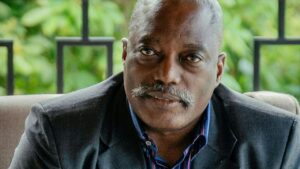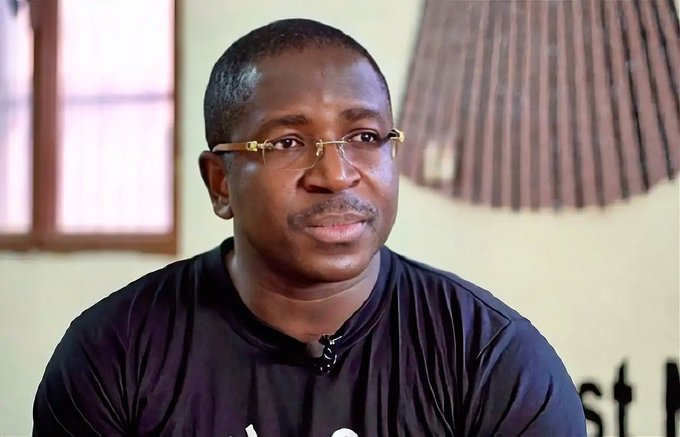
The case of Guy Hervé Kam continues to raise numerous questions in Burkina Faso. The lawyer, co-founder of the Balai Citoyen civic movement and president of the Sens political movement, was admitted to hospital at the beginning of June after experiencing health problems, while he has been held in custody since January 2024 without yet facing trial.
A well-known figure in Burkinabe civil society, Guy Hervé Kam was arrested in a context marked by a hardening of the political and security climate in the country. More than a year and a half after his apprehension, no trial date has been made public, fueling concerns among his relatives, his lawyers, and several human rights organisations.
The prolonged detention of a political personality without a trial raises fundamental questions about respect for judicial guarantees. The Constitution of Burkina Faso, as well as the country’s international commitments, including the African Charter on Human and Peoples’ Rights and the International Covenant on Civil and Political Rights, enshrine the right of every individual to be tried within a reasonable time and to benefit from a fair trial.
Concerns have intensified with the announcement of his hospitalisation. His supporters fear that prolonged detention, combined with the deterioration of his health, will further aggravate his situation. Several observers recall that access to medical care constitutes a fundamental right for any person deprived of liberty.
Since the arrival of the transitional authorities in power, several critical voices, political leaders, journalists, and civil society actors have been subjected to arrests or restrictive measures. Organisations such as Amnesty International and Human Rights Watch have already warned about the reduction of civic space in Burkina Faso and the encroachments on public freedoms observed in recent months.
For many human rights defenders, the Guy Hervé Kam affair now transcends his personal case. It raises the broader question of the independence of the judiciary, respect for the rule of law, and the place afforded to political pluralism in a country facing serious security challenges.
While awaiting a possible appearance before the courts, the hospitalisation of the opposition figure highlights the need to guarantee for every detainee conditions consistent with the fundamental principles of human rights, regardless of their political opinions.