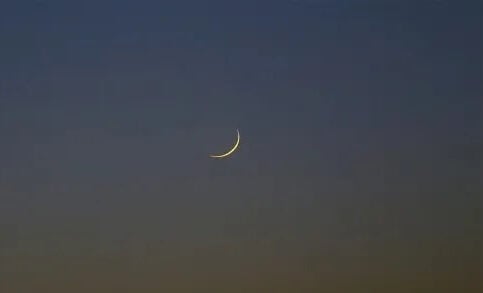
Tabaski in Senegal set for may 28 after lunar crescent not sighted
Observers in Senegal failed to sight the new moon marking the start of Dhul Hijja, pushing the Tabaski celebration to Thursday, May 28, 2026. This decision follows local lunar observation protocols and reflects ongoing differences in how Muslim-majority nations determine religious dates.
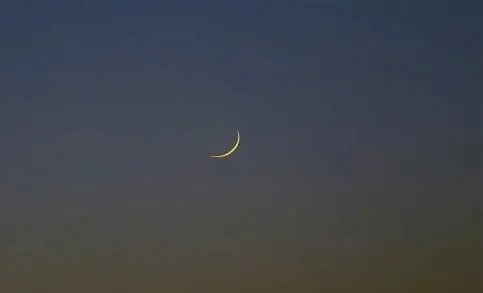
The National Astronomy and Observation Committee (CONACOC) confirmed the new moon for Dhul Hijja 1447 was not visible in Senegalese skies on Sunday, May 17, 2026. In accordance with local traditions, the sighting of the crescent moon plays a critical role in establishing religious calendars across West African Muslim communities.
Arafat Day will be observed on Wednesday, May 27, 2026, followed by the Tabaski feast on the following day. This timeline aligns with the majority of Senegalese Muslim communities but contrasts with some neighboring countries that may rely on alternative observation methods or astronomical calculations.
The discrepancy in Tabaski dates between nations highlights the ongoing debate between traditional lunar sighting and modern astronomical predictions. While some countries prioritize direct observation, others adopt pre-calculated schedules based on scientific data, leading to variations in religious observances.