Sonko’s Friday Address: A Pivotal Moment for Senegal’s Electoral Future
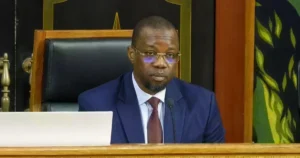
This Friday, Ousmane Sonko is set to address the National Assembly in a session that promises to be particularly charged, following recent amendments to the Electoral Code. The political climate remains tense as opposition voices challenge these reforms, which could reshape the electoral landscape of Senegal.
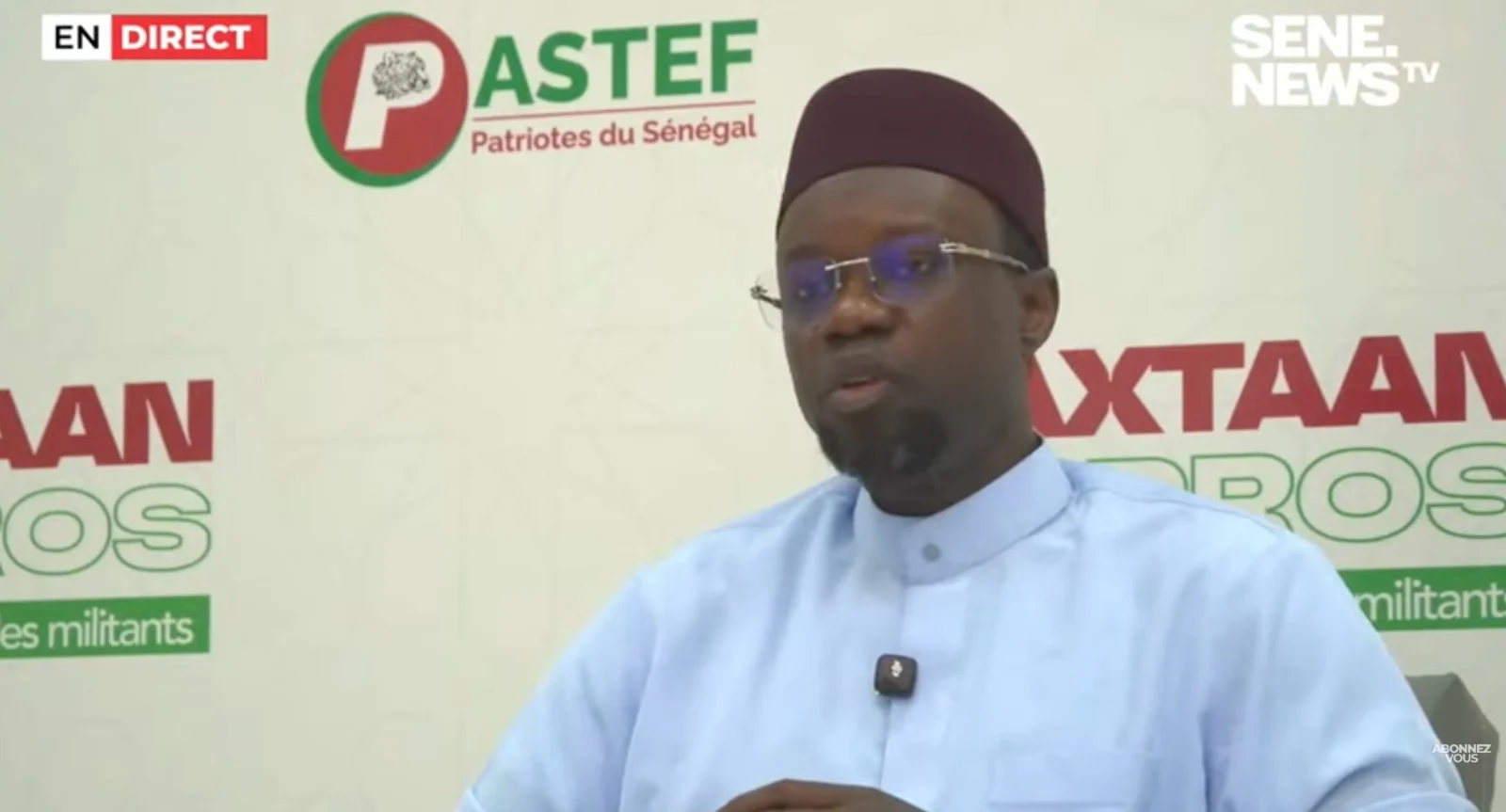
Ousmane Sonko, Senegal’s Prime Minister, will take center stage during the traditional Questions to the Government session, a platform where ministers respond to parliamentary inquiries. This appearance follows the adoption and enactment of amendments to Articles L.29 and L.30 of the Electoral Code, a move that has sparked intense debate across the political spectrum.
The National Assembly has confirmed that the session will unfold against a backdrop of heightened political tension, with the reforms at the heart of the controversy. Critics argue that the changes could significantly impact eligibility criteria and civil rights, raising concerns about their potential consequences for future elections.
As the head of government, Sonko is expected to justify the Executive’s position, defending both the legal coherence and legitimacy of the newly adopted texts. The opposition has already vowed to scrutinize every detail, particularly the implications of these amendments on upcoming polls. While the session’s official agenda includes pressing national issues such as the economy, security, and social welfare, the Electoral Code debates are likely to dominate discussions.
Balancing Political Reform with Economic Stability
Beyond the political fray, Senegal faces a delicate economic and social context. The controversies surrounding the Electoral Code amendments add another layer of complexity to the country’s already challenging environment. The government must now reassure both domestic and international stakeholders about the stability of institutions and the continuity of economic policies.
With global geopolitical tensions showing no signs of easing, particularly in the Middle East, Senegal’s ability to maintain investor confidence and economic resilience is under the microscope. The Prime Minister’s address will be closely watched for signals of how the government plans to navigate these challenges without compromising the nation’s stability or growth prospects.