Sonko’s remarks ignite debate over France-Senegal football identity
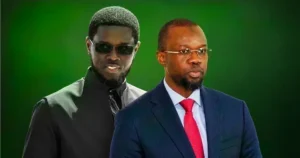
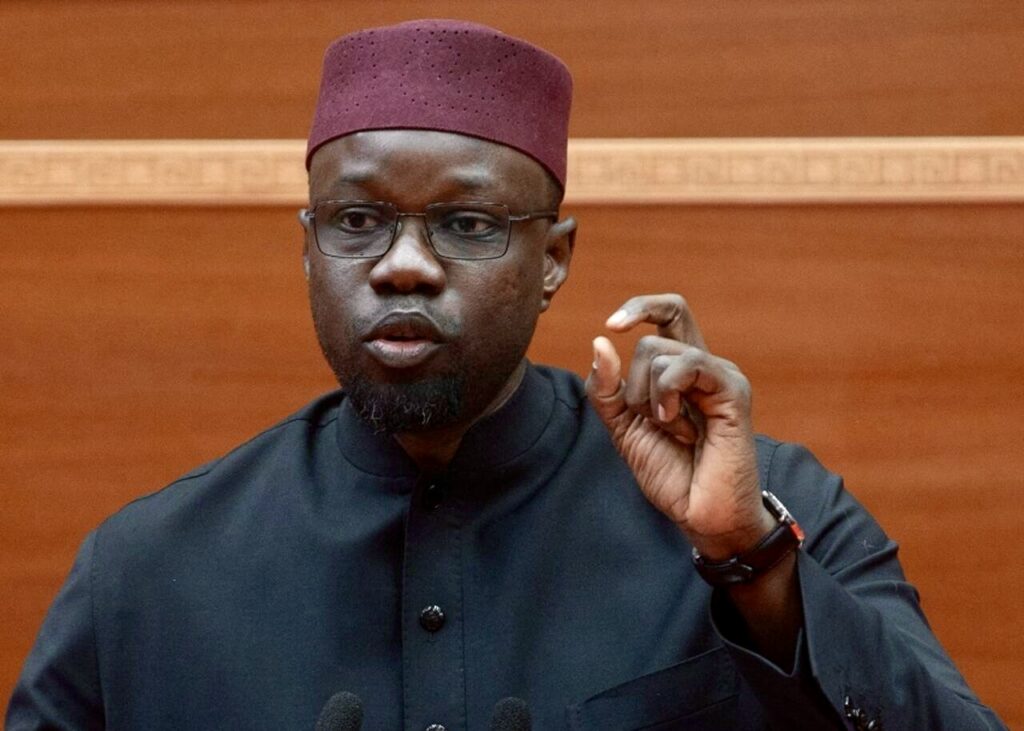
As the France-Senegal showdown approached, a single statement by Ousmane Sonko, President of Senegal’s National Assembly, reignited a long-standing debate about identity and nationality in football. By declaring that “regardless of the winner, it is Africa that will have defeated Africa,” he echoed a contentious narrative—one that reduces Black players in the French team to their African roots rather than their French nationality. This rhetoric, once championed by far-right figures in Europe, now echoes from one of Senegal’s most prominent political leaders.
- identity debate
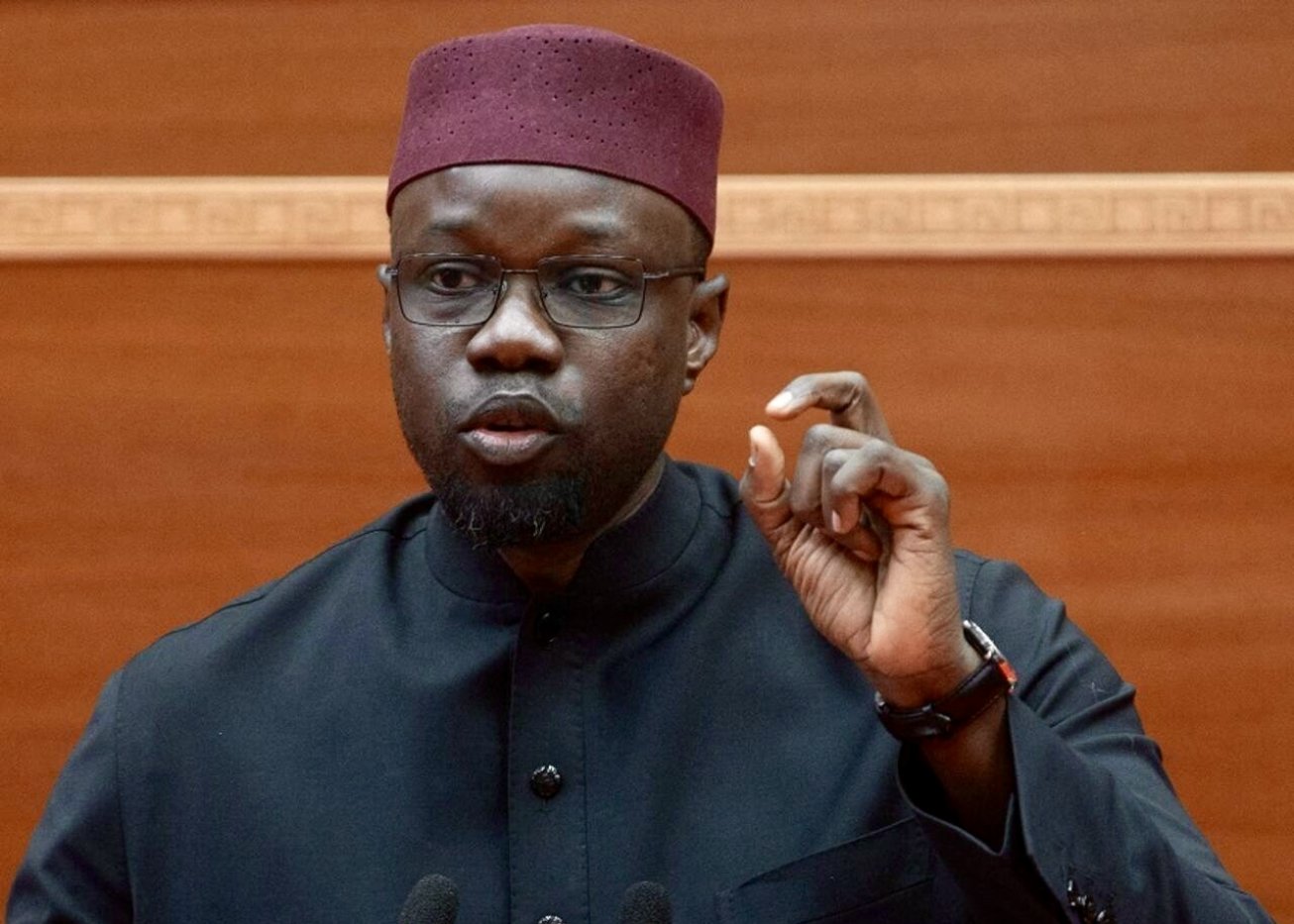
The statement, “regardless of the winner, it is Africa that will have defeated Africa,” delivered just before the World Cup clash between France and Senegal, was interpreted by some as a panafricanist declaration. Yet the phrase carries a troubling implication: that players of African descent in the French team are fundamentally African first, French second. This idea, which has festered in certain political and social circles for decades, gained renewed attention when voiced by a high-ranking Senegalese official.
Who exactly are these players?
The French national team competing in this World Cup is composed entirely of French citizens. Most were born in France: Kylian Mbappé in Paris, Ousmane Dembélé in Vernon, Aurélien Tchouaméni in Rouen, William Saliba in Bondy, Dayot Upamecano in Évreux, Ibrahima Konaté in Paris, Rayan Cherki in Lyon, Bradley Barcola in Villeurbanne, Désiré Doué in Angers, and Warren Zaïre-Emery in Montreuil. They grew up in French schools, trained in French clubs, and rose through the ranks of French youth systems before earning their place in the senior squad. Their footballing journey is unmistakably French—financed, structured, and developed within France’s sporting institutions.
France’s footballing identity extends beyond metropolitan borders. Territories like Guadeloupe, Martinique, French Guiana, and Réunion have long contributed to the national team. Players like Jocelyn Angloma (Guadeloupe), Dimitri Payet (Réunion), and others with roots in these regions are as French as their counterparts born in mainland cities. To claim that a French victory would be an African victory is to deny these players their French identity, reducing them instead to their ancestry.
A decades-old controversy resurfaces
In 1996, far-right leader Jean-Marie Le Pen sparked outrage by questioning the loyalty of Black players in the French team, calling them “naturalized foreigners” and suggesting they didn’t sing *La Marseillaise*. Didier Deschamps, then captain, dismissed the remarks outright: “Le Pen is talking nonsense.” Prime Minister Alain Juppé stood firmly behind the team, praising their representation of France. Yet the same logic persists today, repackaged in new forms.
Éric Zemmour, repeatedly convicted of hate speech, has long argued that the presence of Black players in the French team reflects a shift in national identity. The message remains consistent: some French citizens are less French because of their heritage. After France’s 2018 and 2022 World Cup finals, Argentine fans chanted in stadiums that the French team was “African,” not French—a racist denial of identity that was widely condemned. When a Senegalese political leader echoes this reasoning, the implications are just as troubling.
Why this logic falls short
The French Football Federation doesn’t select players based on race or ancestry. It selects the best available talent—players like Mbappé and Tchouaméni, who wear the blue jersey not because of their roots, but because they are French and among the world’s finest. France has never demanded that its players choose between heritage and nationality; it asks only that they represent their country with pride.
Ousmane Sonko is not Jean-Marie Le Pen or Éric Zemmour, but his statement inadvertently reinforces a narrative that defines French players by their origins rather than their citizenship. For a leader of his stature—a former Prime Minister and current Assembly President—this framing carries weight. By celebrating Africa at the expense of individual identity, the remark risks overshadowing a simple truth: these are French players representing France, because they are French.
A final thought: during the 2002 World Cup, Senegal defeated France with a team where 20 of 23 players were based in French clubs, some born in France, and led by French coach Bruno Metsu. If Sonko’s logic were applied then, would Senegal’s victory have also been France’s? Of course not. Those players represented Senegal, just as the current French team represents France today. The flaw in Sonko’s argument lies in this very contradiction.