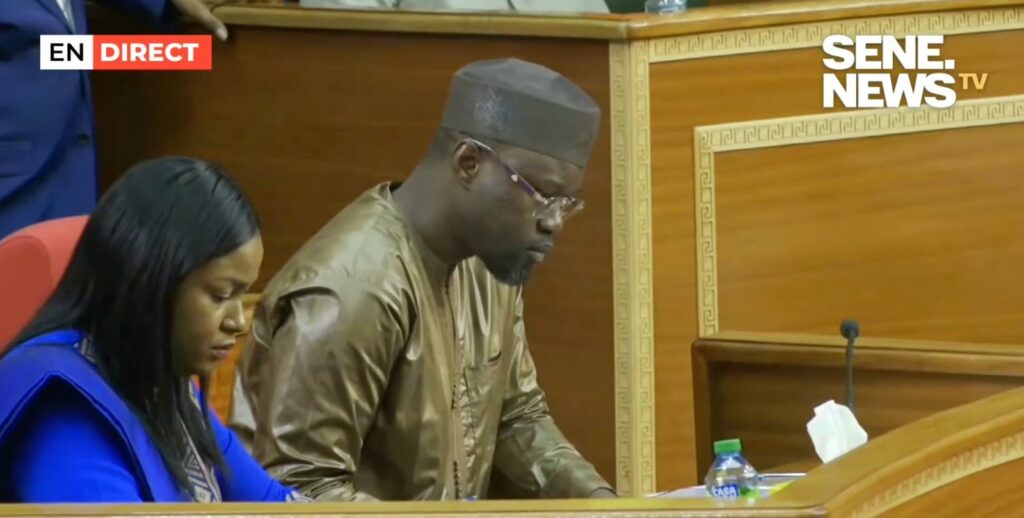
Dakar, Senegal — Prime Minister Ousmane Sonko has launched a sweeping crackdown on excessive international travel by senior government officials and state-owned enterprise executives, signaling a new era of fiscal discipline in public administration.
In a decisive move to curb what he describes as unjustified spending sprees, Sonko has introduced stringent restrictions on overseas missions, particularly targeting ministers and directors-general of public entities. The measures come as part of broader efforts to streamline administrative expenditures and reinforce accountability within the government’s ranks.
Closely monitored foreign assignments
The Prime Minister confirmed that ministerial travel requests now face near-automatic rejection unless deemed absolutely necessary. However, he admitted that director-generals, who often report to sectoral ministries, have operated with minimal oversight in the past. Sonko lamented this loophole, stating, « Many directors-general bypassed proper validation, spending weeks abroad on what appeared to be discretionary trips rather than essential missions. »
To address the issue, Sonko ordered an audit of travel logs from the past three months. The findings revealed staggering figures: some directors-general spent up to 30 days of a 90-day quarter abroad, raising serious questions about productivity and resource allocation. The Prime Minister described the revelations as « eye-opening and deeply troubling. »
Reforms to tighten oversight
In response, Sonko announced sweeping reforms to the foreign travel authorization system. Under the new rules, all overseas missions by directors-general must now receive direct approval from the Prime Minister’s office, eliminating the previous layer of bureaucratic delegation. Sonko emphasized that this change is part of a larger initiative to « restore trust in public institutions » by ensuring every trip aligns with national priorities.
The Prime Minister’s intervention reflects growing public frustration over perceived extravagance in government spending. Critics have long argued that unchecked international travel has drained state coffers, with little transparency on how these trips benefit the nation. Sonko’s crackdown signals a firm stance against such practices, reinforcing his reputation as a reformist leader determined to overhaul governance norms.
As the new measures take effect, officials are bracing for stricter scrutiny of their travel plans. The government has yet to release detailed guidelines, but Sonko’s recent statements suggest that compliance will be non-negotiable. For senior administrators accustomed to relative autonomy, these changes mark a significant shift in how public service is conducted.