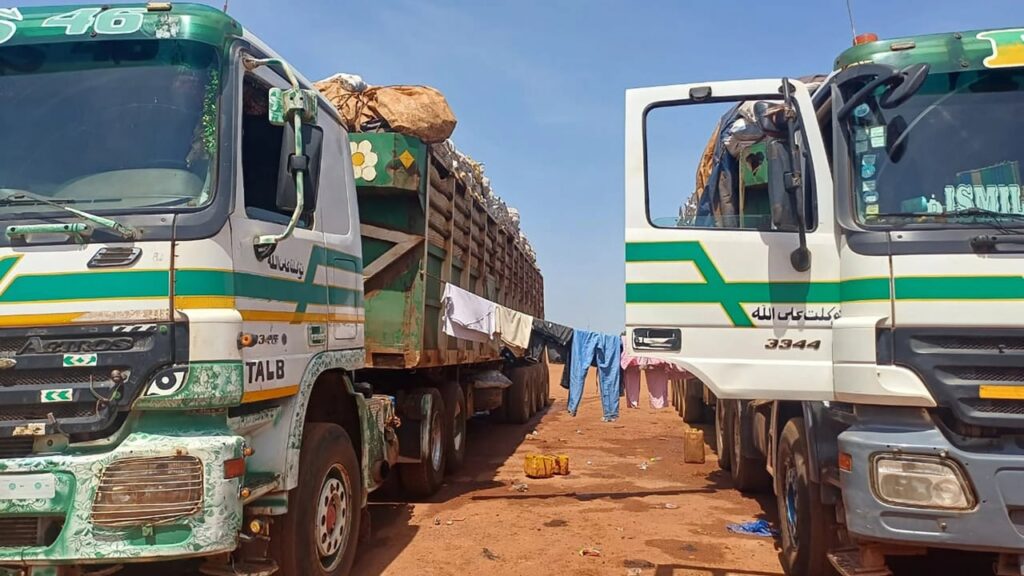

The vital trade route linking Senegal and Mali, stretching from Dakar to Bamako, has ground to a halt. Trucks and commercial vehicles are stranded at the Kidira border crossing, a critical chokepoint for goods traveling between the two nations. The disruption has left transporters scrambling for solutions as supply chains face immediate strain.
what’s blocking the Dakar-Bamako corridor?
The halt in traffic stems from escalating tensions at the Senegal-Mali border. Authorities have tightened controls, citing security concerns in the region. Kidira, a key transit hub, has become a flashpoint where delays stretch into days. Transporters report being held up indefinitely, with no clear timeline for when the route will reopen.
Local officials have not issued formal statements, but eyewitness accounts confirm the border remains tightly sealed. The situation has forced logistics companies to reroute shipments through alternative paths, adding costs and time to deliveries.
impact on trade and transport
- Delays and cancellations: Shipments of food, fuel, and manufactured goods are piling up at warehouses on both sides of the border.
- Rising costs: Rerouting through longer detours has driven up transport expenses by nearly 40%, squeezing profit margins for small operators.
- Food shortages: Markets in southern Mali are already feeling the pinch, with staple foods like rice and cooking oil becoming scarce.
- Frustrated transporters: Drivers stuck in limbo warn of financial losses if the blockade persists.
how are businesses adapting?
With the traditional route blocked, companies are exploring creative workarounds. Some are shifting to air freight for high-value cargo, while others are testing rail links through Burkina Faso, though these options remain limited. The West African Economic and Monetary Union has called for dialogue to resolve the impasse, emphasizing the need for regional stability.
“This is a crisis for our supply chain,” said a logistics manager in Dakar. “We’re doing everything we can to keep goods moving, but the longer this lasts, the harder it becomes.”
what’s next for the Dakar-Bamako road?
Negotiations are underway to ease restrictions, but progress remains slow. Transport unions in both countries have demanded immediate action to restore the corridor’s functionality. The Groupe de soutien à l’islam et aux musulmans (JNIM) has not claimed responsibility for the border closures, and no militant group has issued threats related to the halt in traffic.
The coming days will be critical. If the blockade persists, the economic fallout could ripple across West Africa, affecting everything from food prices to regional trade agreements. For now, transporters and traders wait—and plan—for the road to reopen.