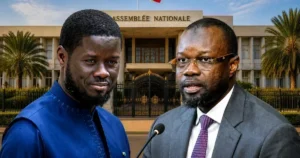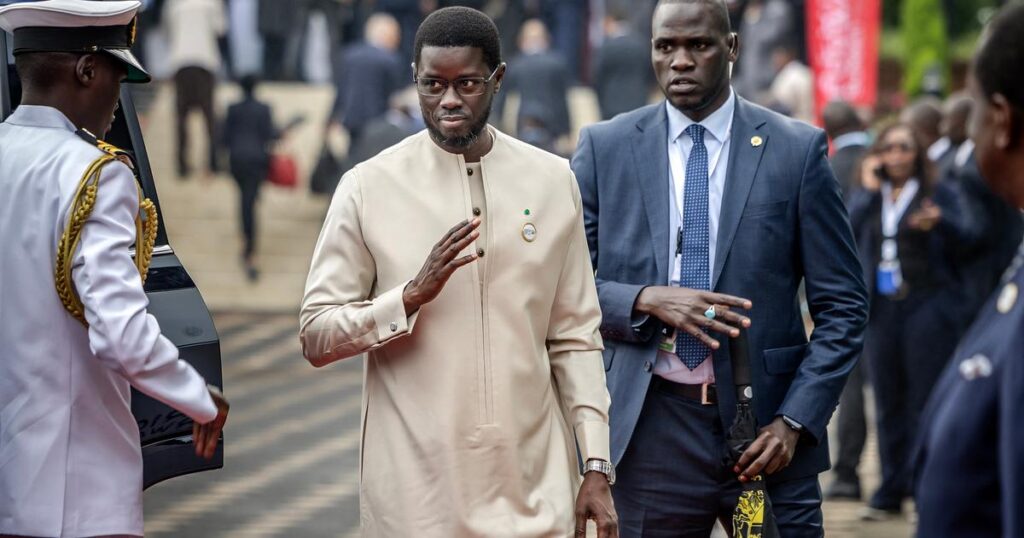
In a political landscape marked by unprecedented swiftness, Senegal underwent a significant institutional reshuffle between May 22 and May 26. On May 22, President Bassirou Diomaye Faye dismissed Prime Minister Ousmane Sonko. By May 25, Ahmadou Alhaminou Mohamed Lô had been appointed to replace him. The following day, Sonko was elected as President of the National Assembly, marking a dramatic shift in the country’s political center of gravity.
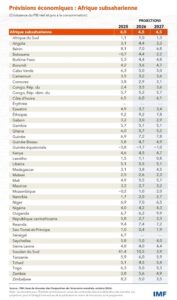
With the nation grappling with a severe financial and economic crisis, the question arises: Could this new configuration tilt decision-making in favor of the International Monetary Fund (FMI)? The stakes are high. As economist Abdoulaye Ndiaye warned in a widely circulated opinion piece, “Senegal is on the brink of a financial precipice.”
The country’s public debt has ballooned to 132% of its GDP, while rising energy costs—exacerbated by disruptions in the Strait of Hormuz—have cast further doubt on its ability to meet debt obligations. Until recently, restructuring efforts recommended by the FMI faced staunch opposition from the Patriotes africains du Sénégal pour le travail, l’éthique et la fraternité (Pastef) party. However, with the new administration now in place, observers suggest a potential realignment in economic policy.