Senegal’s youth grapple with fallout of Diomaye-Sonko split
June 2, 2026
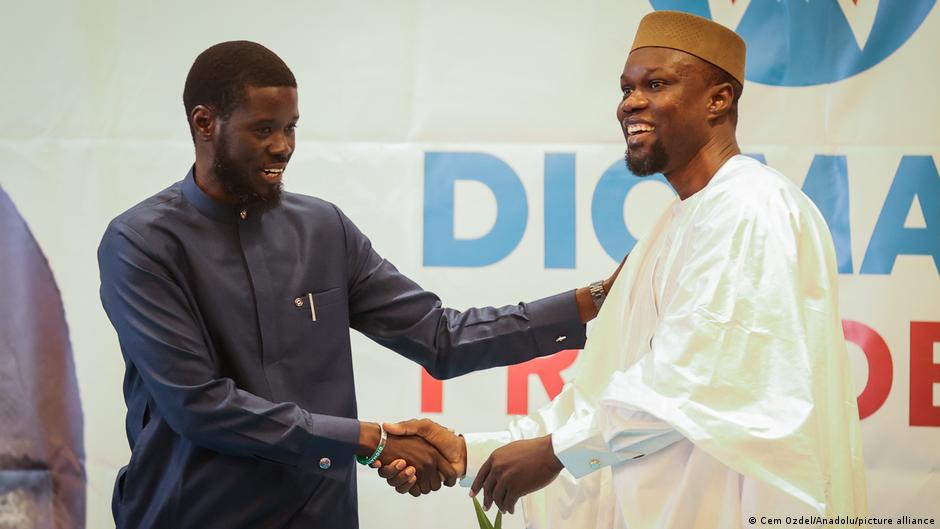
The announcement of Senegal’s new cabinet on Monday marked a definitive break from the alliance that once defined the nation’s political landscape. Hours earlier, Ousmane Sonko, leader of the ruling Pastef-Les Patriotes party, declared that none of his party’s members would be included in the government.
This move solidifies the rift between President Bassirou Diomaye Faye and his former ally, Sonko, signaling the end of a partnership that had promised sweeping reforms. Yet for many young voters, particularly at the University Cheikh Anta Diop in Dakar, the split remains difficult to accept.
Frustration grips students over broken promises
Under the shade of towering trees on the university campus, Amath Segnane reviews his notes. Like countless others, he had placed his faith in the unity between Diomaye and Sonko—a duo that represented a fresh start for Senegal.
The student’s disappointment is palpable. “They sold us a vision of unity—Diomaye and Sonko, hand in hand, steering our nation toward progress. But now? A divorce. How can we not feel betrayed?” he asks, his voice tinged with frustration.
To him, the breakdown challenges the very narrative of solidarity that fueled their rise to power.
Some argue the split was inevitable
Mamadou Bah, a student at the Faculty of Economics and Management, takes a different view. He believes tensions between the two leaders had simmered for months.
“It was clear the former Prime Minister was no longer respecting the chain of command. He acted as though he were above the President himself. His removal—and the end of their alliance—was only a matter of time.”
Though disappointed by the turn of events, Bah supports President Diomaye Faye’s decision to reclaim executive control.
Hope persists despite political fractures
Not everyone is ready to accept the finality of the split. Omar Sarr, an Arabic studies student, still clings to the hope of reconciliation.
“Without Sonko, Diomaye would never have reached the presidency. They fought side by side for years. To say they’re done? I refuse to believe it,” he insists.
Today, President Diomaye Faye governs without the backing of his former party, while Ousmane Sonko, now Speaker of the National Assembly, leads the opposition. This new political reality continues to spark debate across Senegal, leaving many to question what lies ahead.