
Time pressure mounts as Senegal braces for local elections
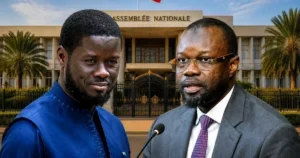
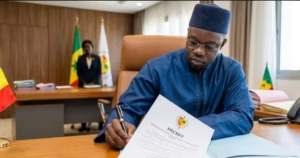
With Senegal’s local elections looming, President Bassirou Diomaye Faye faces a critical juncture. Political analyst Babacar Ndiaye has issued a stark warning: the country’s political clock is running out, and every delay in holding the vote risks deepening instability across the nation.
Babacar Ndiaye’s assessment: a race against time
Babacar Ndiaye, a prominent political observer, has publicly cautioned that the postponement of Senegal’s local elections is placing unprecedented strain on the administration of President Faye. Ndiaye emphasizes that the delayed electoral process is not merely a bureaucratic hurdle but a potential catalyst for broader economic and social challenges.
The analyst points to the growing frustration among citizens and local leaders over the prolonged uncertainty. Businesses, too, are feeling the squeeze, with stalled development projects and delayed infrastructure investments creating ripple effects throughout the economy.
What’s at stake for President Faye
For President Faye, the upcoming local elections represent more than just a test of political endurance—they could redefine his presidency. A strong showing in these elections could reinforce his party’s influence in key regions, while a poor performance might embolden opposition voices and weaken his mandate.
The elections also serve as a barometer for public sentiment. How Senegalese voters respond to the extended wait for local representation could signal broader trends in governance and accountability.
Economic fallout: a delayed vote’s hidden costs
The postponement of local elections has tangible consequences. Municipal budgets remain frozen, preventing mayors and local councils from implementing essential services. Investment in critical infrastructure—such as healthcare, education, and transportation—has stalled, leaving communities in limbo.
Small businesses, already grappling with inflation and supply chain disruptions, now face additional uncertainty. Delayed funding for local development projects has left entrepreneurs in the dark about future opportunities, stifling growth and job creation.
Regional implications: Senegal’s political stability
Beyond the immediate effects on governance, Senegal’s political stability is under scrutiny. Neighboring countries are watching closely, particularly as the West African region grapples with its own set of political challenges. A smooth electoral process could bolster Senegal’s image as a stable democracy, while further delays may raise concerns about the country’s ability to manage transitions peacefully.
Next steps: Can Senegal’s leaders turn the tide?
The pressure is on for President Faye and his administration to navigate this delicate moment. With Babacar Ndiaye’s warning echoing across political circles, the stakes have never been higher. The coming weeks will determine whether Senegal can break free from its electoral gridlock—or succumb to the mounting challenges of delay.
Key takeaways for voters and leaders
- Citizens: Local elections will shape the future of your community. Advocate for transparency and accountability in the process.
- Businesses: Prolonged uncertainty threatens growth. Push for clear timelines to unlock stalled projects.
- Political leaders: Time is not on your side. Swift action is needed to restore confidence and stabilize governance.