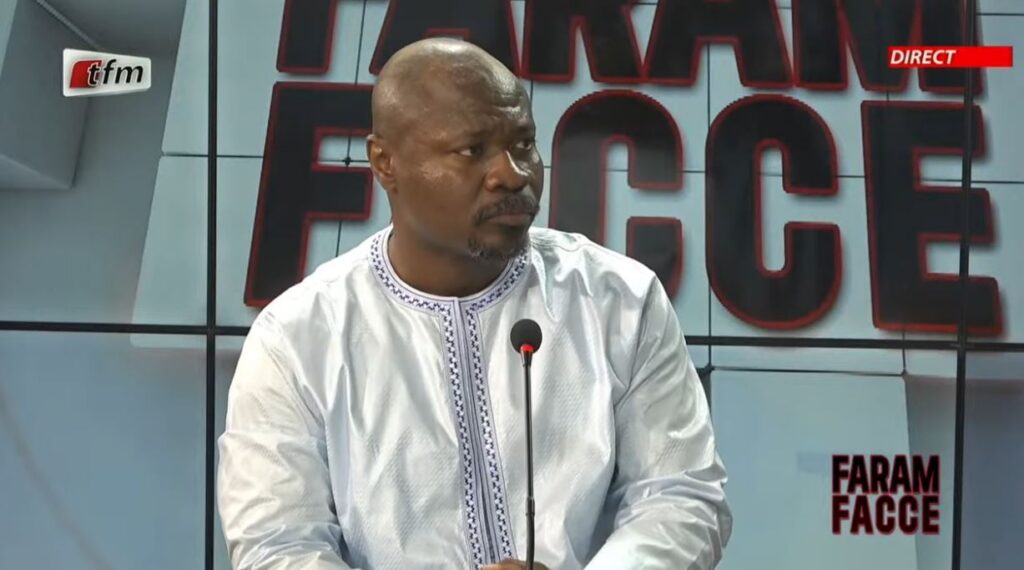
Senegal’s political landscape is witnessing a fresh wave of debate following sharp criticism from Member of Parliament Guy Marius Sagna regarding the framework and objectives of the National Dialogue initiated by President Bassirou Diomaye Faye. Sagna’s remarks have cast doubt on the process’s ability to bring about meaningful change, citing concerns over its legal structure and alignment with the public’s needs.
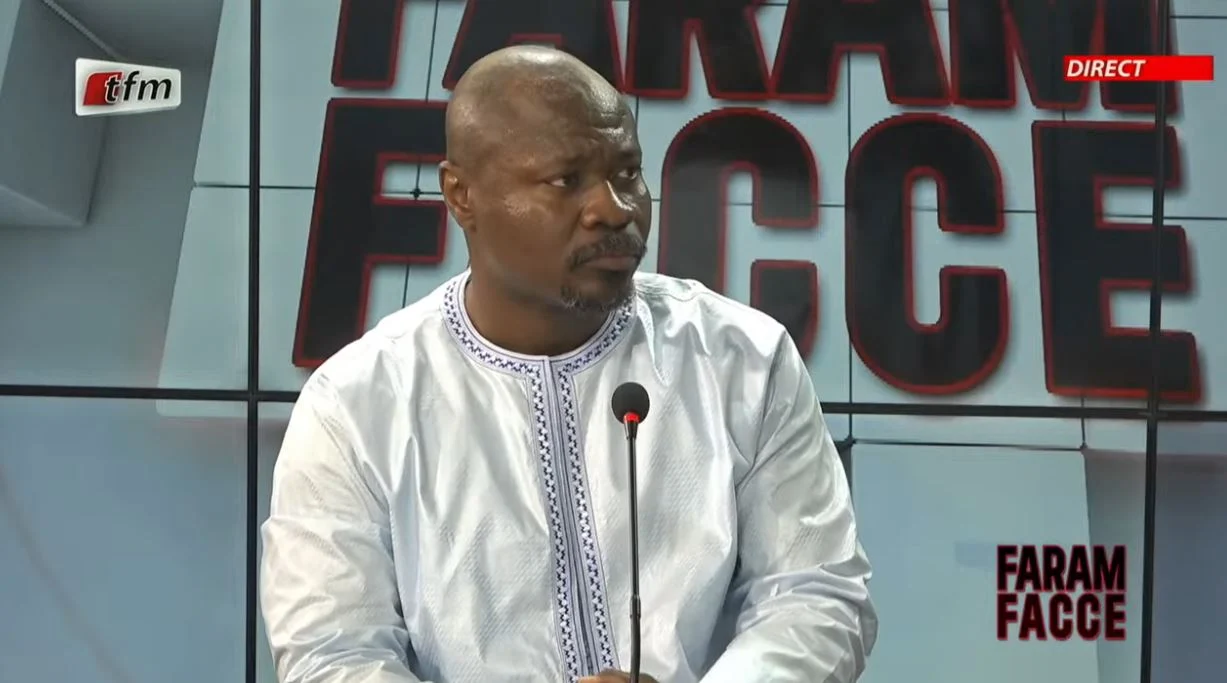
In a widely circulated statement, Sagna argued that ‘you cannot steer a revolution with colonial or neocolonial tools,’ directly referencing the legal instruments governing the dialogue process. He contended that the current framework lacks the depth required for structural transformation, instead serving narrow political interests disconnected from public priorities.
Challenges to the 2016 decree
The legislator did not spare the 2016 decree regulating the National Dialogue, describing it as outdated and incompatible with contemporary demands. He advocated for its repeal, urging the adoption of more inclusive, locally rooted mechanisms that engage territorial communities, municipal councils, and the National Assembly. For Sagna, the existing decree risks undermining the transformative agenda championed by the current administration.
Beyond structural critiques, the MP questioned the dialogue’s underlying motives, suggesting it could be manipulated as a political maneuver to either include or exclude certain actors ahead of upcoming elections. He emphasized that the process, as currently designed, may fall short of delivering the sovereignty and citizen-centric outcomes it claims to pursue.
Sagna’s intervention arrives amid intensifying discussions about the National Dialogue’s organization and implementation, underscoring the urgency of aligning the process with the aspirations of Senegal’s people.