The recent enactment of Senegal’s revised electoral code has ignited a fiery political debate, drawing sharp criticism from independent voices within the National Assembly. Tafsir Thioye, a prominent non-aligned lawmaker known for his sharp critiques of the government, held a press conference to dissect the newly adopted legislation. This move comes at a pivotal moment, as political stakeholders assess the implications of the reform ahead of potential local and legislative polls in the coming months.
Revised electoral rules fuel opposition backlash
The legislative amendments, spearheaded by the ruling majority, introduce sweeping changes to Senegal’s electoral framework. Critics, including Tafsir Thioye, argue that the reforms tilt the playing field in favor of the incumbent coalition by altering voter eligibility thresholds and dispute resolution mechanisms. The president’s signature on the bill has been interpreted by some opposition factions as a decisive break from Dakar’s long-standing tradition of consensus-based governance.
Thioye, who operates outside the confines of the two dominant parliamentary blocs, occupies a unique position. Neither fully aligned with opposition parties nor swayed by presidential allegiance, he champions an independent stance. His press briefing underscores a deliberate strategy to leverage this independence to challenge the reform’s technical and political underpinnings.
Tafsir Thioye: a lone voice reshaping parliamentary dynamics
Thioye’s emergence as a dissenting figure reflects a subtle yet significant shift in Senegal’s parliamentary landscape. Non-aligned deputies, often sidelined in major coalitions, play a crucial role in sensitive debates. On electoral matters, their influence is magnified, as every vote carries weight in shaping the rules governing democratic processes.
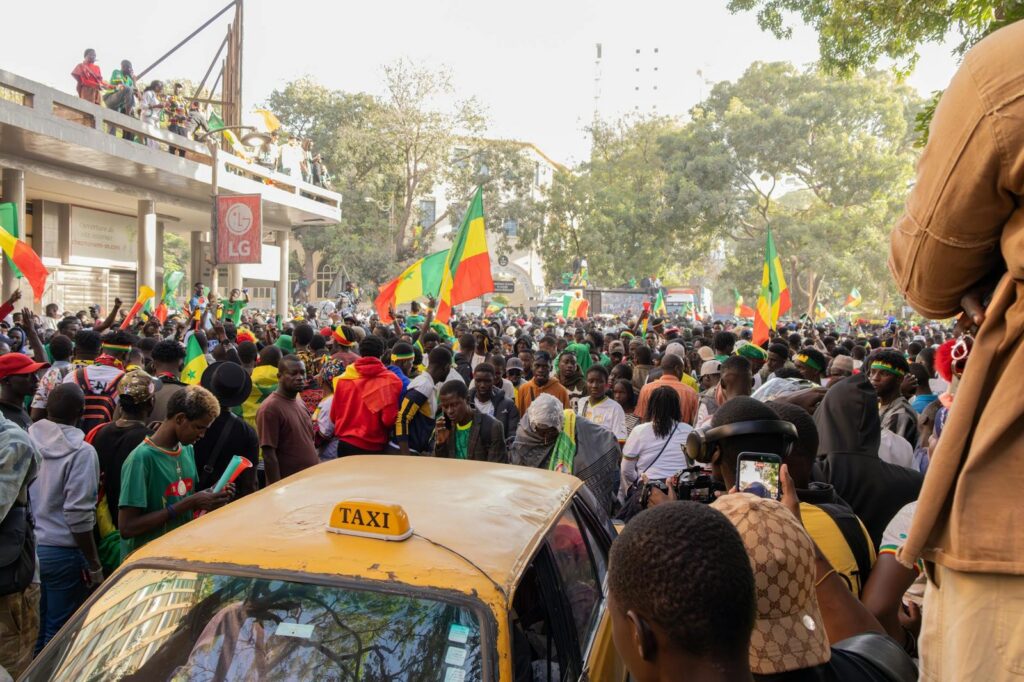
By addressing the media, Thioye aims to transcend the confines of the National Assembly, bringing the dispute into the public sphere. This approach resonates in Senegal, where private radio stations, digital platforms, and print media serve as vital amplifiers for political discourse. Whether his intervention will galvanize other lawmakers into a unified stance—or prompt legal challenges before the Constitutional Council—remains an open question.
Dakar’s electoral framework under scrutiny
The controversy surrounding the electoral code reform extends beyond individual opinions, raising fundamental questions about Senegal’s institutional stability. Once hailed as a democratic model in West Africa, the country now faces intense scrutiny over its legislative decisions in the run-up to key electoral cycles. The ability of Senegal’s institutions to address dissent without fracturing will be critical in maintaining its credibility on the regional stage, particularly within the Economic Community of West African States (ECOWAS) and among international partners.
Diplomatic and economic circles are closely monitoring these developments. Persistent uncertainty over Senegal’s institutional trajectory inevitably influences perceptions of country risk, especially as Dakar seeks to reinforce its regional hub status. Investors in sectors like hydrocarbons, telecommunications, and infrastructure are particularly attuned to political stability, making the current debate a high-stakes affair where politics and economics intersect.
The timing of Thioye’s public intervention could mark the beginning of a broader mobilization against the reform—or fade into obscurity without sufficient support. The coming weeks will reveal whether parliamentary opposition translates into street protests, legal challenges, or electoral consequences.