Bambali’s agricultural transformation begins with Mané and Sonko
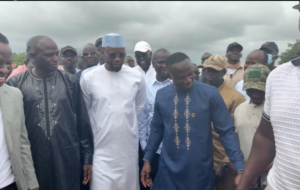
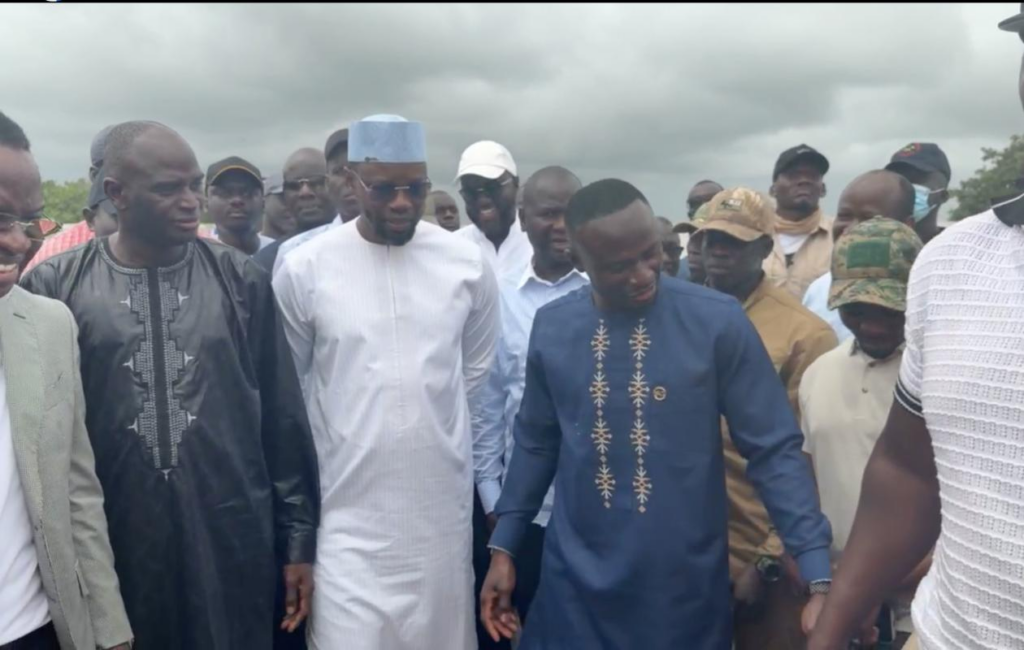
Sadio Mané, Senegal’s football icon, and Ousmane Sonko, President of the National Assembly, marked a milestone in Bambali’s economic future by jointly inaugurating the SM10 Agro park—a 11.7 billion FCFA (€17.8M) agro-industrial project.
The groundbreaking ceremony in Bambali, Sédhiou region, signals the official launch of a facility designed to revolutionize local agriculture, with a focus on mango processing. Sonko joined Mané and other high-ranking officials, including Minister of Trade Serigne Guèye Diop, to celebrate the start of construction.
Investment and employment: the numbers behind the project
The agro-industrial complex promises transformative impact with 8,500 tonnes of mango processing capacity annually and the creation of over 1,000 direct jobs. Long-term projections aim for 2,500 jobs, positioning the park as a catalyst for economic growth in one of Senegal’s most agriculturally vibrant regions.
Speaking at the event, Mané emphasized the project’s dual purpose: empowering local farmers and turning Bambali into a model for agricultural innovation in Senegal’s Casamance zone.
From farm to factory: how the park will reshape Sédhiou
The facility will process and add value to locally grown mangoes, reducing post-harvest losses and increasing farmer incomes. By integrating processing, packaging, and export-ready standards, the park aims to elevate Sédhiou’s mango into a premium regional brand.
The initiative also aligns with national policies promoting rural industrialization and food self-sufficiency, reinforcing the government’s commitment to agriculture as a driver of development.
Bambali’s new chapter: football meets agribusiness
Bambali, Mané’s hometown, becomes the epicenter of a bold experiment where sports, community development, and industrial enterprise converge. The project reflects a growing trend of African athletes leveraging their influence to foster sustainable economic ventures beyond sports.
The park’s development is scheduled to unfold in phases, with completion expected within three years—ushering in a new era of opportunity for Sédhiou’s agricultural sector.