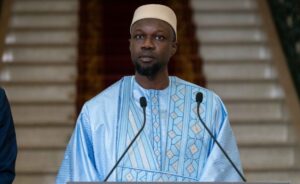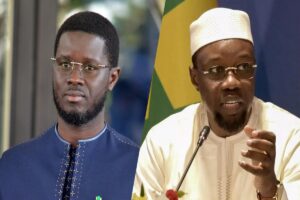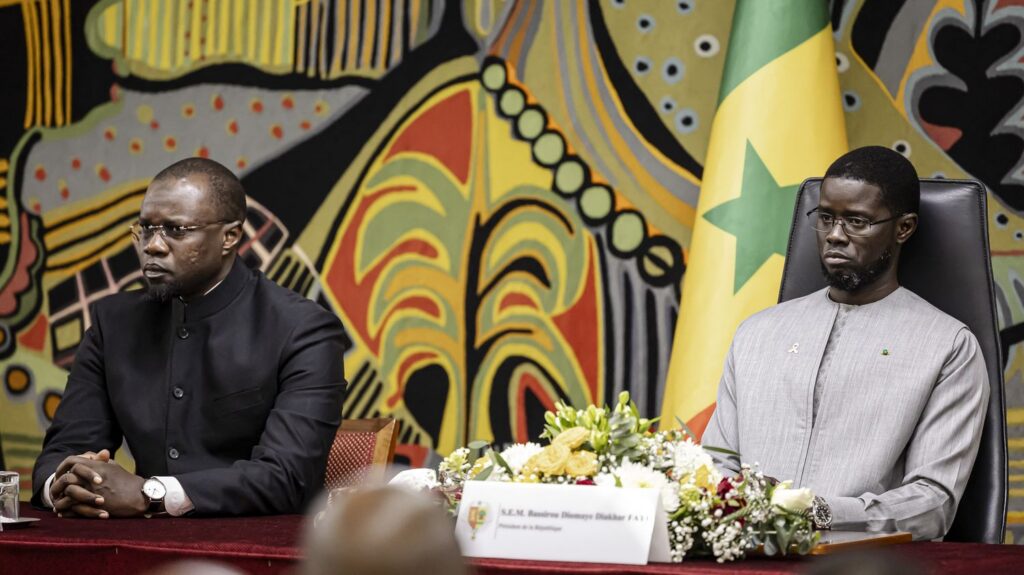
The political landscape in Dakar has shifted dramatically after President Bassirou Diomaye Faye dismissed Prime Minister Ousmane Sonko, a move that concludes months of escalating tensions between the two leaders who rose to power together in April 2024 on a wave of popular hope.
In a televised address delivered by the presidential office’s general secretary, the president announced the termination of Ousmane Sonko’s role as Prime Minister and, consequently, the dismissal of all ministers and junior ministers serving in the government. The outgoing administration has been instructed to manage only routine administrative tasks until a new Prime Minister is appointed. No details were provided regarding the selection of Sonko’s successor.
a relationship built on shared ambition, strained by power
The rift between President Faye and Prime Minister Sonko had been growing steadily since the former’s election. Once close allies and co-leaders of the opposition movement that challenged former president Macky Sall’s administration, their once-united front began to fracture as Sonko’s influence within the ruling party expanded.
Sonko, a prominent opposition figure barred from running in the 2024 presidential election due to a defamation conviction that stripped him of his civil rights, had initially backed Faye as his replacement in the race. However, early this month, President Faye publicly criticized what he described as the “excessive personalization” of power within the party by his Prime Minister. “As long as he remains Prime Minister, it’s because he enjoys my trust. When that is no longer the case, there will be a new Prime Minister,” the president declared in a televised interview.
sonko reacts with relief after dismissal
The announcement sparked an immediate response from Ousmane Sonko, who took to social media to express his reaction. “Alhamdoulillah. Tonight, I will sleep peacefully in the Keur Gorgui neighborhood of Dakar,” he wrote on his Facebook page, where he resides.
The dismissal marks a significant turning point for Senegal’s political trajectory, reshaping the balance of power within the ruling coalition and signaling a new chapter in the country’s governance.