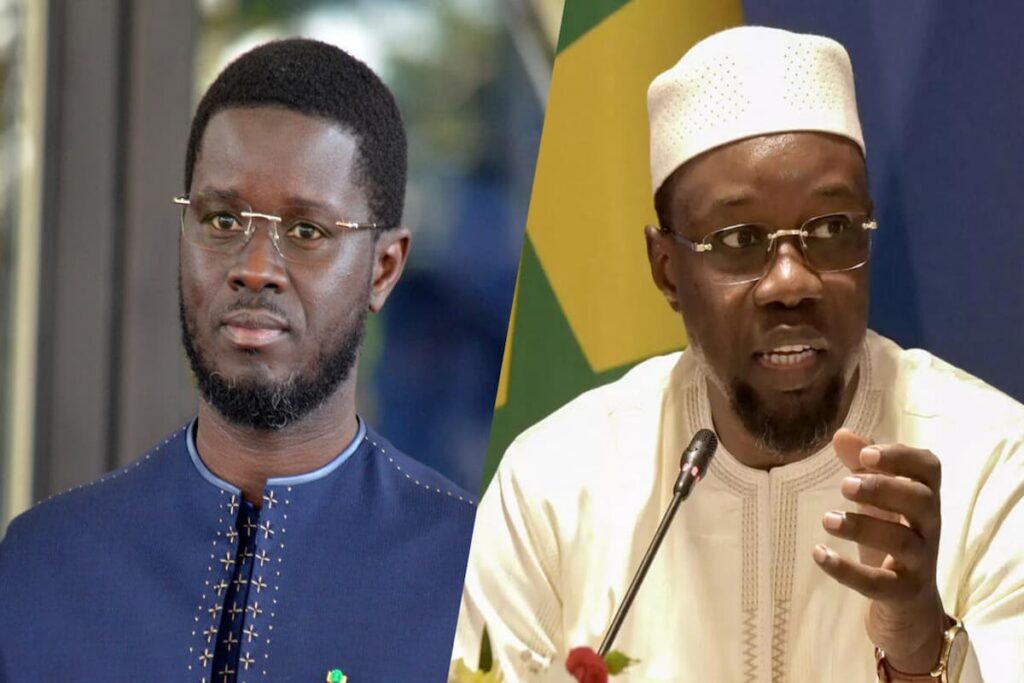
Senegal has witnessed an unprecedented political upheaval in recent weeks, one that has sent shockwaves through the nation’s political landscape. The alliance between Ousmane Sonko and Bassirou Diomaye Faye—once hailed as a historic partnership in Francophone West Africa—has collapsed under the weight of deepening disagreements. This alliance, which emerged as a formidable opposition front against former President Macky Sall in the 2024 elections, has now frayed beyond repair.
On May 22, 2026, just before 10 PM local time, Senegalese citizens were stunned by a televised address from the Palais de la République in Dakar. Oumar Samba Ba, Secretary-General of the Presidency, delivered a brief but decisive statement: Prime Minister Ousmane Sonko had been dismissed from his post, along with the entire cabinet. The decree, numbered 2026-1128, formalized the termination of Sonko’s mandate, effectively ending the careers of all government members, who were instructed to handle only routine matters until a new administration is formed.
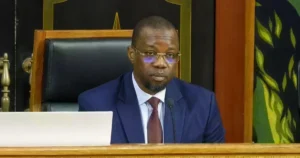
The announcement came barely hours after Sonko had stood before the National Assembly, where he firmly rejected any notion of blind obedience to the presidency. His words—”I am not a Prime Minister who obeys blindly or acquiesces to everything”—now carry bitter irony, as his dismissal followed soon after. In a defiant social media post shortly after the announcement, Sonko declared, “Tonight, I will sleep with a light heart.”
Tensions between the two leaders had been escalating for months, their ideological and strategic differences becoming impossible to ignore. Just weeks prior, Bassirou Diomaye Faye had openly hinted at the possibility of removing Sonko if trust eroded. “The Rubicon has been crossed tonight,” observers noted, as the dismissal confirmed the worst fears of political analysts who had warned of a fracturing alliance.
As Senegal braces for the fallout, questions loom over the future of its governance. With local elections not due until 2027 and the next presidential vote scheduled for 2029, the coming months will be critical in determining whether the country can stabilize or if further turbulence lies ahead.