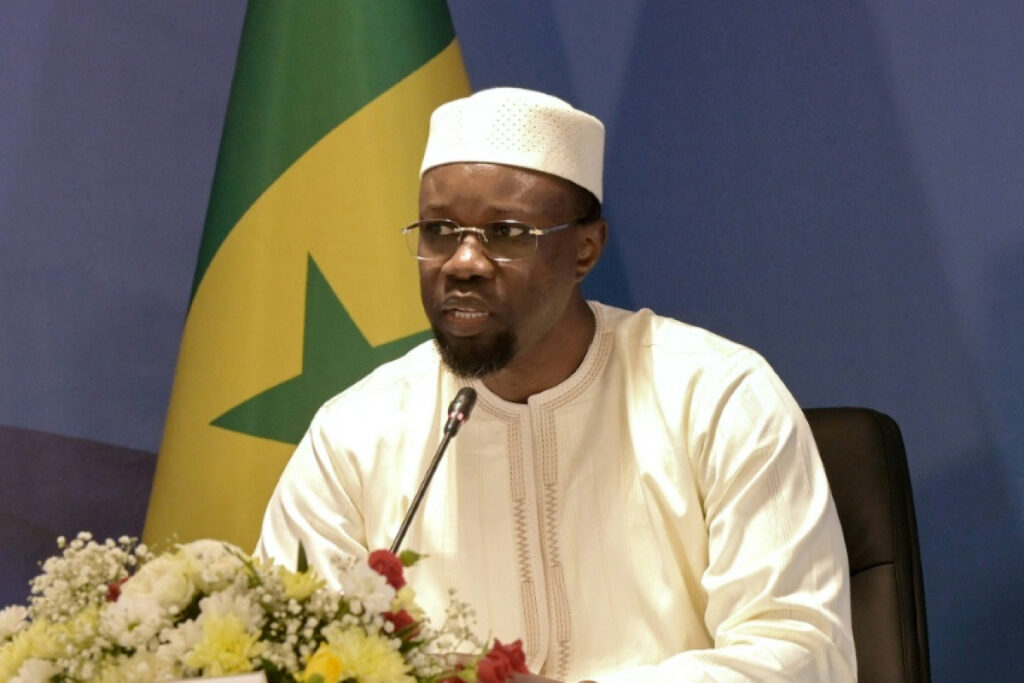
In a decisive move that has sent shockwaves through Senegal’s political landscape, President Bassirou Diomaye Faye has terminated the appointment of Prime Minister Ousmane Sonko and dismissed the entire government. The announcement, conveyed through a televised address by presidential secretary general Oumar Samba Ba, marked the culmination of months of deepening discord between the two leaders.
As outlined in the official decree, the outgoing Prime Minister and all cabinet members have been instructed to continue handling routine state affairs until a new administration is formed. The decision underscores the growing rift between President Faye and his former political mentor, Ousmane Sonko, whose once-close relationship had been instrumental in securing Faye’s path to the presidency.
Sonko’s rise to prominence stemmed from his relentless opposition to former President Macky Sall’s prolonged stay in power, culminating in mass protests in 2024. His advocacy for a third term for Sall sparked widespread unrest, leading to Sonko’s own disqualification from the presidential race due to a defamation conviction that stripped him of civic rights.
With a fiery panafricanist rhetoric, Sonko had galvanized Senegal’s disillusioned youth, positioning himself as a champion of change. His endorsement of Bassirou Diomaye Faye as a successor proved pivotal in the latter’s victory in February 2024. However, what began as a powerful alliance quickly eroded into visible tensions, with both figures locked in a battle of influence.
Sonko’s immediate reaction on Facebook reflected a sense of relief: “Alhamdoulillah. I will sleep peacefully tonight in the Keur Gorgui district of Dakar,” he wrote, referencing his residence. Social media erupted with scenes of jubilant supporters flocking to his home, chanting his name in defiance of the government’s decision.
The political divide has only widened in recent months, with Sonko’s party maintaining an overwhelming majority in the National Assembly following a landslide victory in the November 2024 legislative elections. This dominance has further complicated the already strained relationship between the presidency and the prime minister’s office.