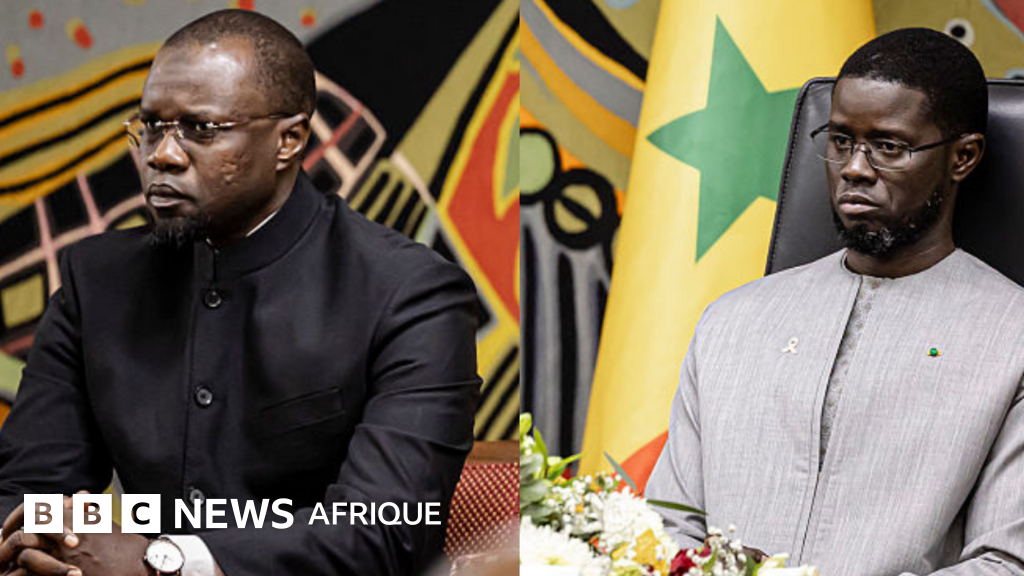
After the dismissal of Prime Minister Ousmane Sonko on May 22, 2026, the political alliance between him and President Bassirou Diomaye Faye has collapsed. The partnership, once symbolized by the campaign slogan « Diomaye mooy Sonko », had been the cornerstone of the PASTEF’s rise to power in 2024.
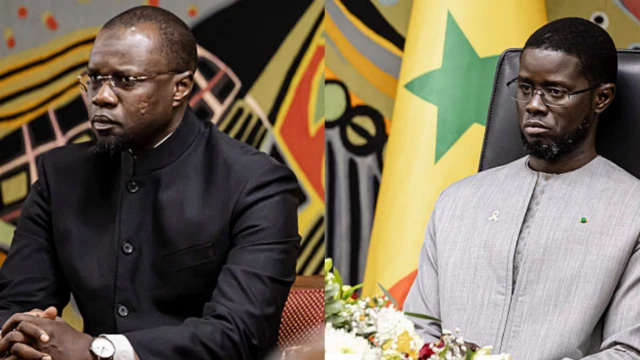
Photo credit: Getty Images
a dual-headed government under pressure
Political analysts agree that the rift between the two leaders had been building for months. The architect of the PASTEF’s 2024 victory, Ousmane Sonko, was initially barred from running in the presidential election due to legal issues. He then positioned Bassirou Diomaye Faye as his political successor, presenting him as the public face of their shared vision.
The 2024 election left the new president with a unique legitimacy: elected in Sonko’s absence, he lacked the latter’s grassroots appeal while inheriting the reins of power. This imbalance created a fragile arrangement from the start.
« The Senegalese Constitution grants the president a clear institutional primacy over the Prime Minister, » explains political scientist Maurice Soudieck Dione. « Yet the country found itself with a Prime Minister whose popularity and political influence rivaled the president’s. This duality was unsustainable. »
The analyst suggests an alternative path: « After the November 2024 legislative elections, Sonko could have taken the role of Assembly President while a technocratic Prime Minister handled day-to-day governance. This would have clarified responsibilities and avoided the current crisis. »
Instead, the presidency and the party leadership remained concentrated in two hands, setting the stage for an inevitable clash.
clashing ambitions and the 2029 question
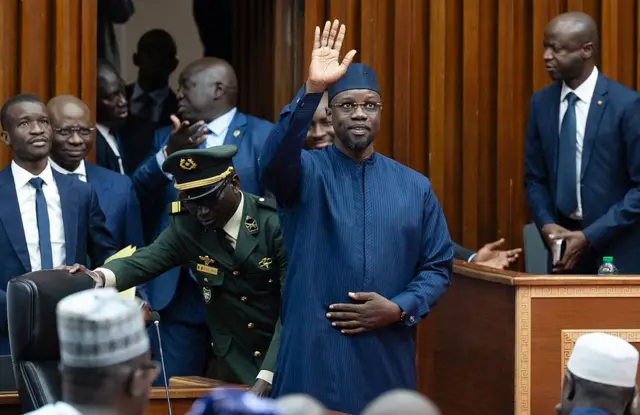
Photo credit: Getty Images
The growing differences between President Diomaye Faye and his former mentor surfaced in public statements on economic policy, governance, and international relations. The president warned against excessive personalization of the party, a thinly veiled critique of Sonko’s influence.
« There was a fundamental legitimacy conflict, » notes analyst Maurice Soudieck Dione. « President Faye held institutional legitimacy from the ballot box, while Sonko retained the militant and popular legitimacy of the PASTEF project. »
This rivalry intensified as both men positioned themselves for the 2029 presidential election. Sonko, as the party’s leader and architect of its legislative victory, commanded a substantial following. Faye, meanwhile, sought to assert his own political identity after years in Sonko’s shadow.
« Their long-term political calculations and internal power struggles created a diarchy that was bound to collapse, » the analyst concludes.
a split with far-reaching consequences
For Babacar Ndiaye, research director at the WATHI think tank, both leaders emerge weakened from the rupture. « The campaign slogan « Diomaye is Sonko and Sonko is Diomaye » has lost its credibility. Many supporters who believed in the duo will feel betrayed, » he warns.
Faye’s decision to dismiss Sonko is a strategic move to reclaim full executive control, but it carries significant risks. While the president holds the institutional levers of power, Sonko retains a critical asset: the PASTEF party apparatus and a parliamentary majority of 130 out of 165 seats.
« The president risks facing a hostile PASTEF majority in the Assembly, » Ndiaye cautions. « Sonko’s followers could block government bills, creating a constitutional crisis. »
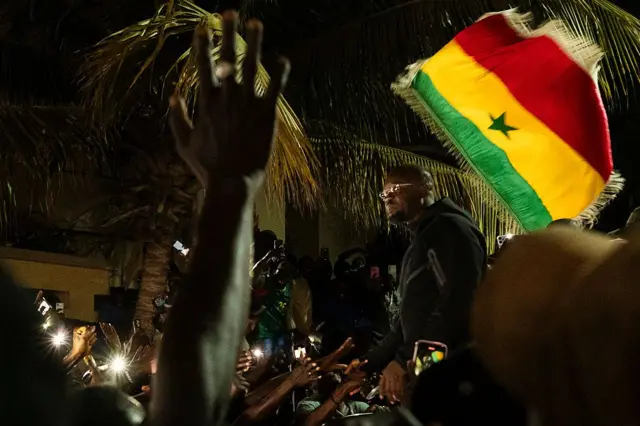
Photo credit: Getty Images
The president now faces the challenge of governing alone. His former Prime Minister, once a protective shield absorbing criticism, is now free to mobilize the party’s hardline base. Faye must build his own political identity without the narrative that once defined his legitimacy.
« The president’s coalition, though supportive, remains loosely structured, » Ndiaye observes. « Without a clear parliamentary majority, his ability to implement reforms and face upcoming local elections will be severely tested. »
looming institutional confrontation
With the PASTEF majority in the Assembly, the next legislative tests could quickly escalate into open conflict. Analysts warn that the dismissal of Sonko may trigger a constitutional crisis if the Assembly blocks key bills or if Faye dissolves Parliament—a move legally possible only after November 2026.
Maurice Soudieck Dione warns of a possible « internal opposition within the PASTEF itself. » Sonko, with his parliamentary base, could become the nucleus of a rival faction, complicating governance and posing a direct threat to Faye’s agenda.
« If the presidential majority and the parliamentary majority diverge, legislative paralysis could set in, » he explains. « This would destabilize the government and risk derailing the entire presidential term. »
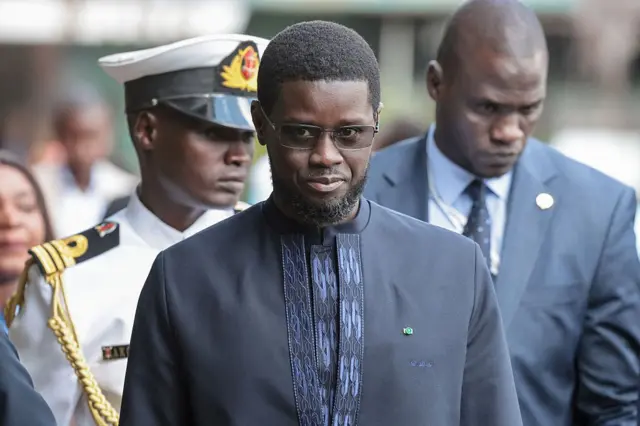
Photo credit: AFP via Getty Images
For Sonko, the dismissal may paradoxically offer new political opportunities. Freed from executive constraints, he could reposition himself as an internal critic or prepare a 2029 presidential bid. Analysts warn that the party could fracture if he chooses confrontation, or realign under a new populist-sovereignist bloc.
« Sonko now has the freedom to define his own political future, » Ndiaye notes. « Whether he becomes an opposition figure or a presidential candidate, his influence within the PASTEF remains decisive. »
As Senegal braces for local elections and potential legislative turbulence, one thing is clear: the Sonko-Diomaye split has shattered the political equilibrium of 2024. The next chapter will determine whether the PASTEF can survive the fracture—or whether a new political landscape emerges in Dakar.