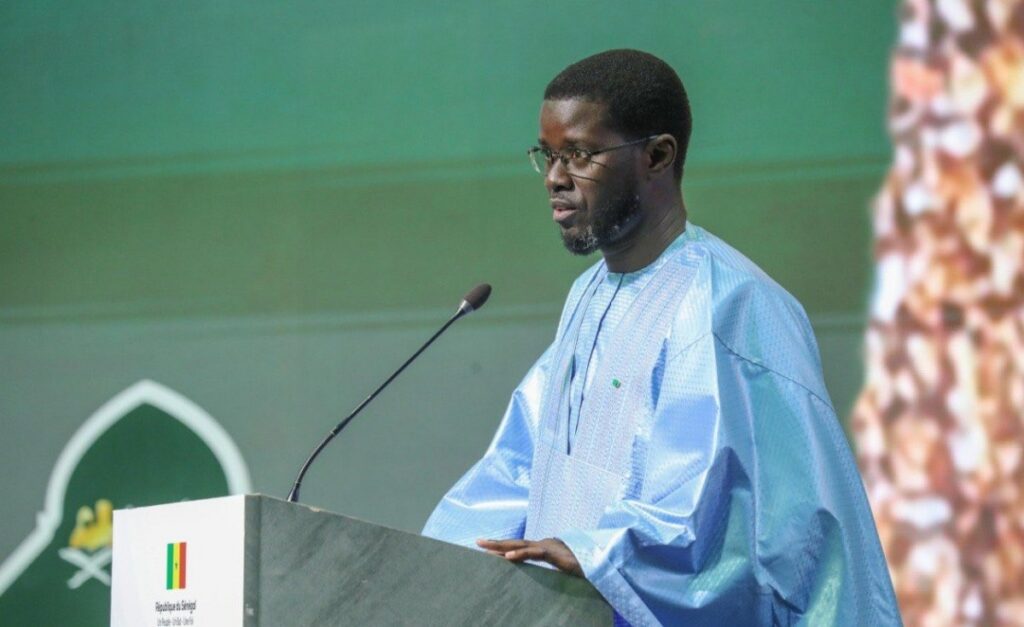
The rift between Senegalese President Diomaye Faye and his former prime minister, Ousmane Sonko, appears irreversible. With the president set to establish his own political party in the coming days, the fracture within the Patriotic Africans of Senegal for Work, Ethics and Fraternity (PASTEF) seems final.
Despite holding significant influence—backed by over 300 mayors out of nearly 600 nationwide and the full weight of state resources—Faye’s ambitions face uncertainty. The recent government reshuffle has already revealed the limits of his control within PASTEF, raising doubts about his ability to consolidate power as planned.
political calculations and internal power struggles
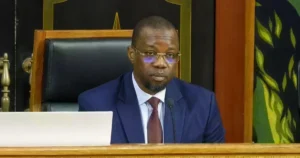
The president’s decision to launch a new party reflects a calculated move, especially as Sonko, now Speaker of the National Assembly, holds greater sway over PASTEF. Legislative reforms further restrict Faye’s options, including a ban on party leadership for sitting presidents. This dynamic underscores the growing divide between the two leaders, whose rivalry threatens to destabilize the party.
While Faye and Sonko prioritize their political contest, Senegalese citizens risk seeing their priorities deferred indefinitely. The escalating conflict risks weakening PASTEF, not only by deepening internal divisions but also by potentially benefiting opposition forces. Observers warn that prolonged instability could embolden a third political figure to emerge as a unifying alternative in the next presidential election.
economic and democratic consequences loom
The standoff between Faye and Sonko extends beyond personal animosity, posing broader risks to Senegal’s political and economic stability. A prolonged crisis could trigger the dissolution of the National Assembly and necessitate early elections—an expensive prospect for a nation already grappling with economic challenges. The resulting instability may push the country, long celebrated as a regional democratic model, into deeper turmoil.
Rather than addressing the needs of the Senegalese people, the two leaders risk squandering public trust. Their failure to bridge differences has already eroded confidence, with many questioning whether the country is sliding toward a de facto cohabitation. If they wish to salvage their legacies, both Faye and Sonko must act swiftly to prevent further damage to Senegal’s democratic standing and economic outlook.