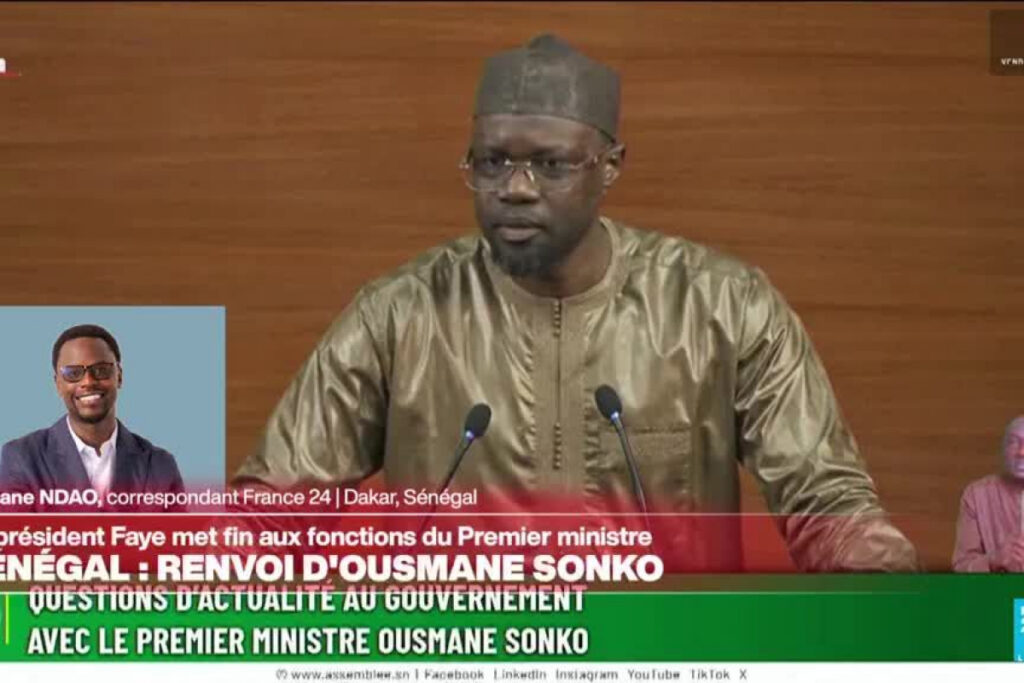
Sénégal’s President Bassirou Diomaye Faye dismisses Prime Minister Ousmane Sonko
In a decisive move that has reshaped the political landscape of Sénégal, President Bassirou Diomaye Faye issued a decree late Friday evening, terminating the mandates of his Prime Minister—Ousmane Sonko—as well as the entire government. The decision follows months of escalating tensions between the two leaders, marking a significant shift in the nation’s governance.
The announcement, made through an official decree, underscores the gravity of the situation and signals a potential new direction for Sénégal’s political trajectory. Observers closely monitoring the developments suggest that this decisive action may reflect broader strategic shifts within the government.
While the exact reasons behind the dismissal remain under discussion among political analysts, the move has sparked widespread debate about the future of Sénégal’s leadership and policy direction. The implications of this decision are expected to unfold in the coming weeks, with many awaiting further official statements.
What happens next?
The sudden change in leadership raises several key questions about the immediate future of Sénégal’s government. With the Prime Minister and cabinet no longer in office, attention now turns to the next steps the President will take to stabilize the administration and restore confidence in the political process.
Political observers anticipate that President Faye may soon appoint a new Prime Minister to steer the country through this transitional period. The selection of a successor will likely be closely scrutinized, as it could signal the administration’s priorities moving forward.
In the meantime, Sénégal’s citizens and international partners will be watching closely to understand how this leadership change will impact the nation’s domestic policies and its role on the global stage.