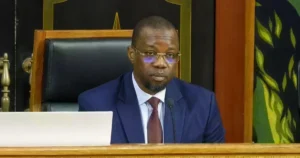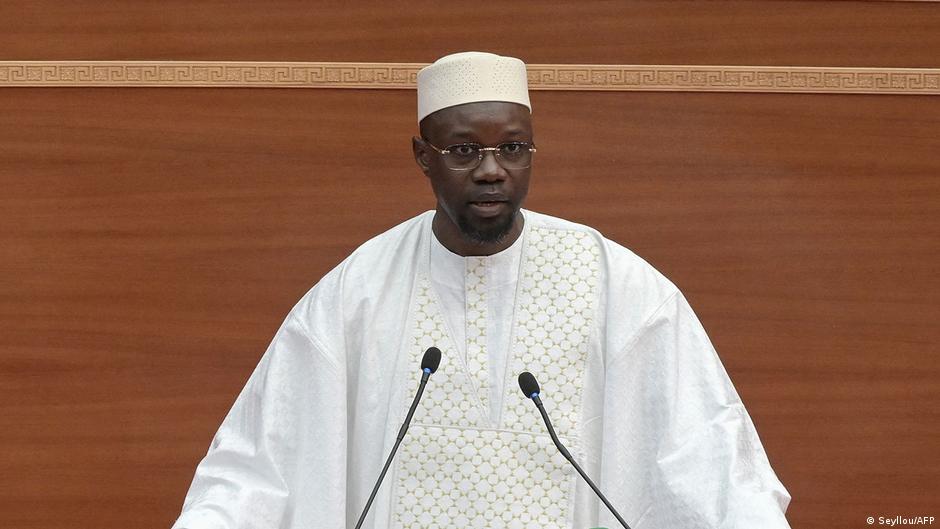
In a dramatic turn of events at the National Assembly in Dakar, Senegalese lawmakers will convene today to address two critical issues: the potential reinstatement of opposition leader Ousmane Sonko as a deputy and the election of a new parliamentary president. The move comes amid fierce political tensions after the president’s decision to dismiss Sonko from his role as prime minister.
Supporters of the Pastef-Les Patriotes party gathered outside Sonko’s residence in the Keur Gorgui district, chanting his name in solidarity. One activist, Nourdine Diallo, expressed deep disappointment over the rift between President Bassirou Diomaye Faye and Sonko, a partnership he had fiercely championed during the election campaign.
“It was devastating to learn that the president removed the prime minister. We campaigned under the slogan ‘Diomaye is Sonko, Sonko is Diomaye’—it wasn’t just words. It was a lived reality we promised to the Senegalese people. We told them they were brothers, sharing ties of party, ideology, and governance.”
institutional clash looms over sonko’s parliamentary future
The dismissal of Ousmane Sonko as prime minister followed his sharp criticism of government policies during a parliamentary session. The upcoming vote will determine whether he reclaims his seat as a deputy, vacated when he assumed the premiership.
Political analyst Malao Kanté warns of escalating institutional conflict, suggesting the confrontation could destabilize governance:
“Ousmane Sonko embodies a new face of opposition, yet his party now controls parliament. This creates a high-risk scenario. A no-confidence motion against the next prime minister could paralyze the state’s operations and plunge the country into administrative gridlock.”
opposition accuses government of constitutional overreach
The political landscape remains volatile. Adama Fall, a senior figure in Pastef-Les Patriotes, framed the crisis within Senegal’s historical struggles for power:
“History has shown the dangers of personal rivalries in leadership—whether in Burkina Faso, the Congo, or even Senegal’s own past under Mamadou Dia and Léopold Sédar Senghor. But this generation is different. We are not doomed to repeat past mistakes. This moment will define a new path forward.”
Meanwhile, the opposition has intensified its resistance. Several high-ranking party officials resigned in protest, and the parliamentary group Takuu Walu convened an emergency meeting to challenge the validity of El Hadj Malick Ndiaye’s resignation as assembly president. They argue the resignation violated internal rules and constitutes an illegal maneuver.
Aïssata Tall Sall, leader of the opposition bloc, has urged President Bassirou Diomaye Faye to refer the reinstatement matter to the Constitutional Council, labeling it a “constitutional coup.” She cautioned that if no action is taken, Sonko could target the presidency next.
The president responded swiftly, appointing former central bank executive Ahmadou Al Aminou Mohamed Lô as the new prime minister. Lô, a former minister and central banker, emphasized the nation’s critical juncture and called for national unity.