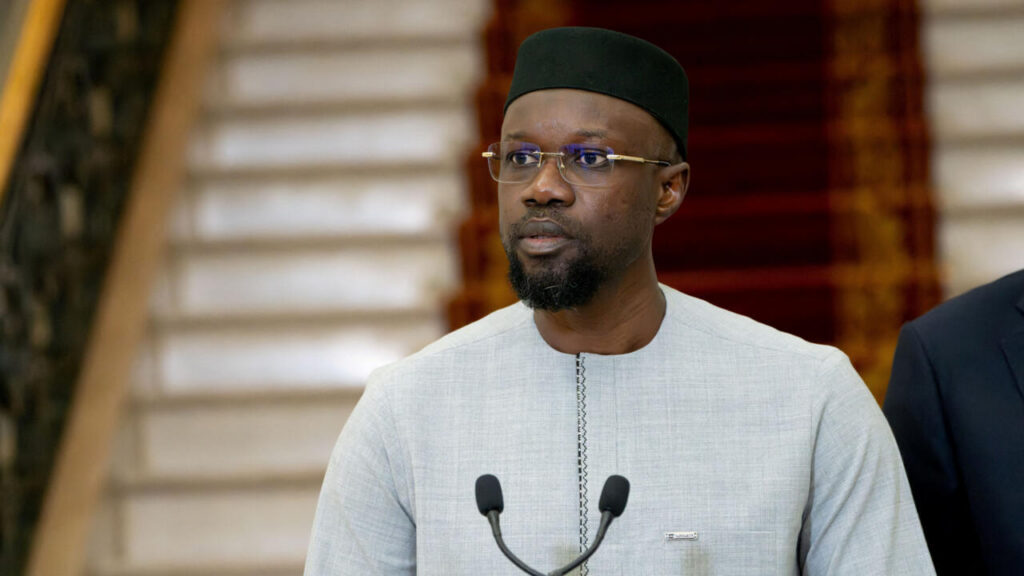
A decisive day ahead for Senegal’s political landscape
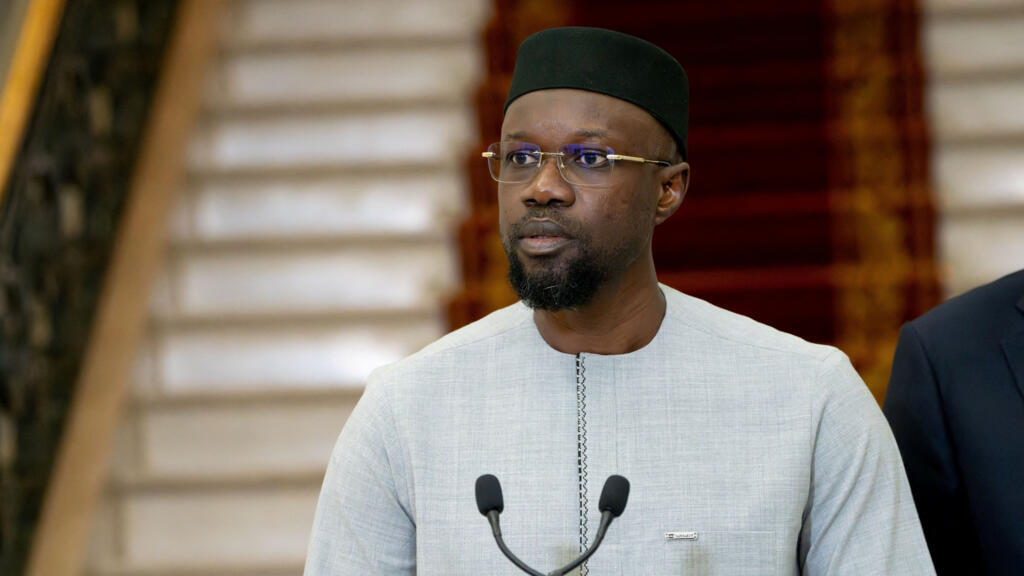
Senegal awakens today to a reshuffled political deck. Two pivotal positions are set to be filled: the Prime Minister and the President of the National Assembly. The nation’s leadership dynamics are poised for transformation.
A technocrat at the helm of government
After the departure of Ousmane Sonko, the presidency has appointed Ahmadou Al Aminou Mohamed Lo as the new head of government. Previously serving as Minister of the National Agenda for Senegal 2050, Lo is widely recognized for his expertise in financial and monetary affairs, both domestically and internationally.
Described by local observers as “a technician leading the executive branch,” Lo’s appointment signals a strategic choice. His deep understanding of macroeconomics, banking regulation, financial markets, and Islamic finance positions him as a key figure in navigating Senegal’s current economic challenges while advancing ambitious reforms.
Sonko’s return: a gamble for legislative control
The National Assembly convenes today to vote on two critical issues: the reinstatement of Ousmane Sonko as a deputy and the election of a new president for the legislative body. The opposition party, Pastef, is pushing for Sonko’s return to parliament, where he could assume the presidency of the Assembly.
With Pastef holding a 130-seat majority in the 165-member Assembly, the move could create a rare cohabitation scenario. This would place President Bassirou Diomaye Faye in the delicate position of sharing power with a legislative majority aligned with his political rival.
However, legal uncertainties loom. Some jurists argue that Sonko’s reinstatement as a deputy is not legally valid, as Senegalese law typically considers the replacement by a substitute permanent for the duration of the legislature. The day’s proceedings promise to be contentious.
2029: the shadow of the next presidential election
As these changes unfold, attention is already shifting toward the 2029 presidential election. Sonko’s ambitions appear undiminished, and his party has begun reforming the electoral framework, potentially removing barriers that prevented his candidacy in 2024.
But the question remains: will Sonko wait until 2029, or will he seek to accelerate the political timeline by reshaping the balance of power? The outcome could have profound implications for Senegal’s stability. As observers note, when two competing legitimacies emerge from the same political bloc, the risk of permanent confrontation looms large. Once considered a bastion of stability in a turbulent region, Senegal may now face a period of heightened uncertainty.
The formation of the new government will further test these dynamics. Will the cabinet be composed predominantly of Pastef members loyal to Sonko, or will it reflect the president’s own circle? Some speculate that Faye might even consider dissolving the Assembly, a high-stakes move that could either consolidate his power or backfire if Pastef re-emerges stronger.