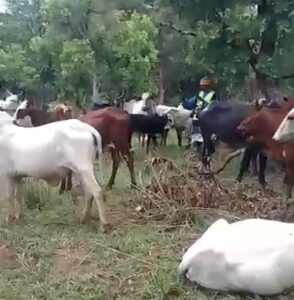
what happened in ndele’s cattle corridors
In the Ndele region of the Central African Republic’s Bamingui-Bangoran prefecture, a joint operation involving Russian mercenaries and local armed forces has escalated into a crisis for local livestock herders. Reports from the ground indicate that what began as a security initiative has allegedly turned into systematic cattle seizures, leaving pastoral communities in distress.
the unfolding of events
Eyewitness accounts describe the situation as a sudden and violent disruption of long-standing pastoral practices. Traditionally, cattle herding has been a vital economic activity for communities across Ndele, with families relying on livestock for income and food security. However, recent operations—purportedly aimed at curbing rebel activity—have reportedly resulted in the forced confiscation of hundreds of cattle, with herders claiming no prior warning or legal justification was provided.
responses from affected communities
Local herders and community leaders have expressed outrage over the incidents, describing them as outright theft rather than legitimate security measures. Many allege that the confiscations occurred without compensation or due process, exacerbating tensions in an already fragile region. Some residents have begun organizing to demand restitution and transparency from authorities.
government and military stance
Officials have not yet issued a formal response to the allegations. Meanwhile, military sources suggest that operations in the area remain focused on neutralizing armed groups, though concerns persist about collateral impact on civilians. The involvement of foreign mercenaries in domestic security operations has also sparked broader debates about accountability and oversight.
what’s next for ndele’s herders
As the controversy grows, pastoralists in Ndele face an uncertain future. Without clear communication from authorities or mechanisms to address grievances, the risk of further clashes—or even retaliatory actions—remains high. Community leaders are calling for immediate dialogue to prevent the situation from escalating into a larger humanitarian or security crisis.