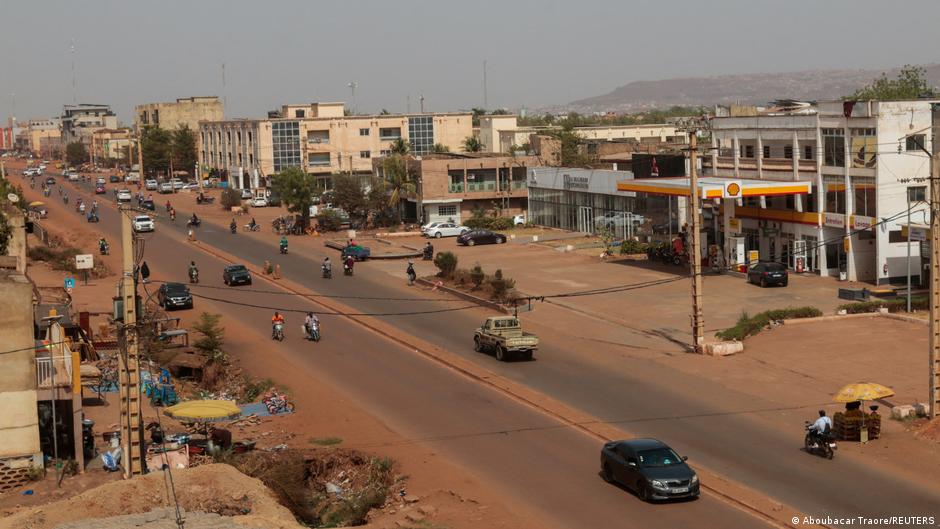
As the Group for Support of Islam and Muslims (JNIM) tightens its stranglehold on Bamako with a road blockade, civilians in Mali’s central and northern regions face escalating hardships from ongoing insurgent attacks. The capital, heavily reliant on overland imports, has been cut off from critical supply routes for nearly two weeks, leaving markets starved of essential goods.
Amnesty International has issued an urgent call for the jihadist coalition to halt its campaign and restore safe passage for civilians. The organization warns that the blockade is inflicting unacceptable suffering on residents, jeopardizing their access to food, medical care, and basic freedoms.
“The current siege of Bamako has dire consequences for freedom of movement and could lead to severe violations of the population’s rights to food security, health, and life,” the rights group stated in a statement released Friday.
Amnesty also condemned a recent attack on a civilian convoy transporting goods—including fresh produce—between Bamako and Bougouni. The trucks, unescorted by military forces, carried no weapons or personnel, making them legitimate targets under international humanitarian law.
military escalation in Kidal as tensions rise
In response, the Malian Armed Forces have announced intensified airstrikes targeting Kidal, a city under the control of Tuareg separatists from the Azawad Liberation Front (FLA) and their JNIM allies since late April. Military officials claim to have conducted multiple strikes on the city, while separatist leaders report holding 200 Malian soldiers captive following clashes on April 25.
A resident of Kidal described deteriorating conditions, citing frequent power outages and near-total disruption of telecommunications with other northern cities. The breakdown in infrastructure has left locals in limbo, struggling to discern truth from propaganda amid conflicting narratives.
In Gao, another northern stronghold under government control, residents face soaring food prices, with the cost of onions doubling overnight. “We’re told to trust official statements,” one resident shared, reflecting the pervasive climate of distrust.
central Mali: a growing jihadist stronghold
The security crisis extends beyond the north, with JNIM establishing de facto control over key areas in the Ségou and Koulikoro regions, particularly along the left bank of the Niger River. Government presence in these zones has effectively vanished, replaced by jihadist enforcement of zakat (religious tax) and the closure of hundreds of schools.
According to local analysts, both the Malian military and armed groups are in a phase of strategic recalibration—reorganizing, rearming, and observing one another’s moves. “The government and military regime appear poised for a decisive response,” noted one observer. “Meanwhile, JNIM and the FLA are preparing for potential military offensives, leaving civilians caught in the crossfire.”
Experts emphasize that sustainable peace in Mali hinges on inclusive dialogue. “The current crisis transcends security—it’s a political failure,” stated Ahmed Ould Abdallah of the 4S Center. “The Malian government must open negotiations with all stakeholders to break the cycle of violence.”
While Bamako officially rejects talks with groups it labels as terrorists, clandestine negotiations have reportedly occurred to ensure fuel supplies, highlighting the paradox of engaging with adversaries to stabilize the country.