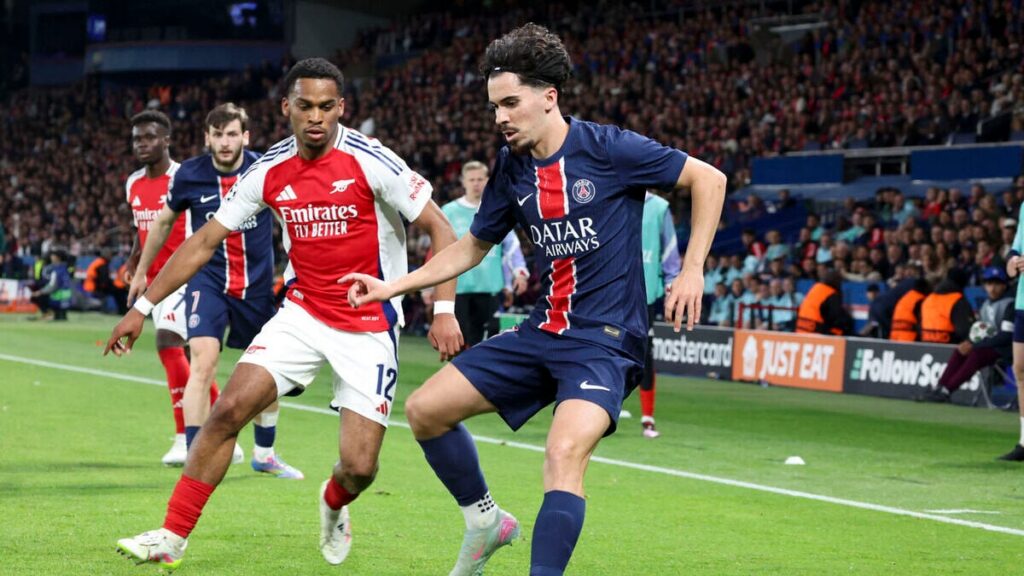
Football enthusiasts worldwide are buzzing with anticipation as the highly awaited 2026 UEFA Champions League final approaches. Set to unfold on Saturday, May 30, 2026, in the vibrant city of Budapest, this year’s showdown will pit Paris Saint-Germain against Arsenal FC. Not only does this clash promise high-stakes drama on the pitch, but the match’s unique scheduling at 6:00 PM local time has also sparked widespread discussion among fans and analysts alike.
From historic roots to modern glory: the evolution of Europe’s premier club competition
Since its inception in 1955—originally titled the European Champion Clubs’ Cup—the UEFA Champions League has grown into the most prestigious club football tournament globally. The competition’s final has long been a pinnacle event, drawing millions of viewers and capturing the imagination of sports fans across continents. This season’s climax in Budapest will see PSG, the reigning champions, defend their title in a bid to secure back-to-back victories.
Logistics and fan experience drive UEFA’s strategic timing shift
UEFA recently announced a significant change for all future Champions League finals, moving the kickoff from the traditional 9:00 PM slot to an earlier 6:00 PM start. Effective immediately, this adjustment aims to address multiple challenges tied to the grueling demands on players and the logistical hurdles of hosting a major event.
For participating teams, the decision ensures athletes have a more manageable recovery window before potentially transitioning to the FIFA World Cup later in the year. Organizers also highlight how an earlier start will ease stadium operations, from crowd management to broadcast logistics, ensuring a smoother experience for all involved.
Crucially, this new timing is designed with supporters in mind. Fans traveling to Budapest will benefit from extended travel flexibility post-match, reducing the pressure of late-night journeys. UEFA also anticipates a boost in local economic activity, as spectators enjoy extended opportunities to celebrate—or commiserate—over meals and drinks at nearby establishments.
Why a prime-time audience matters for broadcasters and advertisers
The shift to a 6:00 PM kickoff also aligns with broader audience engagement strategies. Broadcasters stand to gain a more family-friendly viewership demographic earlier in the evening, while Asian audiences will enjoy a more convenient viewing schedule without late-night fatigue. In France, the match will air on Canal+, with an additional free-to-air broadcast on M6, following the latter’s record-breaking success in airing PSG’s historic 2025 final triumph.
During last year’s final, M6 delivered an exceptional audience performance, averaging 8.67 million viewers—a 39.9% share among individuals aged four and above, and a remarkable 48.8% among women under 50 responsible for purchasing decisions. The broadcast peaked at 10.3 million viewers around 10:47 PM, underscoring the immense public interest in top-tier football events.